
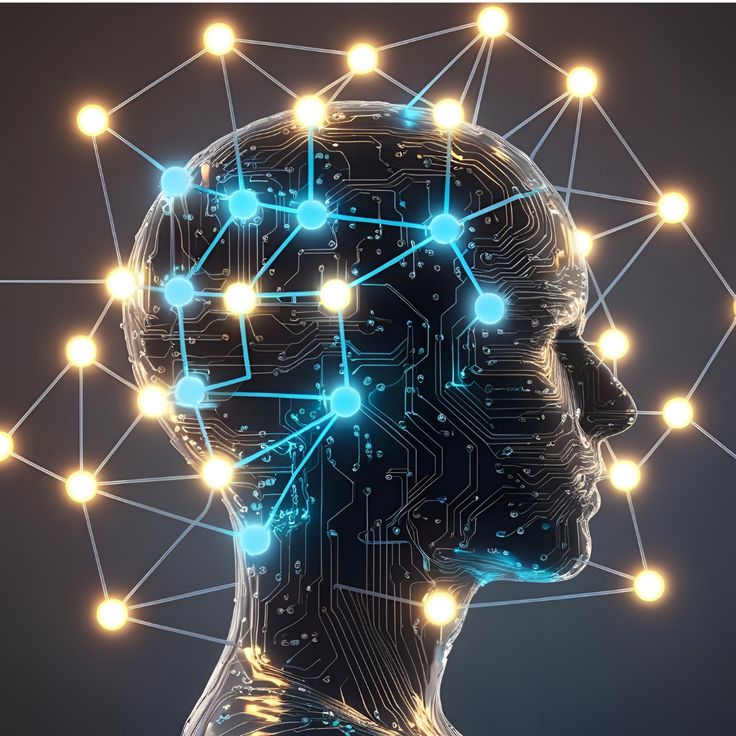
Are you wondering what a neural network is and how it learns? If so, your search ends here. Abuja Data School is Nigeria’s top live AI training centre. This guide explains neural networks in plain English no heavy maths, no confusing diagrams. By the end, you will know exactly what a neural network is, how it learns, where it gets used in Nigeria, and what it takes to build one.
So, this guide covers the core idea, the structure of a neural network, how learning happens, the most common types, real Nigerian examples, and how to start building neural networks at Abuja Data School. In addition, it maps neural network careers to Nigerian salary bands. As a result, you will have a clear, honest view of one of the most powerful tools in the Nigerian AI landscape.

What Is a Neural Network? The Core Idea
A neural network is a type of machine learning model that draws loose inspiration from how the human brain works. In fact, the brain is made of billions of neurons. Each neuron connects to others and passes signals. Also, the network learns by adjusting the strength of those connections over time.
In short, a computer neural network works the same way. It is made of layers of simple computing units called nodes (or artificial neurons). Each node takes in numbers, applies simple maths, and passes the result to the next layer. Moreover, the network learns by adjusting the strength of connections between nodes until its outputs match the right answers.
In short, a neural network is a set of connected computing units that learn from data by adjusting how strongly they pass signals to each other.
The Structure of a Neural Network
The 3 Types of Layers
Every neural network has three types of layers. Here is what each one does:
- Input layer: Takes in the raw data. For a Nigerian loan model, for example, the input layer might receive loan amount, income, age, location, and employment type as numbers.
- Hidden layers: One or more layers sit between input and output. Each hidden layer finds more complex patterns in the data the previous layer passed to it. Also, a network with many hidden layers is called a “deep” network, hence the term “deep learning.”
- Output layer: Produces the final result. For a fraud detection model, for instance, the output might be a single number between 0 and 1: the probability that a transaction is fraud.
What Is a Node?
Also, each node in a neural network does one simple job. It takes in several numbers the outputs of the previous layer multiplies each one by a weight, adds them all up, adds a bias value, and passes the result through an activation step. The activation step decides whether and how strongly the node “fires” its signal to the next layer.
Furthermore, the most common activation steps are ReLU (which simply cuts off negative values) and sigmoid (which squashes values to between 0 and 1). In short, a node is a very simple calculator. The power of a neural network comes from connecting millions of these simple calculators.
How Does a Neural Network Learn?
Learning in a neural network happens in three stages: forward pass, loss maths, and backprop. Here is how each stage works in plain English:
Stage 1: The Forward Pass
First, data flows into the input layer. It moves forward through each hidden layer, transforming at every node. The output layer then produces a prediction. For example, a Nigerian fraud detection network receives a transaction and outputs 0.87, an 87% chance of fraud.
Stage 2: Calculate the Loss
Next, the prediction is compared to the correct answer. If the transaction was real fraud and the model predicted 0.87, the error is small. A prediction of 0.12 means the error is large, and a loss function calculates that error. In short, the loss function measures how wrong the model’s prediction was.
Stage 3: Backpropagation
Finally, the error travels backwards through the network layer by layer. The algorithm adjusts each connection weight slightly to reduce the error. Specifically, gradient descent finds the direction that reduces the error most efficiently.
Moreover, this process forward pass, loss maths, backprop repeats millions of times on thousands of training examples. Each round is called an epoch. After many epochs, the weights settle into values that make the network’s predictions very accurate. In short, neural networks learn by repeatedly making predictions, measuring errors, and adjusting weights to be less wrong next time.
A Nigerian Market Analogy for Neural Networks
Think of a neural network as a Kano market price negotiation. A buyer (input) comes in with a request. Several middlemen (hidden layers) pass the request through their own filters and maths. By the time it reaches the seller (output), the final price reflects the combined adjustments of every middleman.
Now imagine each middleman adjusts how strongly they pass information based on past deals that worked out well. Over time, the network of middlemen learns which adjustments lead to the best outcomes. In short, the market network learns from experience, just like a neural network.
Common Types of Neural Network
| Type | Full Name | Best For | Nigerian Use Case |
| FNN | Feedforward Neural Network | Tabular data, basic classification | Loan default, churn, customer scoring |
| CNN | Convolutional Neural Network | Images, spatial data | Crop disease from farm photos, ID document OCR |
| RNN | Recurrent Neural Network | Sequences, time series | Transaction sequence fraud, sales forecasting |
| LSTM | Long Short-Term Memory | Long sequences, text | NLP chatbots, document analysis |
| Transformer | Transformer Network | Text, language, long context | LLMs: ChatGPT, Claude, Gemini |
| Autoencoder | Autoencoder | Anomaly detection, compression | Nigerian bank anomaly detection, data compression |
Where Neural Networks Are Used in Nigeria Right Now
- Nigerian fintech: Deep learning fraud detection runs at Flutterwave and Paystack. Also, transaction sequences feed LSTMs that catch fraud patterns simpler ML models miss.
- Nigerian healthcare: CNN models analyse chest X-rays and skin photos at Abuja clinics that lack specialist radiologists. Consequently, clinics in underserved areas gain diagnostic support they could not afford before.
- Agriculture: Nigerian AgTech startups use CNNs to detect crop diseases from farm phone photos. Farmers upload a photo and, as a result, get a diagnosis in seconds.
- NLP and chatbots: Nigerian banks and NGOs use transformer-based NLP models to power customer service chatbots in English and local languages. In short, neural networks bring 24-hour support to millions of Nigerian customers.
- Credit scoring: Some Nigerian fintechs use deep feedforward networks to score creditworthiness from mobile and behavioural data. Moreover, these models reach underbanked Nigerians that traditional credit bureaus miss.
- Media and content: Nigerian media houses and content agencies use generative neural networks, diffusion models, and GANs for image and audio creation.
Neural Networks vs Traditional ML: When to Use Which
| Situation | Use Traditional ML | Use Neural Networks |
| Data size | Small to medium (thousands of rows) | Large (hundreds of thousands or more) |
| Data type | Tabular (rows and columns) | Images, audio, text, or video |
| Interpretability | High priority (banking, NGO reporting) | Lower priority (fraud detection, NLP) |
| Compute resources | Low (can run on a laptop) | High (needs GPU or cloud compute) |
| Training time | Fast (seconds to minutes) | Slow (hours to days for large models) |
| Nigerian example | Loan scoring, churn, NGO data | Fraud NLP, medical image, chatbot |
Generally, use traditional ML (scikit-learn) for most Nigerian business problems. In short, move to neural networks when your data is large and complex, especially for images, text, or long sequences.
Free Resource: 3Blue1Brown Neural Networks Series
In addition to Abuja Data School’s live training, Abuja Data School recommends the 3Blue1Brown Neural Networks YouTube series as the best free visual guide to how neural networks learn. This free series uses clear animations to explain layers, weights, activation steps, gradient descent, and backprop step by step. Also, no prior deep learning knowledge is needed. Moreover, the four-episode series takes under two hours to watch in full. As a result, any Nigerian who watches it will have a strong grasp of how a neural network learns before writing a single line of code.
Use that series to build your intuition, and use Abuja Data School to build your hands-on skills with real Nigerian deep learning projects, live instruction, and a career-linked GitHub portfolio. Together, they give any Nigerian the clearest path to a deep learning career.
How to Learn Neural Networks at Abuja Data School
Abuja Data School’s Deep Learning and Neural Networks course covers neural network structure, forward and backward passes, gradient descent, and the major network types: FNNs, CNNs, RNNs, and transformers. Every session is live and project-based. Also, students build real neural network models using TensorFlow and Keras on real Nigerian data sets. Every project is pushed to GitHub.
The entry point is the ML Foundations course (or similar experience). Here is the full deep learning path at Abuja Data School:
- Step 1: Python for AI: Learn Python and pandas.
- Step 2: ML Foundations: Master supervised and unsupervised ML with scikit-learn.
- Step 3: Deep Learning and Neural Networks: Build FNNs, CNNs, and RNNs with TensorFlow.
- Step 4: NLP or Computer Vision: Specialise in the highest-pay deep learning niches.
To enrol, visit the Abuja Data School Data Analysis page.
Frequently Asked Questions: Neural Networks
Q1: Do Neural Networks Always Beat Traditional ML?
No. For most Nigerian business problems with tabular data, random forests and XGBoost beat neural networks. However, neural networks shine on images, audio, text, and large, complex data. In short, always try simpler ML models first. Switch to neural networks when simpler models hit a ceiling.
Q2: How Much Data Does a Neural Network Need?
More than traditional ML. A basic neural network on tabular data needs at least 10,000 rows. Specifically, CNN and RNN models need hundreds of thousands to millions of examples for strong results. Also, small Nigerian data sets often produce better results with random forests or XGBoost than with neural networks. In short, match your model complexity to your data size.
Q3: Can I Train a Neural Network on My Laptop?
Yes, for small models. Google Colab provides free GPU access strong enough for most learning projects. Furthermore, large production models require cloud compute (AWS, GCP, or Azure). In short, start on Google Colab. Move to cloud compute when your model and data grow beyond what Colab handles.
Q4: What Is the Difference Between a Neural Network and Deep Learning?
In short, deep learning is machine learning that uses neural networks with many hidden layers. All deep learning uses neural networks. However, a neural network with just one hidden layer is not typically called deep learning. Overall, deep learning is neural networks with depth.
Neural Networks Are Learnable. Start at Abuja Data School
Ultimately, neural networks are not magic. They are learnable tools built from simple maths that any Nigerian with Python skills can master. The intuition is clear. The code is accessible. The career rewards are real: NLP and deep learning engineers are among the highest-paid AI workers in Nigeria and globally.
Whether you want to build chatbots for Nigerian banks, image tools for Nigerian healthcare, or fraud detectors for Nigerian fintechs, neural networks are the right tool. Indeed, Abuja Data School gives you the live training, real Nigerian data, and career links to make it happen.
Build Your First Neural Network at Abuja Data School Today
To that end, take your next step today. Visit the Abuja Data School Data Analysis page and pick the right course for your current level. As a result, your first neural network, your first deep learning project, and your highest-ever Nigerian AI salary are just one enrolment at Abuja Data School away.