
prompt-engineering-in-generative-ai-7369826526166710_m

Generative AI and Prompt Engineering Training in Abuja

vbiulwrpbk5oc8eni7ot.

Are you looking for Generative AI and Prompt Engineering training in Abuja? If so, your search ends here. Indeed, Generative AI is the most transformative technology of this decade. Abuja Data School is the FCT’s leading provider of practical, career-ready Generative AI and Prompt Engineering training. Furthermore, every lesson connects to real Nigerian business challenges and Abuja-specific career opportunities. That is why you learn the exact AI skills that Abuja employers, organisations, and global firms need and pay for right now.

So, this guide covers everything you need to know about Generative AI and Prompt Engineering training in Abuja. It explains what Generative AI is and why it matters in 2026. In addition, it covers what you study at Abuja Data School, how long each course takes, and what you can earn. Furthermore, it answers the questions most Abuja learners ask before they sign up. As a result, by the end, you will have all the facts to take your first step toward an AI-powered career in the FCT.


So, Why Learn Generative AI and Prompt Engineering in Abuja in 2026?

Simply put, Generative AI is the fastest-growing skill set across every industry in Nigeria right now. Nigerian banks, telecoms, consulting firms, media companies, NGOs, and government agencies all explore how AI can improve their work. Moreover, professionals who know how to use and direct AI tools outperform those who do not. Similarly, organisations that deploy AI effectively reduce costs and increase output. That is why Generative AI and Prompt Engineering skills now appear in job descriptions across Abuja at every level.

Furthermore, Prompt Engineering is the practical skill that unlocks the full power of AI. It is the art and science of communicating with AI models effectively. So a well-crafted prompt produces precise, high-quality results. As a result, prompt engineers save their organisations hours of manual work every day. What is more, Generative AI skills are accessible to everyone. You need no coding background to get started. In addition, Abuja Data School has designed its Generative AI programme so that complete beginners reach a productive, job-ready level in just four to eight weeks. On top of that, AI-related roles in Abuja and globally pay exceptionally well, making this one of the highest-return skills you can learn today.


What Can You Do With Generative AI and Prompt Engineering Skills in Abuja?

In fact, Generative AI and Prompt Engineering open many high-value career and business doors across Abuja’s economy. Specifically, here are the most powerful ways Abuja professionals apply these skills every day:

  • Content creation and copywriting: You use AI to write reports, articles, emails, and marketing copy at scale. So you deliver high-quality written content in a fraction of the usual time.
  • Business process automation: You design AI-powered workflows that automate routine business tasks. Furthermore, your organisation saves hours of manual work every single week.
  • Customer service and chatbot development: You build AI chatbots that handle customer queries around the clock. Consequently, your business reduces support costs and improves customer experience.
  • Data analysis and insight generation: You prompt AI models to analyse data, spot patterns, and produce summaries. Therefore, you turn raw data into actionable business insights faster than ever.
  • AI tool integration for teams: You integrate Generative AI tools into your team’s daily workflows. As a result, your whole organisation becomes more productive and competitive.
  • AI product and application development: You use LangChain and AI APIs to build custom AI-powered applications. Moreover, these tools create new revenue opportunities for Nigerian businesses and startups.


Abuja Data School: The Home of Generative AI Training in Abuja

When it comes to Generative AI and Prompt Engineering training in Abuja, Abuja Data School stands above every other option in the FCT. Indeed, it is Abuja’s most trusted AI and data training centre. That is why Abuja Data School builds practical Generative AI skills that lead directly to jobs and business impact. Unlike generic online platforms with no local context, it teaches Generative AI using Nigerian business scenarios and Abuja-specific career guidance. Moreover, every course uses real Nigerian use cases from automating government reports to building AI chatbots for Nigerian fintech and e-commerce startups.

Furthermore, Abuja Data School operates on a clear belief. Every Nigerian professional deserves access to world-class AI training. In other words, it must be hands-on, low-cost, and tied to real career outcomes. To that end, Abuja Data School designed its Generative AI programme to move learners from zero to job-ready in four to eight weeks. As a result, Abuja Data School AI graduates work in AI content, prompt engineering, AI consulting, and product development roles. Consequently, they serve Nigerian banks, NGOs, media firms, federal agencies, tech startups, and global remote employers.

So, to explore the full range of AI and data programmes at Abuja Data School, visit the Abuja Data School Data Analysis page. Furthermore, you can also review real graduate projects and outcomes at the Generative AI Course in Abuja & Nigeria: 2025 Guide.


What Makes Abuja Data School the Best Place to Learn Generative AI in Abuja?

Next, here is exactly what sets Abuja Data School apart from every other Generative AI training option in the FCT:

  • Nigerian context: Abuja Data School uses Nigerian business scenarios in every AI class. So you never study generic Western examples that do not reflect local realities.
  • Hands-on learning: Every module includes live AI prompting exercises, real-world use cases, and project work. Therefore, you build actual AI skills rather than just watching demonstrations.
  • Small cohorts: Abuja Data School keeps class sizes small on purpose. Consequently, every learner gets direct feedback and one-on-one mentorship throughout the programme.
  • Flexible study: Generative AI courses run in-person in Abuja and as live online sessions. As a result, you choose the format that best fits your schedule and lifestyle.
  • Career support: Every graduate gets CV review, LinkedIn coaching, portfolio help, and referrals to Abuja Data School’s employer network. In other words, your job search starts the moment you finish.
  • Always current: Abuja Data School updates its AI curriculum every quarter. Moreover, this ensures you always learn the latest tools, models, and techniques that the market demands.


Generative AI Courses at Abuja Data School: What You Can Study

Abuja Data School offers a clear set of Generative AI and Prompt Engineering courses for learners at every level. Furthermore, here is specifically what is open in 2026:


Course Key Skills Duration Level
Generative AI Foundations LLMs, ChatGPT, Gemini, Claude, AI tools overview 4 weeks Beginner
Prompt Engineering Mastery Prompt design, chain-of-thought, few-shot, role prompts 4 weeks Beginner–Mid
AI for Business and Productivity AI workflows, automation, reporting, and content generation 4 weeks Beginner–Mid
AI for Data Analysis AI-assisted data cleaning, insight generation, AI + Excel 6 weeks Beginner–Mid
LangChain and AI App Building LangChain, AI APIs, RAG, chatbot development, deployment 8 weeks Intermediate
AI for Content and Marketing AI copywriting, image generation, SEO content, brand voice 4 weeks Beginner–Mid
Full AI Career Path All tracks above — complete AI career programme 4 months Beginner


What You Learn in Generative AI Training at Abuja Data School

Abuja Data School builds your Generative AI and Prompt Engineering skills in clear layers. Each layer adds new AI capability. Furthermore, each layer brings you closer to a productive, job-ready level. So, here is exactly what you cover:


Layer 1: Generative AI Foundations

First, every Abuja Data School AI learner starts with a solid conceptual base. You learn what Generative AI is and how Large Language Models work. Moreover, you also explore the key AI platforms available today: ChatGPT, Gemini, Claude, and Copilot. In addition, Abuja Data School ensures every beginner understands the differences between these tools and their best use cases. As a result, you enter every subsequent layer with the clear mental model of a modern AI practitioner. That is why this foundation layer makes every advanced topic faster and easier to master.

Layer 2: Prompt Engineering Mastery

Next, Abuja Data School teaches you the science and art of Prompt Engineering in depth. Specifically, you learn how to write zero-shot, few-shot, and chain-of-thought prompts. Furthermore, you also master role prompting, persona prompting, and iterative prompt refinement. What is more, every exercise uses real Nigerian business scenarios. So you practise crafting prompts for reports, summaries, analysis tasks, and creative briefs that Abuja employers actually need. As a result, you leave this layer able to get precise, high-quality outputs from any AI model consistently.

Layer 3: AI for Business and Workflow Automation

In addition, Abuja Data School teaches a dedicated business automation module. Indeed, this layer is essential for every professional who wants to work smarter with AI in 2026. So you learn how to automate repetitive tasks using AI tools and workflow connectors. Furthermore, you also build AI-powered report templates and content generation pipelines for real Nigerian business functions. Moreover, Abuja Data School connects every automation exercise to a real Abuja workplace scenario. As a result, you leave this layer able to save your team hours of manual work every week.

Layer 4: AI for Data Analysis and Insight Generation

Furthermore, Abuja Data School teaches a full AI-assisted data analysis module. Not only that, this layer combines two of the most in-demand skills in Nigeria’s job market right now. So you use AI tools to clean messy data sets, generate pivot summaries, and produce narrative insights. In addition, you also learn how to combine AI with Excel and Google Sheets for faster analysis. Moreover, every exercise uses real Nigerian business and government data. As a result, you graduate able to deliver data-driven insights faster than any traditional analyst in your organisation.

Layer 5: LangChain and AI Application Building

Additionally, Abuja Data School offers a dedicated AI application development module. Specifically, this is one of the most advanced and most employable skill sets in Nigeria’s growing tech sector. So you use LangChain to build multi-step AI pipelines and custom agents. Furthermore, you also connect AI models to external databases using Retrieval Augmented Generation (RAG). You then deploy your AI applications using real APIs. Moreover, every project uses a real Nigerian business brief. As a result, you graduate with portfolio AI apps that demonstrate genuine engineering capability to employers and clients.

Layer 6: AI for Content Creation and Digital Marketing

Finally, Abuja Data School adds a dedicated AI content and marketing module to its programme. Indeed, it is one of the few training centres in Abuja to cover AI-powered brand content creation in depth. So you use AI tools to generate SEO articles, social media copy, email campaigns, and product descriptions. Furthermore, you also use AI image generation tools to create visual content for brands. Moreover, every exercise uses real Nigerian brand briefs and audience scenarios. As a result, you graduate ready to serve Nigerian media agencies, digital marketing firms, and corporate communication teams.


Generative AI Career Salaries in Abuja: What You Can Earn After Training

One of the first questions Abuja Data School learners ask is: What will Generative AI and Prompt Engineering skills pay me? So, here is a clear salary guide for AI-related roles in Abuja and Nigeria in 2026:


Role Experience Abuja Salary/Month Remote Pay (USD/Mo)
AI Content Specialist 0–1 year N150k–N300k $800–$2,000
Prompt Engineer 1–2 years N300k–N600k $2,000–$5,000
AI Business Analyst 1–3 years N350k–N650k $2,000–$4,500
AI Automation Specialist 1–3 years N400k–N750k $2,500–$6,000
LangChain / AI App Developer 2–4 years N500k–N950k $3,500–$8,000
Senior AI Consultant 3+ years N700k–N1.5m $5,000–$12,000


Who Hires Generative AI and Prompt Engineering Professionals in Abuja?

Furthermore, Abuja Data School Generative AI graduates land roles across every major sector in the FCT and beyond. Specifically, here is where they work:

  • Banking and fintech: Access Bank, Zenith Bank, Kuda, and Moniepoint all invest in AI-powered customer service, compliance, and operations. Consequently, they hire prompt engineers and AI automation specialists regularly.
  • Media and communications: Nigerian media firms, PR agencies, and digital marketing companies hire AI content specialists. So they produce high-quality content at scale and serve more clients with leaner teams.
  • Federal agencies and government: NITDA, NCC, and forward-thinking federal ministries hire AI specialists to automate reporting and citizen communication workflows. Therefore, they improve service delivery and reduce operational costs.
  • Consulting and professional services: Deloitte, PwC, EY, and Abuja-based consulting firms integrate AI into client engagements. As a result, they seek AI-fluent analysts and consultants who can deploy these tools effectively.
  • Technology startups: Abuja and Lagos-based startups in healthtech, edtech, fintech, and agritech build AI-powered products. Moreover, they hire LangChain developers and prompt engineers to lead their AI product teams.
  • Remote global employers: Abuja Data School Generative AI graduates also land remote roles with US, UK, and EU companies. Furthermore, they earn premium salaries in dollars on Upwork, Toptal, and through direct hire contracts.


How to Start Generative AI Training at Abuja Data School: 4 Steps

Step 1: Choose Your Generative AI Course

First, visit Abuja Data School and review the full Generative AI and Prompt Engineering course list. If you are completely new to AI, start with Generative AI Foundations. Specifically, it takes four weeks. Furthermore, it gives you the base that every other module builds on. If you already use AI tools at work, the Prompt Engineering Mastery or AI for Business track may be the faster route. Moreover, Abuja Data School’s admissions team will help you choose the right course for your background and goals. Best of all, this guidance service costs nothing. So, do not guess, just ask.

Step 2: Apply and Secure Your Place

Next, apply online or in person at the Abuja Data School office. Indeed, the sign-up process is simple. Furthermore, it takes less than fifteen minutes. What is more, there are no entry tests. So Abuja Data School welcomes learners from all professional and academic backgrounds. In addition, once you secure your place, you get immediate access to pre-course AI reading materials and tool guides. Moreover, you also join the Abuja Data School student community group right away. As a result, you connect with your new cohort before the first class even begins.

Step 3: Learn Generative AI With Real Projects

In addition, every Abuja Data School Generative AI session centres on real, hands-on AI work. Specifically, you complete a live AI exercise in every class. Likewise, you deliver a real project in every module. Furthermore, your instructor reviews your AI outputs and gives you direct, actionable feedback on your prompt design and results. As a result, by the time you finish the course, you will have built a portfolio of real AI projects and prompt libraries. Consequently, Abuja employers and global clients see solid proof of your AI capability before they hire you.

Step 4: Get Hired With Abuja Data School Career Support

Finally, Abuja Data School career support begins the moment you finish your course. Specifically, you get CV review, LinkedIn optimisation, portfolio coaching, and mock interviews. In addition, you also receive direct referrals to Abuja Data School’s employer and business partner network. Moreover, Abuja Data School runs regular hiring events where you meet recruiters from tech firms, banks, NGOs, and media companies face-to-face. As a result, many Abuja Data School Generative AI graduates land their first paid AI role within 60 to 90 days of completing their training. Furthermore, to see what past graduates have achieved, visit the Generative AI Course in Abuja & Nigeria: 2025 Guide.


Recommended External Resources to Support Your Generative AI Learning

In addition to the structured training at Abuja Data School, several trusted external resources help Generative AI learners deepen their knowledge. Specifically, here are four platforms that AI professionals across Nigeria recommend:

  • OpenAI Prompt Engineering Guide — This is the official OpenAI guide to writing effective prompts for GPT models. Furthermore, it covers principles, best practices, and worked examples. So you always have a reliable technical reference when designing complex prompts.
  • AI Short Courses — Andrew Ng’s DeepLearning.AI platform offers free short courses on Prompt Engineering, LangChain, and AI for Developers. Consequently, thousands of professionals worldwide use these to quickly build applied AI skills.
  • LangChain Official Documentation — This is the complete reference for the LangChain framework. Moreover, it includes tutorials, API guides, and example projects for building AI-powered applications with Python.
  • YouTube — AI Explained Channel — This highly recommended YouTube channel explains the latest AI research and tools in plain language. As a result, even beginners understand cutting-edge AI developments and apply them confidently.

While these external resources help you grow, they work best alongside Abuja Data School’s structured training. So online guides answer specific technical questions quickly. However, they cannot replace the guided, feedback-driven, Nigerian-context learning environment that Abuja Data School provides.


Frequently Asked Questions (FAQs)

Q1: So, Is Abuja Data School the Best Place for Generative AI Training in Abuja?

Yes, without doubt. Abuja Data School is the only Generative AI training centre in the FCT with this powerful combination: Nigerian-context learning, small cohorts, real project work, and full career support in one programme. Furthermore, its AI graduates work at tech startups, banks, consulting firms, media companies, NGOs, and global remote employers. Indeed, no other AI school in Abuja matches that track record. So, if you want to learn Generative AI and Prompt Engineering in Abuja and get hired fast, Abuja Data School is the clear first choice.

Q2: Furthermore, Do I Need Any Coding or Tech Experience to Join?

No, you do not. Abuja Data School’s Generative AI Foundations course starts from the very beginning. Specifically, you need no prior coding, data, or technology background at all. Furthermore, many of Abuja Data School’s most successful AI graduates came from marketing, journalism, public administration, HR, and education backgrounds. In short, if you can use a computer and a web browser, Abuja Data School will take you from zero to productive AI professional. So just commit to attending every class and practising with AI tools daily between sessions.

Q3: Also, How Long Does Generative AI Training Take at Abuja Data School?

It depends on the track you choose. Specifically, the Generative AI Foundations course takes four weeks. Furthermore, focused tracks like Prompt Engineering Mastery or AI for Business also take four weeks each. Moreover, the LangChain and AI App Building course takes eight weeks. Best of all, the Full AI Career Path, which covers all tracks, takes four months. In addition, Abuja Data School runs all courses part-time. So you study while you work. Likewise, most students spend five to seven hours per week in class and a similar amount practising on their own. As a result, the learning fits comfortably around a full-time job.

Q4: Additionally, How Much Does Generative AI Training at Abuja Data School Cost?

Abuja Data School offers some of the most competitive fees for Generative AI training in Abuja. For example, individual courses start from N70,000. Furthermore, the full four-month AI Career Path is priced to be reachable for working Nigerians and recent graduates. Moreover, Abuja Data School offers flexible payment plans. So you spread the cost over two to three months with no added fees. In addition, scholarship slots exist for learners who show strong commitment but need financial support. That is why cost should never stop you from learning Generative AI and building your AI career.

Q5: Finally, Does Abuja Data School Offer Online Generative AI Training?

Yes, Abuja Data School offers fully live online Generative AI and Prompt Engineering courses. Specifically, these suit learners who cannot attend in person. So online students join the same live cohort as in-person students. Furthermore, you complete AI exercises alongside the class in real time. What is more, you get the same instructor feedback on your prompt outputs. Likewise, you submit the same portfolio projects as in-person students. Moreover, Abuja Data School makes session recordings available after every class. So you review any technique or tool at your own pace. In short, whether you are in Abuja, Lagos, Port Harcourt, Kaduna, or anywhere in Nigeria, Abuja Data School brings world-class Generative AI training directly to you.


Conclusion: Start Your Generative AI Journey at Abuja Data School Today

Ultimately, Abuja Data School has built the clearest path from zero AI knowledge to a well-paid, AI-powered career. So, whether your goal is to become a prompt engineer, build AI applications, or simply make your current job far more productive with AI, Abuja Data School has the right course for you. In addition, it also has the instructors, the community, and the Nigerian context to get you there faster than anywhere else in Abuja.

Take the First Step Today

To that end, do not wait for the perfect moment or the next intake. Indeed, the Abuja professionals now earning N400k to N1.5m per month in AI roles did not wait. They started. Above all, the sooner you begin, the sooner you lead. So, visit Abuja Data School today, pick your Generative AI course, and apply. As a result, your first AI project and your first AI-powered career milestone are just one enrolment at Abuja Data School away.


 

Data Analyst to Machine Learning Engineer: Nigerian Journey

How-to-Become-a-Data-Analyst-in-Nigeria-in-2026-A-Complete-Guide-3-1024x576-1

Are you a data analyst in Nigeria who wants to move into ML engineering? If so, you have already taken the hardest first step: you chose to work with data. The move from data analyst to ML engineer is one of the most rewarding career transitions in Nigerian tech right now. It comes with a major salary jump, more senior roles, and the chance to build systems that actually predict and decide, not just report.

So, this guide lays out the full path. It covers the skills you already have, the new skills to build, the tools to learn, and the salary outcomes you can expect. Furthermore, it shows how Abuja Data School supports Nigerian workers at every stage of this move from your first Python script to your first ML job. By the end, you will have a clear, step-by-step plan to make this career shift in 2026.


So, why move from a data analyst to a Machine Learning Engineer in Nigeria?

Simply put, the two roles are close cousins, but ML engineers earn much more. Data analysts clean data, build reports, and surface insights. Machine learning engineers build the models that act on those insights on their own. Both roles are in demand across Nigeria. However, ML engineers are rarer, harder to replace, and paid far better.

Indeed, data analyst salaries in Nigeria range from N200k to N600k per month at the mid-level. Machine learning engineer salaries start at N400k and reach N1.2m or more at senior levels. Remote ML roles pay $3k to $8k per month, in dollars, often two to three times what a remote analyst earns. Furthermore, the Nigerian fintech, health tech, agritech, and telecoms sectors are all hiring ML engineers right now. As a result, making this move in 2026 is one of the highest-return career decisions a Nigerian data worker can make.

Which Nigerian Sectors Are Hiring Machine Learning Engineers?

In fact, demand for ML engineers in Nigeria is spread across several fast-growing sectors. Here is where the roles are:

  • Also, fintech: Firms like Flutterwave, Paystack, Kuda, and Moniepoint use ML for fraud detection, credit scoring, and customer churn prediction
  • Furthermore, telecoms: MTN Nigeria, Airtel, and Glo apply ML to network fault detection, subscriber behaviour, and revenue tuning
  • Also, health tech: Startups and NGOs use ML for disease prediction, patient triage, and health data analysis across Nigeria
  • Moreover, agritech: Nigerian agritech firms use ML to predict crop yields, assess soil quality, and guide farm decisions
  • Also, banking: Access Bank, Zenith, and GTCO use ML for anti-money laundering, risk scoring, and custom product suggestions
  • Finally, e-commerce: Jumia and Nigerian DTC brands apply ML to product suggestions, demand prediction, and logistics routing


The Skills You Already Have as a Data Analyst

Before listing what you need to learn, it is important to recognise what you already bring to this transition. As a working data analyst, you have built a strong base that most ML beginners do not have. Here is what counts:

  • Also, data cleaning and wrangling: You know how to handle messy real-world data, dealing with nulls, outliers, mismatched formats, and duplicate records
  • Furthermore, SQL: You can query databases, join tables, and pull the data you need, a skill ML engineers use daily
  • Also, stats thinking: You understand data spread, means, links, and basic chance, the foundation of every ML algorithm
  • Moreover, Python basics: Many Nigerian analysts already use Python with Pandas and Matplotlib, the same language used for ML
  • Also, domain knowledge: You understand the business context, which data matters, what the numbers mean, and how decisions get made in Nigerian firms
  • Finally,  you can explain data findings to non-technical people, a rare skill that makes ML engineers far more effective

In short, you are not starting from zero. You are starting from a very strong second step. The gap between a data analyst and an ML engineer is real. But it is crossable in three to six months of focused study with the right programme.


The New Skills You Need to Build

Now, let us get to what is new. Here are the five core skill areas you need to add to your data analyst foundation to become an ML engineer in Nigeria:

1. Machine Learning Fundamentals

First, you need to understand how ML algorithms work at a conceptual and practical level. This means learning supervised learning, regression and classification, as well as unsupervised learning, clustering and dimension reduction. Furthermore, you need to understand model testing: how to measure accuracy, precision, recall, and F1 score. You also need to know about over-training, cross-checks, and train-test splits. Abuja Data School’s ML module covers all of these with Nigerian fintech and health data. Every model you build has a real, local use case.

2. Scikit-learn and the Python ML Stack

Next, you need to get hands-on with Scikit-learn, Python’s most widely used ML library. It gives you clean, consistent tools to train, test, and evaluate models. Furthermore, you need NumPy for number work and Pandas for data prep, tools you likely already use as an analyst. In addition, you will want to add Matplotlib and Seaborn for data visuals and model result charts. Abuja Data School’s Python for ML course covers the full stack in ten structured weeks.

3. Feature Engineering

In addition, feature engineering is the skill that separates average ML engineers from great ones. It means transforming raw data into the inputs that give models the best chance of learning correctly. In practice, you learn how to encode category columns, scale numeric features, handle uneven classes, and create new features from existing ones. Furthermore, feature eng pulls on the data cleaning skills you already have. This means you will progress faster than most beginners in this area.

4. Deep Learning Basics

Moreover, deep learning is no longer optional for Nigerian ML engineers who want to stay at the top. You do not need to be a research scientist. But you do need to know neural networks, output layers, and how to use TensorFlow or PyTorch for basic tasks. In addition, know how to use transfer learning with pre-trained models. It is a fast, practical approach used by most Nigerian ML teams. Abuja Data School introduces deep learning in its advanced Python module.

5. MLOps and Model Deployment

Finally, deploying models into production is a critical skill that most self-taught ML learners skip. MLOps means taking a model from a Jupyter notebook and turning it into a live API or service that real apps can call. In practice, learn Flask or FastAPI to serve models, Docker to package your apps, and basic cloud deployment on AWS or Google Cloud. Furthermore, version control with Git and experiment tracking with MLflow are both expected skills in Nigerian ML engineer job descriptions in 2026.


A Realistic 6-Month Transition Timeline for Nigerian Analysts

Here is a realistic month-by-month plan for a working Nigerian data analyst to transition into an ML engineer role:

Month Focus Key Tools Milestone
Month 1 Python ML stack Pandas, NumPy, Scikit-learn Build and evaluate the first regression model
Month 2 Core ML algorithms Scikit-learn, cross-checks Complete 2 class projects
Month 3 Feature eng Pandas, Scikit-learn pipelines Engineer features on a Nigerian data set
Month 4 Deep learning basics TensorFlow / PyTorch, Keras Build a basic neural network from scratch
Month 5 Model deployment Flask / FastAPI, Docker, Git Deploy the first model as a live API
Month 6 Portfolio and job prep GitHub, LinkedIn, Abuja Data School Land first ML engineer interview


Salary Comparison: Data Analyst vs Machine Learning Engineer in Nigeria

Here is a clear salary comparison between data analyst and ML engineer roles in Nigeria in 2026:

Role Level Nigeria Salary/Month Remote Pay (USD/Mo)
Data Analyst Entry N150k–N300k $800–$1,500
Data Analyst Mid N300k–N600k $1,500–$3,000
Senior Data Analyst Senior N600k–N1m $3,000–$5,500
Junior ML Engineer Entry N400k–N600k $2,000–$3,500
ML Engineer Mid N600k–N1.2m $3,500–$6,000
Senior ML Engineer Senior N1m–N2m $6,000–$10,000
ML Engineering Manager Lead N1.5m–N3m $9,000–$15,000


How Abuja Data School Supports Your Transition Into Machine Learning

When it comes to making this career move in Nigeria, Abuja Data School is the most structured and career-focused training partner open in the FCT. Abuja Data School has built a clear, layered programme for Nigerian analysts. It takes you through every step from Python skills to building and deploying real ML models.

To see the full data analysis and ML course plan at Abuja Data School, visit the Abuja Data School Data Analysis page. You will find all course options, how they connect, and how to enrol.

Furthermore, Abuja Data School’s ML modules use Nigerian data sets throughout. These include fintech transactions, health records, and telecom usage data. As a result, every model you build has a clear, real-world Nigerian business context. This is not open on any generic online platform. It is what makes Abuja Data School the right choice for Nigerian analysts making this move.

What Abuja Data School Offers for This Transition

Next, here is exactly what Abuja Data School provides for Nigerian analysts who want to move into ML eng:

  • Also, Python for Machine Learning: A 10-week hands-on course covering Scikit-learn, Pandas, NumPy, Matplotlib, and model building with Nigerian data
  • Furthermore, Advanced ML and Deep Learning: Covers neural networks, TensorFlow, transfer learning, and model testing for real Nigerian business problems
  • Also, MLOps and Deployment: Teaches Flask, FastAPI, Docker, Git, and cloud deployment, the skills that get ML engineers hired in 2026
  • Moreover, small cohorts with mentor access: Every learner gets direct time with an instructor who has real Nigerian industry ML experience
  • Also, portfolio and career support: Graduates get GitHub portfolio reviews, LinkedIn coaching, mock technical interviews, and direct referrals to ML job opportunities
  • Finally, Nigerian context throughout: Every case study uses Nigerian business data, so your portfolio speaks to the employers you want to work for


How to Build a Strong ML Portfolio as a Nigerian Professional

One of the most important things you can do during your transition is build a public GitHub portfolio of ML projects. Nigerian employers and global remote clients both ask to see project work, not just certs. Here is what a strong entry-level ML portfolio looks like:

  • Also, a credit scoring model: Build a model on a Nigerian lending data set that predicts loan default, directly relevant to Nigerian fintech employers
  • Furthermore, a churn prediction model: Use telecom or subscription data to predict which customers are likely to leave a common Nigerian corporate use case
  • Also, a disease prediction model: Build a model on health data to predict a health outcome, relevant to Nigerian NGO and health tech employers
  • Moreover, a time series forecast: Use Nigerian economic or sales data to forecast future values, showing you can handle real-world sequential data
  • Finally, a deployed model API: Serve any of the above models as a live API using Flask or FastAPI. This one project sets you apart from most Nigerian ML job applicants

Furthermore, Abuja Data School builds these exact project types into its ML course plan. You do not have to figure out the right projects on your own. Each Abuja Data School ML project is guided, reviewed, and portfolio-ready by the time you finish the module.


Useful External Resources for Your ML Transition

In addition to Abuja Data School’s programme, here are some trusted external resources that support your transition from data analyst to ML engineer in Nigeria:

First, fast.ai’s Practical Deep Learning for Coders is one of the best free deep learning courses in the world. It is practical, code-first, and well-suited for analysts who already know Python. Use it alongside Abuja Data School’s advanced module to deepen your neural network skills.

Furthermore, Kaggle’s free ML courses offer hands-on ML training in Python with interactive notebooks. Kaggle competitions are also an excellent way to practise ML skills on real data sets and build your public profile with recruiters worldwide.

Also, Papers With Code is the most current resource for tracking state-of-the-art ML research and finding open-source code for real-world models. As you advance in your ML career, this site helps you stay current with how the field moves.


Frequently Asked Questions (FAQs)

Q1: So, How Long Does It Take a Nigerian Data Analyst to Become an ML Engineer?

Most focused learners make the transition in three to six months of part-time study. The exact time depends on your current Python level, how much time you can dedicate each week, and how quickly you build portfolio projects. Analysts who already use Python daily tend to move faster. Those starting from Excel and SQL may need the full six months. Abuja Data School’s structured programme is designed for exactly this timeline; it takes you through every step in a clear sequence without wasted time.

Q2: Furthermore, Do I Need a Math Degree to Become an ML Engineer?

No, you do not. Most Nigerian ML engineers in industry today do not have advanced math degrees. You need a grasp of basic stats, linear algebra concepts, and chance, all of which Abuja Data School covers in plain, practical terms. Furthermore, applied skills matter far more than deep theory in most Nigerian ML roles. Employers want you to build and deploy models that solve real problems. Focus on building, not deriving equations. Focus on building, and the math will follow naturally.

Q3: Also, What Is the Difference Between a Data Scientist and an ML Engineer?

Data scientists focus on exploring data and testing ideas. ML engineers focus on building, tuning, and deploying models into live systems. In many Nigerian firms, one person does both. Larger firms split the roles. As a data analyst making this move, ML eng is often the clearer path. It has a stronger English flavour, pays more, and has more defined job descriptions. Abuja Data School’s programme builds ML eng skills, not just general data science exploration.

Q4: Also, Can I Get a Remote ML Engineer Job From Nigeria?

Yes, and this is one of the biggest reasons to make the move. Nigerian ML engineers with strong portfolios and deployment skills are actively hired by US, UK, and European firms for remote roles. Platforms like Upwork, Toptal, and direct LinkedIn are all active hire channels. Furthermore, Abuja Data School’s career support helps you position your portfolio for remote ML hiring. As a result, many Abuja Data School graduates are now working in remote ML roles, earning $3k to $8k per month.

Q5: Finally, Is Abuja Data School the Right Place to Make This Career Move?

Yes, for Nigerian workers, Abuja Data School is the most structured, most locally relevant, and most career-focused option open in the FCT. It is the only school in Abuja that takes you from data analyst to ML engineer in one guided programme. It uses Nigerian data and provides full career support at the end. No generic online course offers that combination. If your goal is a real ML role in Nigeria or a remote ML role paying in dollars, Abuja Data School is the clear first step.


Conclusion: Your Path From Data Analyst to ML Engineer Starts Today

Ultimately, the move from data analyst to ML engineer is one of the most achievable career shifts open to Nigerian tech workers in 2026. You already have the data foundation. You just need to add the ML layer on top, and Abuja Data School has built the exact programme to help you do that. From Python and Scikit-learn through to model deployment and career placement, every step of this path is structured, supported, and grounded in the Nigerian business context.

Take the Next Step Now

To that end, visit the Abuja Data School Data Analysis page today to explore the full course plan and find the right course for your level. Above all, the Nigerian workers now earning N1m per month in ML roles did not get there by waiting. They got there by starting. Start today.

tableau-Image

Tableau Training in Abuja: Your Complete 2026 Guide

best-tableau-training-in-bangalore-tib

Are you looking for Tableau training in Abuja? If so, your search ends here. Indeed, Tableau is the world’s leading data visualisation platform. Abuja Data School is the FCT’s leading provider of practical, career-ready Tableau training. Furthermore, every lesson connects to real Nigerian business data and Abuja-specific career challenges. That is why you learn the exact Tableau skills that Abuja employers need and pay for.

So, this guide covers everything you need to know about Tableau training in Abuja. It explains what Tableau is and why it matters in 2026. In addition, it covers what you study at Abuja Data School, how long each course takes, and what you can earn. Furthermore, it answers the questions most Abuja learners ask before they sign up. As a result, by the end, you will have all the facts to take your first confident step toward a Tableau-powered data career in the FCT.


So, Why Learn Tableau in Abuja in 2026?

Simply put, Tableau is the most widely used data visualisation tool in the world. Nigerian banks, consulting firms, NGOs, telecoms, and government agencies all use Tableau to turn raw data into clear, interactive dashboards. Moreover, data teams use it to present findings to executives. Similarly, marketing teams use it to track campaign performance daily. Likewise, finance teams use it to monitor budgets and cash flow in real time. In short, Tableau is the skill that makes your data analysis visible, understood, and acted upon.

Furthermore, Tableau is beginner-friendly. Its drag-and-drop interface needs no coding. So new learners pick it up faster than tools that require programming. As a result, accountants, HR officers, marketers, and civil servants all succeed with Tableau at Abuja Data School. What is more, you can reach a job-ready level in just four to eight weeks. In addition, Tableau skills pay very well. Abuja BI analyst and data visualisation roles start at N200k per month. On top of that, senior Tableau developer roles reach N750k or more. Moreover, remote Tableau roles with global firms pay $1,500 to $5,000 per month.


What Can You Do With Tableau in Abuja?

In fact, Tableau opens many high-value career doors across Abuja’s business, government, and research sectors. Specifically, here are the most common ways Abuja professionals apply Tableau every day:

  • Business intelligence dashboards: You build live, interactive dashboards that update in real time. So executives and managers see their KPIs at a glance without waiting for manual reports.
  • Sales and revenue analytics: You track sales performance, pipeline, and revenue trends visually. Furthermore, you share clear, interactive reports that drive faster sales decisions.
  • Financial reporting: You create dynamic financial dashboards for budget tracking, variance analysis, and P&L monitoring. Consequently, finance teams spend less time in Excel and more time on insights.
  • Marketing analytics: You visualise campaign performance, customer acquisition data, and digital marketing metrics. Therefore, marketing teams act on data faster and improve ROI.
  • Operations and supply chain: You monitor logistics, inventory, and supply chain KPIs in real time. As a result, operations teams spot problems early and fix them before they escalate.
  • Government and NGO reporting: You turn programme monitoring data into clear, interactive dashboards for donor reports and policy reviews. Moreover, your organisation communicates its impact with greater credibility.


Abuja Data School: The Home of Tableau Training in Abuja

When it comes to Tableau training in Abuja, Abuja Data School stands above every other option in the FCT. Indeed, it is Abuja’s most trusted data and visualisation training centre. That is why Abuja Data School builds practical Tableau skills that lead directly to jobs and income. Unlike generic online platforms with no local context, it teaches Tableau using Nigerian business data and Abuja-specific career guidance. Moreover, every course uses real Nigerian case studies from banking and telecom data to NGO programme dashboards and government budget visualisations.

Furthermore, Abuja Data School operates on a clear belief. Every Nigerian professional deserves world-class data visualisation training. In other words, it must be hands-on, low-cost, and tied to real career outcomes. To that end, Abuja Data School designed its Tableau programme to move learners from zero to job-ready in four to eight weeks. As a result, Abuja Data School Tableau graduates work in BI, data analytics, and reporting roles. Consequently, they serve Nigerian banks, NGOs, consulting firms, federal agencies, and global remote employers.

So, to explore the full range of data programmes at Abuja Data School, visit the Abuja Data School Data Analysis page. Furthermore, you can review real graduate projects and outcomes at the Tableau – Data Science & AI Training in Abuja | Abuja Data School.


What Makes Abuja Data School the Best Place to Learn Tableau in Abuja?

Next, here is exactly what sets Abuja Data School apart from every other Tableau training option in the FCT:

  • Nigerian context: Abuja Data School uses Nigerian business data and case studies in every class. So you never study generic US or UK examples that do not reflect local realities.
  • Hands-on learning: Every module includes live Tableau dashboard-building tasks and real data projects. Therefore, you build actual visualisation skills rather than just watching demonstrations.
  • Small cohorts: Abuja Data School keeps class sizes small on purpose. Consequently, every learner gets direct feedback and one-on-one mentorship throughout the programme.
  • Flexible study: Tableau courses run in-person in Abuja and as live online sessions. As a result, you choose the format that best fits your schedule and lifestyle.
  • Career support: Every graduate gets CV review, LinkedIn coaching, portfolio help, mock interviews, and referrals to Abuja Data School’s employer network. In other words, your job search starts the moment you finish.
  • Community: Graduates join a growing network of Abuja data and visualisation professionals. Moreover, this network shares job leads, data projects, and provides support long after the course ends.


Tableau Courses at Abuja Data School: What You Can Study

Abuja Data School offers a clear set of Tableau courses for learners at every level. Furthermore, here is specifically what is open in 2026:


Course Key Skills Duration Level
Tableau Foundations Interface, charts, filters, basic dashboards 4 weeks Beginner
Tableau for Business Analytics Calculated fields, aggregations, and KPI tracking 6 weeks Beginner–Mid
Tableau for Financial Reporting P&L dashboards, budget variance, financial KPIs 6 weeks Beginner–Mid
Advanced Tableau and LOD Calcs LOD expressions, table calculations, sets, parameters 8 weeks Intermediate
Tableau for NGO and Gov Data Programme dashboards, monitoring data, donor reports 4 weeks Beginner–Mid
Tableau Prep and Data Management Tableau Prep Builder, data cleaning, joins, unions 4 weeks Intermediate
Full Tableau Career Path All tracks above — complete career programme 4 months Beginner


What You Learn in Tableau Training at Abuja Data School

Abuja Data School builds your Tableau skills in clear layers. Each layer adds new visualisation power. Furthermore, each layer brings you closer to a job-ready level. So, here is exactly what you cover:


Layer 1: Tableau Foundations

First, every Abuja Data School Tableau learner starts with a solid base. You learn how Tableau works the interface, data pane, marks card, and shelves. Moreover, you also connect to real data and build your first charts in the opening session. In addition, Abuja Data School ensures every beginner understands how to use filters, colour, and tooltips effectively. As a result, you build the visual instincts of a real data analyst from the very first week. That is why this strong base makes every advanced layer faster and easier to master.

Layer 2: Tableau for Business Analytics and KPI Dashboards

Next, Abuja Data School teaches you how to build KPI-driven business dashboards in Tableau. Specifically, you create calculated fields for custom metrics and use aggregation functions effectively. Furthermore, you design dashboard layouts with action filters, highlight actions, and URL actions for full interactivity. What is more, every exercise uses real Nigerian business data from retail sales to telecom subscriber metrics. As a result, you practise on exactly the types of data you will face in real Abuja jobs. Consequently, your dashboards answer real business questions from day one.

Layer 3: Tableau for Financial Reporting

In addition, Abuja Data School teaches a dedicated financial reporting module. Indeed, this layer is essential for finance professionals, accountants, and business analysts across Abuja. So you build P&L dashboards, budget versus actual trackers, and cash flow visualisations. Furthermore, you also create dynamic period comparison views using date calculations and parameter controls. Moreover, Abuja Data School connects every financial chart to a real Nigerian business scenario. As a result, you leave this layer able to replace hours of manual Excel work with live, self-updating Tableau dashboards.

Layer 4: Advanced Tableau LOD Expressions and Table Calculations

Furthermore, Abuja Data School teaches advanced analytical techniques in this module. Not only that, this layer sets Abuja Data School apart from basic Tableau courses across the FCT. So you master Level of Detail (LOD) expressions to compute metrics at different data granularities. In addition, you also run complex table calculations for running totals, rank, and moving averages. Moreover, Abuja Data School connects every advanced technique to a real Nigerian analytics scenario. As a result, you graduate with the Tableau depth that senior BI developer and data analyst roles in Abuja actively seek.

Layer 5: Tableau for NGO, Government, and Donor Reporting

Additionally, Abuja Data School offers a dedicated module for NGO, government, and donor reporting in Tableau. Specifically, this is one of the most in-demand skill sets across Abuja’s international development sector. So you build programme monitoring dashboards and outcome tracking visualisations. Furthermore, you design donor-ready dashboards that meet USAID, DFID, and World Bank reporting standards. Moreover, every exercise uses real Nigerian NGO programme data. As a result, you graduate ready to serve international NGOs, bilateral donors, and federal ministries operating in the FCT.

Layer 6: Tableau Prep and Data Management

Finally, Abuja Data School adds a dedicated Tableau Prep module to its programme. Indeed, it is one of the few training centres in Abuja to cover Tableau Prep Builder in depth. So you clean, reshape, and join data from multiple sources before loading it into Tableau Desktop. Furthermore, you automate data preparation flows that refresh on a schedule. Moreover, every exercise uses messy, real-world Nigerian data sets. As a result, you graduate as a complete Tableau professional who handles the full data pipeline from raw data to a published dashboard.


Tableau Career Salaries in Abuja: What You Can Earn After Training

One of the first questions Abuja Data School learners ask is: ” What will Tableau skills pay me? So, here is a clear salary guide for Tableau-related roles in Abuja and Nigeria in 2026:


Role Experience Abuja Salary/Month Remote Pay (USD/Mo)
Junior Data Visualisation Analyst 0–1 year N200k–N350k $1,000–$2,000
Tableau BI Analyst 1–3 years N300k–N600k $1,500–$3,500
Business Intelligence Developer 2–4 years N450k–N800k $2,500–$5,000
Data Visualisation Consultant 2–4 years N400k–N750k $2,000–$4,500
Tableau Reporting Specialist 1–3 years N280k–N550k $1,200–$3,000
Senior Tableau Developer 4+ years N700k–N1.4m $4,000–$8,000


Who Hires Tableau Analysts in Abuja?

Furthermore, Abuja Data School Tableau graduates land roles across every major business and research sector in the FCT and beyond. Specifically, here is where they work:

  • Banking and fintech: Access Bank, Zenith Bank, Kuda, and Moniepoint hire Tableau analysts to build executive dashboards. Consequently, their leadership teams track performance data in real time every day.
  • Telecoms: MTN Nigeria, Airtel, and Glo use Tableau for customer analytics, churn tracking, and revenue reporting. As a result, they make faster, more confident commercial decisions.
  • Consulting and professional services: Deloitte, PwC, KPMG, and Abuja-based consulting firms hire Tableau developers. Therefore, they deliver high-quality data visualisation deliverables to government and private sector clients.
  • Federal agencies and government: CBN, NBS, FIRS, and NITDA use Tableau for budget dashboards and policy data visualisation. So their analysts communicate complex data clearly to non-technical stakeholders.
  • International NGOs and donor projects: UNICEF, USAID, WHO, and World Bank-funded projects in Abuja hire Tableau-trained M&E staff. Moreover, they use Tableau to build programme monitoring dashboards that meet donor standards.
  • Remote global firms: Abuja Data School Tableau graduates also land remote roles with US, UK, and EU companies. Furthermore, they earn in dollars on Upwork, Toptal, and through direct hire contracts.


How to Start Tableau Training at Abuja Data School: 4 Steps

Step 1: Choose Your Tableau Course

First, visit Abuja Data School and review the full Tableau course list. If you are new to data visualisation, start with Tableau Foundations. Specifically, it takes four weeks. Furthermore, it gives you the base that every other module builds on. If you already work in analytics or BI, a focused track like Advanced Tableau or Financial Reporting may be the faster route. Moreover, Abuja Data School’s admissions team will help you choose the right course for your background and goals. Best of all, this guidance service costs nothing. So, do not guess, just ask.

Step 2: Apply and Secure Your Place

Next, apply online or in person at the Abuja Data School office. Indeed, the sign-up process is simple. Furthermore, it takes less than fifteen minutes. What is more, there are no entry tests. So Abuja Data School welcomes learners from all professional and academic backgrounds. In addition, once you secure your place, you get immediate access to pre-course Tableau reading materials. Moreover, you will also join the Abuja Data School student community group straight away. As a result, you connect with your new cohort before the first class even begins.

Step 3: Learn Tableau With Real Dashboard Projects

In addition, every Abuja Data School Tableau session centres on real dashboard building. Specifically, you build a new Tableau view or dashboard in every class. Likewise, you complete a real business data project in every module. Furthermore, your instructor reviews your dashboards and gives you direct, actionable feedback on design and functionality. As a result, by the time you finish the course, you will have built a portfolio of real Tableau dashboards. Consequently, Abuja employers and global clients see solid proof of your visualisation skills before they hire you.

Step 4: Get Hired With Abuja Data School Career Support

Finally, Abuja Data School career support begins the moment you finish your course. Specifically, you get CV review, LinkedIn optimisation, portfolio coaching, and mock interviews. In addition, you also receive direct referrals to Abuja Data School’s employer and business partner network. Moreover, Abuja Data School runs regular hiring events where you meet recruiters from banks, NGOs, consulting firms, and tech companies face-to-face. As a result, many Abuja Data School Tableau graduates land their first paid role within 60 to 90 days of completing their training. Furthermore, to see what past graduates have achieved, visit the Tableau – Data Science & AI Training in Abuja | Abuja Data School.


Recommended External Resources to Support Your Tableau Learning

In addition to the structured training at Abuja Data School, several trusted external resources help Tableau learners deepen their knowledge. Specifically, here are four platforms that data professionals across Nigeria recommend:

  • Tableau Official Learning Portal — This is the official Tableau training hub by Salesforce. Furthermore, it offers free self-paced videos, live training, and preparation materials for the Tableau Desktop Specialist certification. So you always have a reliable technical reference at hand.
  • Tableau Public Gallery — This is Tableau’s free platform where analysts share real dashboards worldwide. Consequently, you study thousands of real-world visualisation examples and get design inspiration for your own projects.
  • Viz of the Day — Tableau Blog — Tableau’s blog features outstanding community visualisations every day. Moreover, it includes tutorials, design tips, and best practice articles written by top Tableau developers worldwide.
  • YouTube — Tableau Tim Channel — This highly recommended YouTube channel covers Tableau from foundations to advanced LOD expressions. As a result, thousands of Tableau learners across Africa and beyond use it to sharpen their skills.

While these external resources help you grow, they work best alongside Abuja Data School’s structured training. So online tutorials answer specific questions quickly. However, they cannot replace the guided, feedback-driven learning environment that Abuja Data School provides.


Frequently Asked Questions (FAQs)

Q1: So, Is Abuja Data School the Best Place for Tableau Training in Abuja?

Yes, without doubt. Abuja Data School is the only Tableau training centre in the FCT with this powerful combination: Nigerian-context learning, small cohorts, real project work, and full career support in one programme. Furthermore, its Tableau graduates work at top Nigerian banks, consulting firms, NGOs, federal agencies, and global remote companies. Indeed, no other data school in Abuja matches that track record. So, if you want to learn Tableau in Abuja and get hired fast, Abuja Data School is the clear first choice.

Q2: Furthermore, Do I Need Any Prior Data Experience to Join?

No, you do not. Abuja Data School’s Tableau Foundations course starts from the very beginning. Specifically, you need no prior data analytics, BI, or tech background at all. Furthermore, many of Abuja Data School’s most successful Tableau graduates came from accounting, marketing, public administration, and HR backgrounds with no prior data tool experience. In short, if you can use a computer, Abuja Data School will take you from zero to a confident Tableau analyst. So just commit to attending every class and practising daily between sessions.

Q3: Also, How Long Does Tableau Training Take at Abuja Data School?

It depends on the track you choose. Specifically, the Tableau Foundations course takes four weeks. Furthermore, focused tracks like Tableau for Business Analytics or Financial Reporting take six weeks each. Moreover, the Advanced Tableau course takes eight weeks. Best of all, the Full Tableau Career Path — which covers all tracks — takes four months. In addition, Abuja Data School runs all courses part-time. So you study while you work. Likewise, most students spend five to seven hours per week in class. They also practise for a similar amount on their own. As a result, the learning fits comfortably around a full-time job.

Q4: Additionally, How Much Does Tableau Training at Abuja Data School Cost?

Abuja Data School offers some of the most competitive fees for Tableau training in Abuja. For example, individual courses start from N70,000. Furthermore, the full four-month Tableau Career Path is priced to be reachable for working Nigerians and fresh graduates. Moreover, Abuja Data School offers flexible payment plans. So you spread the cost over two to three months with no added fees. In addition, scholarship slots exist for learners who show strong commitment but need financial support. That is why cost should never stop you from learning Tableau and advancing your data career.

Q5: Finally, Does Abuja Data School Offer Online Tableau Training?

Yes, Abuja Data School offers fully live online Tableau courses. Specifically, these suit learners who cannot attend in person. So online students join the same live cohort as in-person students. Furthermore, you build Tableau dashboards alongside the class in real time. What is more, you get the same instructor feedback on your visualisations. Likewise, you submit the same portfolio projects as in-person students. Moreover, Abuja Data School makes session recordings available after every class. So you review any technique at your own pace. In short, whether you are in Abuja, Lagos, Kano, Enugu, or anywhere in Nigeria, Abuja Data School brings world-class Tableau training directly to you.


Conclusion: Start Your Tableau Training Journey at Abuja Data School Today

Ultimately, Tableau training in Abuja has never been more valuable or more within reach than it is in 2026. Specifically, the demand for Tableau skills grows across every business, government, and research sector in Nigeria. Furthermore, the salaries are strong. Moreover, the tool is learnable. Best of all, Abuja Data School has built the clearest path from zero Tableau knowledge to a well-paid data visualisation career. So, whether your goal is to build executive dashboards, land a BI developer role, or work remotely for a global firm, Abuja Data School has the right course for you. In addition, it also has the instructors and the community to get you there.

Take the First Step Today

To that end, do not wait for the perfect moment or the next intake. Indeed, the Abuja data professionals now earning N300k to N1.4m per month in Tableau and BI roles did not wait. They started. Above all, the sooner you begin, the sooner you earn. So, visit Abuja Data School today, pick your Tableau course, and apply. As a result, your first Tableau dashboard and your first data job are just one enrolment at Abuja Data School away. 
STATA Training in Abuja: Your Complete 2026 Guide

OFFLINE-TRAINING.

Are you looking for STATA training in Abuja? If so, your search ends here. Indeed, STATA is one of the most powerful statistical software tools in the world. Abuja Data School is the FCT’s leading provider of practical, career-ready STATA training. Furthermore, every lesson connects to real Nigerian research and economic data. That is why you learn the exact STATA skills that Abuja employers, researchers, and institutions need and pay for.

So, this guide covers everything you need to know about STATA training in Abuja. It explains what STATA is and why it matters in 2026. In addition, it covers what you study at Abuja Data School, how long each course takes, and what you can earn. Furthermore, it answers the questions most Abuja learners ask before they sign up. As a result, by the end, you will have all the facts to take your first step toward a STATA-powered career in the FCT.


So, Why Learn STATA in Abuja in 2026?

Simply put, STATA is one of the most sought-after statistical tools across Nigeria’s research, economic, and policy sectors. Nigerian universities, federal ministries, the CBN, World Bank-funded projects, and international NGOs all use STATA to process complex data. Moreover, economists use it for regression and panel data analysis. Similarly, public health researchers use it to run survival analysis and logistic models. That is why STATA is the skill that separates good researchers from great ones in Abuja.

Furthermore, STATA is learnable for professionals at all levels. Its command-line interface is logical and consistent. So new learners progress steadily, even without a programming background. As a result, economists, public health officers, policy analysts, and postgraduate students all succeed with STATA at Abuja Data School. What is more, STATA skills pay very well. Abuja-based research analyst roles with STATA experience start at N200k per month. On top of that, senior econometrics and policy roles reach N800k or more. Moreover, international donor-funded project roles often list STATA as a core requirement.


What Can You Do With STATA in Abuja?

In fact, STATA opens many doors across research, economics, and public health careers in Abuja. Specifically, here are the most common ways Abuja professionals apply STATA every day:

  • Econometric analysis: You run OLS regression, fixed effects, and instrumental variable models. So you produce rigorous economic analysis for policy briefs and academic journals.
  • Panel data analysis: You manage and analyse longitudinal data sets across time periods. Furthermore, you draw stronger causal conclusions from repeated observations.
  • Public health statistics: You conduct survival analysis, logistic regression, and epidemiological modelling. Consequently, you support evidence-based health policy across Nigeria.
  • Impact evaluation: You run difference-in-differences, regression discontinuity, and propensity score matching. Therefore, you measure the true impact of development programmes.
  • Survey data analysis: You clean, weight, and analyse complex survey data, including LSMS, DHS, and NDHS data sets. As a result, you produce nationally representative research findings.
  • Academic research and theses: You perform quantitative analysis for dissertations and journal articles. Moreover, you present results in tables that meet publication standards.


Abuja Data School: The Home of STATA Training in Abuja

When it comes to STATA training in Abuja, Abuja Data School stands above every other option in the FCT. Indeed, it is Abuja’s most trusted data and research training centre. That is why Abuja Data School builds practical STATA skills that lead directly to jobs and career advancement. Unlike generic online platforms with no local context, it teaches STATA using Nigerian economic data and Abuja-specific career guidance. Moreover, every course uses real Nigerian case studies from CBN monetary policy data to UNICEF programme evaluations and NBS household surveys.

Furthermore, Abuja Data School operates on a clear belief. Every Nigerian professional deserves world-class quantitative training. In other words, it must be hands-on, low-cost, and tied to real career outcomes. To that end, Abuja Data School designed its STATA programme to move learners from zero to job-ready in four to ten weeks. As a result, Abuja Data School STATA graduates work in economics, public health, M&E, and policy roles. Consequently, they serve federal agencies, donor-funded projects, NGOs, and academic institutions across the FCT and beyond.

So, to explore the full range of data programmes, visit the Abuja Data School Data Analysis page. Furthermore, you can also review real graduate projects and outcomes at the STATA FOR DATA ANALYSIS TRAINING IN ABUJA – Data Science & AI Training in Abuja | Abuja Data School.


What Makes Abuja Data School the Best Place to Learn STATA in Abuja?

Next, here is exactly what sets Abuja Data School apart from every other STATA training option in the FCT:

  • Nigerian context: Abuja Data School uses Nigerian economic and research data in every class. So you never study generic examples that do not reflect local realities.
  • Hands-on learning: Every module includes live STATA do-file exercises and real data projects. Therefore, you build actual analytical skills rather than just watching demonstrations.
  • Small cohorts: Abuja Data School keeps class sizes small on purpose. Consequently, every learner gets direct feedback and one-on-one mentorship throughout the programme.
  • Flexible study: STATA courses run in-person in Abuja and as live online sessions. As a result, you choose the format that best fits your schedule and lifestyle.
  • Career support: Every graduate gets CV review, LinkedIn coaching, portfolio help, and referrals to Abuja Data School’s employer network. In other words, your job search starts before you even finish.
  • Community: Graduates join a growing network of Abuja economists and researchers. Moreover, this network shares job leads, data, and support long after the course ends.


STATA Courses at Abuja Data School: What You Can Study

Abuja Data School offers a clear set of STATA courses for learners at every level. Furthermore, here is specifically what is open in 2026:


Course Key Skills Duration Level
STATA Foundations Interface, do-files, data entry, basic descriptive 4 weeks Beginner
STATA for Data Analysis Data cleaning, reshaping, merging, and tabulation 4 weeks Beginner–Mid
STATA for Regression Analysis OLS, probit, logit, interpretation and reporting 6 weeks Beginner–Mid
STATA for Panel Data Fixed effects, random effects, Hausman test, GMM 6 weeks Intermediate
STATA for Impact Evaluation DiD, RDD, propensity score matching, IV estimation 8 weeks Intermediate
STATA for Health Research Survival analysis, Cox regression, epidemiology models 6 weeks Beginner–Mid
Full STATA Research Path All tracks above, complete research programme 4 months Beginner


What You Learn in STATA Training at Abuja Data School

Abuja Data School builds your STATA skills in clear layers. Each layer adds new analytical power. Furthermore, each layer brings you closer to a job-ready level. So, here is exactly what you cover:


Layer 1: STATA Foundations

First, every Abuja Data School STATA learner starts with a solid base. You learn how STATA works, the interface, command window, do-files, and log files. Moreover, you also enter and label real data variables from day one. In addition, Abuja Data School ensures every beginner understands how to run basic descriptive statistics and frequency tables. As a result, you gain the working instincts of a real quantitative analyst from the very first week. That is why this strong base makes every advanced layer faster and easier to learn.

Layer 2: STATA for Data Cleaning and Management

Next, Abuja Data School teaches you how to manage and prepare messy real-world data in STATA. Specifically, you learn how to import Excel and CSV files into STATA. Furthermore, you handle missing values, create new variables, and recode responses. You also merge multiple data sets and reshape data between wide and long formats. What is more, every exercise uses real Nigerian household survey data and administrative records. As a result, you practise on exactly the types of data you will face in real Abuja research and M&E jobs.

Layer 3: STATA for Regression Analysis

In addition, Abuja Data School teaches a full regression analysis module. Indeed, this layer is essential for every economist, public health researcher, and policy researcher in Abuja. So you run OLS regression, interpret coefficients, and test for heteroskedasticity. Furthermore, you also learn binary outcome models, probit and logit using real Nigerian data. Moreover, Abuja Data School connects every regression result to a real Nigerian policy or business question. As a result, you leave this layer able to produce and present credible regression analysis with confidence.

Layer 4: STATA for Panel Data Analysis

Furthermore, Abuja Data School teaches a dedicated panel data module. Not only that, this layer sets Abuja Data School apart from basic STATA courses across Abuja. So you manage longitudinal data sets and apply fixed effects and random effects models. In addition, you also run the Hausman specification test to choose the right model. Moreover, Abuja Data School uses real Nigerian state-level panel data in every exercise. As a result, you leave this layer ready for advanced econometrics roles at the CBN, NBS, World Bank projects, and leading universities.

Layer 5: STATA for Impact Evaluation

Additionally, Abuja Data School offers a full impact evaluation module. Specifically, this is one of the most in-demand skill sets across Nigeria’s NGO and donor-funded sector. So you run difference-in-differences to compare treatment and control groups. Furthermore, you apply a regression discontinuity design to exploit policy cut-offs. You also use propensity score matching and instrumental variable estimation. Moreover, every technique connects to a real Nigerian programme evaluation scenario. As a result, you graduate ready to lead M&E and impact evaluation work at top Abuja organisations.

Layer 6: STATA for Health Research and Survival Analysis

Finally, Abuja Data School adds a dedicated health research module to its STATA programme. Indeed, it is one of the few training centres in Abuja to offer survival analysis training. So you learn the Kaplan-Meier estimator and run Cox proportional hazards regression. Furthermore, you also apply logistic regression to clinical and epidemiological data. Moreover, every exercise uses real Nigerian health data from NDHS, NCDC, and hospital records. As a result, you graduate ready to work in public health agencies, clinical research units, and international health NGOs in Abuja.


STATA Career Salaries in Abuja: What You Can Earn After Training

One of the first questions Abuja Data School learners ask is: What will STATA skills pay me? So, here is a clear salary guide for STATA-related roles in Abuja and Nigeria in 2026:


Role Experience Abuja Salary/Month Key Employers
Research Assistant 0–1 year N150k–N250k Universities, think tanks, NGOs
Quantitative Data Analyst 1–2 years N250k–N450k CBN, NBS, federal agencies
M&E Officer (STATA) 1–3 years N300k–N550k UNICEF, USAID, World Bank projects
Econometrician 2–4 years N400k–N750k Research institutes, universities
Impact Evaluation Specialist 2–4 years N450k–N850k Donor projects, policy think tanks
Senior Research Analyst 4+ years N600k–N1.2m CBN, IMF, World Bank, consulting firms


Who Hires STATA Analysts in Abuja?

Furthermore, Abuja Data School STATA graduates land roles across every major research and policy sector in the FCT and beyond. Specifically, here is where they work:

  • Federal government agencies: CBN, NBS, FIRS, DMO, and NITDA hire STATA analysts to process economic and fiscal data. Consequently, they produce research that drives national policy decisions.
  • Academic and research institutions: ABU, UNIABUJA, NDA, and leading think tanks hire STATA experts. Therefore, they support econometric research, thesis supervision, and institutional publications.
  • International NGOs and UN agencies: UNICEF, USAID, WHO, and UNHCR offices in Abuja hire STATA-trained M&E officers. As a result, their programme evaluations meet the highest donor reporting standards.
  • World Bank and donor-funded projects: World Bank, DFID, EU, and DFAT-funded projects in Abuja hire STATA impact evaluation specialists. So they measure programme outcomes with rigorous statistical methods.
  • Public health institutions: NCDC, FMOH, and Abuja teaching hospitals hire STATA analysts. Moreover, they process clinical trial data and epidemiological surveillance results.
  • Consulting and policy firms: EFInA, CSEA, and Abuja-based economic consulting firms use STATA for policy research. Furthermore, they deliver high-quality quantitative analysis to government and private sector clients.


How to Start STATA Training at Abuja Data School: 4 Steps

Step 1: Choose Your STATA Course

First, visit Abuja Data School and review the full STATA course list. If you are new to statistical software, start with STATA Foundations. Specifically, it takes four weeks. Furthermore, it gives you the base that every other module builds on. If you already work in research or economics, a focused track like Regression Analysis or Panel Data may be the faster route. Moreover, Abuja Data School’s admissions team will help you choose the right course for your background and goals. Best of all, this guidance service costs nothing. So, do not guess, just ask.

Step 2: Apply and Secure Your Place

Next, apply online or in person at the Abuja Data School office. Indeed, the sign-up process is simple. Furthermore, it takes less than fifteen minutes. What is more, there are no entry tests. So Abuja Data School welcomes learners from all professional and academic backgrounds. In addition, once you secure your place, you get immediate access to pre-course STATA reading materials. Moreover, you also join the Abuja Data School student community group right away. As a result, you connect with your new cohort before the first class even begins.

Step 3: Learn STATA With Real Research Projects

In addition, every Abuja Data School STATA session centres on real data analysis and do-file programming. Specifically, you write a new STATA do-file in every class. Likewise, you complete a real research project in every module. Furthermore, your instructor reviews your do-file output and gives you direct, actionable feedback on your analysis. As a result, by the time you finish the course, you will have built a portfolio of real STATA outputs and do-files. Consequently, employers, research supervisors, and donor agencies see solid proof of your skill before they hire you.

Step 4: Get Hired With Abuja Data School Career Support

Finally, Abuja Data School career support begins the moment you finish your course. Specifically, you get CV review, LinkedIn optimisation, portfolio coaching, and mock interviews. In addition, you also receive direct referrals to Abuja Data School’s employer and research partner network. Moreover, Abuja Data School runs regular hiring events where you meet recruiters from NGOs, federal agencies, and consulting firms face-to-face. As a result, many Abuja Data School STATA graduates land their first paid role within 60 to 90 days of completing their training. Furthermore, to see what past graduates have achieved, visit the STATA FOR DATA ANALYSIS TRAINING IN ABUJA – Data Science & AI Training in Abuja | Abuja Data School.


Recommended External Resources to Support Your STATA Learning

In addition to the structured training at Abuja Data School, several trusted external resources help STATA learners deepen their knowledge. Specifically, here are four platforms that economists and researchers across Nigeria recommend:

  • StataCorp Official Documentation — This is the official reference for every STATA command and feature. Furthermore, it includes worked examples and detailed syntax guides. So you always have a reliable technical source at hand.
  • UCLA STATA Learning Modules — UCLA’s Institute for Digital Research and Education offers free STATA tutorials. Consequently, researchers worldwide use this resource to learn regression and advanced techniques step by step.
  • World Bank Development Impact Blog — This blog covers impact evaluation methods used by World Bank researchers. Moreover, it features STATA code examples for difference-in-differences and regression discontinuity models.
  • YouTube — STATA tutorials by Chuck Huber (StataCorp) — This official StataCorp YouTube channel covers STATA from the basics to advanced econometrics. As a result, thousands of researchers and students worldwide use it to sharpen their STATA skills.

While these external resources help you grow, they work best alongside Abuja Data School’s structured training. So online tutorials answer specific questions quickly. However, they cannot replace the guided, feedback-driven learning environment that Abuja Data School provides.


Frequently Asked Questions (FAQs)

Q1: So, Is Abuja Data School the Best Place for STATA Training in Abuja?

Yes — without doubt. Abuja Data School is the only STATA training centre in the FCT with this powerful combination: Nigerian-context learning, small cohorts, real project work, and full career support in one programme. Furthermore, its STATA graduates work at federal agencies, universities, NGOs, think tanks, and donor-funded projects across Abuja. Indeed, no other STATA school in Abuja matches that track record. So, if you want to learn STATA in Abuja and advance your career fast, Abuja Data School is the clear first choice.

Q2: Furthermore, Do I Need Any Prior Statistics Experience to Join?

No, you do not. Abuja Data School’s STATA Foundations course starts from the very beginning. Specifically, you need no prior statistics, econometrics, or programming background at all. Furthermore, many of Abuja Data School’s most successful STATA graduates came from economics, public administration, law, and social science backgrounds with no prior software experience. In short, if you can use a computer, Abuja Data School will take you from zero to a confident STATA analyst. So just commit to attending every class and practising daily between sessions.

Q3: Also, How Long Does STATA Training Take at Abuja Data School?

It depends on the track you choose. Specifically, the STATA Foundations course takes four weeks. Furthermore, a focused track like STATA for Regression Analysis or STATA for Panel Data takes six weeks. Moreover, the STATA for Impact Evaluation course takes eight weeks. Best of all, the Full STATA Research Path, which covers all tracks,  takes four months. In addition, Abuja Data School runs all courses part-time. So you study while you work. Likewise, most students spend five to seven hours per week in class and a similar amount practising on their own. As a result, the learning fits comfortably around a full-time job.

Q4: Additionally, How Much Does STATA Training at Abuja Data School Cost?

Abuja Data School offers some of the most competitive fees for STATA training in Abuja. For example, individual courses start from N70,000. Furthermore, the full four-month STATA Research Path is priced to be reachable for working Nigerians and postgraduate students. Moreover, Abuja Data School offers flexible payment plans. So you spread the cost over two to three months with no added fees. In addition, scholarship slots exist for learners who show strong commitment but need financial support. That is why cost should never stop you from learning STATA and advancing your research career.

Q5: Finally, Does Abuja Data School Offer Online STATA Training?

Yes, Abuja Data School offers fully live online STATA courses. Specifically, these suit learners who cannot attend in person. So online students join the same live cohort as in-person students. Furthermore, you write STATA do-files alongside the class in real time. What is more, you get the same instructor feedback on your output. Likewise, you submit the same portfolio projects as in-person students. Moreover, Abuja Data School makes session recordings available after every class. So you review any command or technique at your own pace. In short, whether you are in Abuja, Lagos, Kano, Ibadan, or anywhere in Nigeria, Abuja Data School brings world-class STATA training directly to you.


Conclusion: Start Your STATA Training Journey at Abuja Data School Today

Ultimately, STATA training in Abuja has never been more valuable or more within reach than it is in 2026. Specifically, the demand for STATA skills grows across every economic, research, and policy sector in Nigeria. Furthermore, the salaries are strong. Moreover, the software is learnable. Best of all, Abuja Data School has built the clearest path from zero STATA knowledge to a well-paid research and policy career. So, whether your goal is to complete a PhD thesis, lead impact evaluations, or land a CBN research role, Abuja Data School has the right course for you. In addition, it also has the instructors and the community to get you there.

Take the First Step Today

To that end, do not wait for the perfect moment or the next intake. Indeed, the Abuja economists and researchers now earning N400k to N1.2m per month in STATA roles did not wait. They started. Above all, the sooner you begin, the sooner you earn. So, visit Abuja Data School today, pick your STATA course, and apply. As a result, your first STATA do-file and your first research job are just one enrolment at Abuja Data School away.
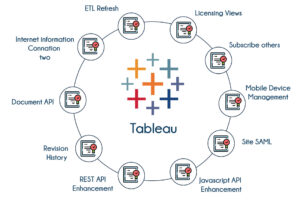
 

training-3-304611458970631_m

SPSS Training in Abuja: Your Complete 2026 Guide

IBM-SPSS-3

Are you looking for SPSS training in Abuja? If so, your search ends here. Indeed, SPSS is the world’s most widely used statistical software. Abuja Data School is the FCT’s leading provider of practical, career-ready SPSS training. Furthermore, every lesson connects to real Nigerian research problems. That is why you learn the exact skills that Abuja employers, researchers, and institutions need and pay for.

So, this guide covers everything you need to know about SPSS training in Abuja. It explains what SPSS is and why it matters in 2026. In addition, it covers what you study at Abuja Data School, how long it takes, and what you can earn. Furthermore, it answers the questions most Abuja learners ask before they sign up. As a result, by the end, you will have all the facts. You can then take your first confident step toward an SPSS career in the FCT.


So, Why Learn SPSS in Abuja in 2026?

Simply put, SPSS is the most trusted statistical tool across Nigeria’s research and academic sector. Nigerian universities, hospitals, government agencies, and NGOs all use SPSS to analyse data. Moreover, researchers use it to write theses. Similarly, public health teams use it to analyse patient data. Likewise, policy analysts use it to support government decisions. In short, SPSS is the skill to learn first if you work in research, academia, or data in Abuja.

Furthermore, SPSS is beginner-friendly. Its menu-driven interface needs no coding. So new learners pick it up faster than tools like R or Stata. As a result, civil servants, nurses, lecturers, and students all succeed at Abuja Data School. What is more, you can reach a job-ready level in just four to eight weeks. In addition, SPSS skills pay very well. For example, Abuja research analyst roles start at N150k per month. On top of that, senior data and research roles reach N600k or more. Moreover, international NGO roles in Abuja often require SPSS as a core skill.


What Can You Do With SPSS in Abuja?

In fact, SPSS opens many doors across research, health, and data careers in Abuja. Specifically, here are the most common ways Abuja professionals use SPSS every day:

  • Academic research: You analyse survey and experimental data for theses and dissertations. So you produce credible, publication-ready findings with confidence.
  • Public health analysis: You process patient data, disease data, and health survey results. Consequently, you support better healthcare decisions across Abuja’s hospitals and agencies.
  • Government data analysis: You process census data, policy surveys, and programme evaluations. Therefore, ministries and agencies make stronger, evidence-based decisions.
  • NGO monitoring and evaluation: You analyse programme data and impact surveys. As a result, your NGO tells a stronger evidence story to donors and stakeholders.
  • Market research: You analyse consumer surveys and brand data. Furthermore, you present clear statistical findings to clients and marketing teams.
  • Education research: You process student performance data and school survey results. Moreover, you support curriculum decisions with real statistical evidence.


Abuja Data School: The Home of SPSS Training in Abuja

When it comes to SPSS training in Abuja, Abuja Data School stands above every other option in the FCT. Indeed, it is Abuja’s most trusted data and research training centre. That is why Abuja Data School builds practical SPSS skills that lead to real jobs and income. Unlike generic online platforms with no local context, it teaches SPSS using Nigerian research data. Moreover, every course uses real Nigerian case studies from public health and education to government and NGO programme data.

Furthermore, Abuja Data School operates on a clear belief. Every Nigerian professional deserves world-class research training. In other words, it must be hands-on, low-cost, and tied to real career outcomes. To that end, Abuja Data School designed its SPSS programme to move learners from zero to job-ready in four to eight weeks. As a result, Abuja Data School SPSS graduates work in research, public health, M&E, and data roles. Consequently, they serve Nigerian universities, federal agencies, NGOs, and international organisations.

To explore the full range of data programmes, visit the Abuja Data School Data Analysis page. Furthermore, you can review real graduate projects and outcomes at the SPSS Training in Abuja, Nigeria – Data Science & AI Training in Abuja | Abuja Data School


What Makes Abuja Data School the Best Place to Learn SPSS in Abuja?

Next, here is exactly what sets Abuja Data School apart from every other SPSS training option in the FCT:

  • Nigerian context: Abuja Data School uses Nigerian research data and case studies in every class. So you never study examples that do not reflect local realities.
  • Hands-on learning: Every module includes live SPSS exercises and real data projects. Therefore, you build actual analytical skills rather than just watching demonstrations.
  • Small cohorts: Abuja Data School keeps class sizes small on purpose. Consequently, every learner gets direct feedback and one-on-one mentorship throughout.
  • Flexible study: SPSS courses run in-person in Abuja and as live online sessions. As a result, you choose the format that best fits your schedule and lifestyle.
  • Career support: Every graduate gets a CV review, LinkedIn coaching, portfolio help, and referrals to Abuja Data School’s network. In other words, your job search starts the moment you finish.
  • Community: Graduates join a growing network of Abuja researchers and data professionals. Moreover, this network shares job leads and supports long after the course ends.


SPSS Courses at Abuja Data School: What You Can Study

Abuja Data School offers a clear set of SPSS courses for learners at every level. Furthermore, here is specifically what is open in 2026:


Course Key Skills Duration Level
SPSS Foundations Interface, data entry, basic charts, frequencies 4 weeks Beginner
SPSS for Survey Analysis Likert scales, cross-tabs, chi-square, survey coding 4 weeks Beginner–Mid
SPSS for Health Data Clinical data, patient records, public health statistics 6 weeks Beginner–Mid
SPSS for Academic Research T-tests, ANOVA, regression, thesis data analysis 6 weeks Beginner–Mid
Advanced SPSS Statistics Factor analysis, cluster analysis, and logistic regression 8 weeks Intermediate
SPSS for M&E and NGO Data Programme data, impact surveys, donor reporting 4 weeks Beginner–Mid
Full SPSS Research Path All tracks above — complete research programme 4 months Beginner


What You Learn in SPSS Training at Abuja Data School

Abuja Data School builds your SPSS skills in clear layers. Each layer adds new analytical power. Furthermore, each layer brings you closer to a job-ready level. So, here is exactly what you cover:


Layer 1: SPSS Foundations

First, every Abuja Data School SPSS learner starts with a solid base. You learn how SPSS works — the interface, variable types, and data entry. Moreover, you also set up a real data file from day one. In addition, Abuja Data School ensures every beginner understands frequency tables and basic descriptive statistics. As a result, you gain the confidence of a real data analyst from the very first week. That is why this strong base makes every advanced layer faster and easier to learn.

Layer 2: SPSS for Survey Analysis

Next, Abuja Data School teaches you how to code, clean, and analyse survey data. Specifically, Likert scale coding, missing value handling, and data transformation all become part of your toolkit. Furthermore, you run cross-tabulations and chi-square tests on real Nigerian survey data. As a result, you can analyse any opinion survey, needs assessment, or customer feedback study. So you produce clear, credible findings that stakeholders trust and act on.

Layer 3: SPSS for Health Data Analysis

In addition, Abuja Data School offers a dedicated public health data module. Not only that, this step sets Abuja Data School apart from basic SPSS courses in Abuja. So you process patient records, disease surveillance data, and health survey results. Moreover, every exercise uses real Nigerian health data from clinics and public health agencies in the FCT. As a result, you leave this layer ready to work in hospital data units and public health agencies. Furthermore, international health NGOs in Abuja actively seek this expertise.

Layer 4: SPSS for Academic Research and Theses

Furthermore, Abuja Data School teaches a full academic research module. Indeed, undergraduate students, postgraduate researchers, and lecturers all find this layer essential. So you run t-tests, one-way ANOVA, and Pearson correlation in SPSS. In addition, you also learn multiple linear regression and how to report each result in APA format. Moreover, Abuja Data School links every statistical test to a real Nigerian research question. As a result, you finish your thesis data chapter with confidence and speed.

Layer 5: Advanced SPSS Statistics

Additionally, Abuja Data School takes learners to advanced statistical territory in this module. Specifically, you cover factor analysis to reduce complex survey data. Furthermore, you also learn cluster analysis to group respondents by behaviour. What is more, logistic regression lets you predict binary outcomes. Moreover, Abuja Data School connects every advanced technique to a real Nigerian policy or public health scenario. As a result, you graduate with the statistical depth that senior research roles in Abuja actively seek.

Layer 6: SPSS for Monitoring, Evaluation, and NGO Reporting

Finally, Abuja Data School adds a dedicated M&E module to its SPSS programme. Indeed, it is one of the few training centres in Abuja to offer this. So you process programme data and impact survey results in SPSS. Furthermore, you also produce donor-ready statistical reports and data visualisations. As a result, you graduate ready to serve NGOs, UN agencies, and bilateral donors operating in Abuja. Consequently, your M&E career gains a strong competitive advantage in the FCT job market.


SPSS Career Salaries in Abuja: What You Can Earn After Training

One of the first questions Abuja Data School learners ask is: What will SPSS skills pay me? So, here is a clear salary guide for SPSS-related roles in Abuja and Nigeria in 2026:


Role Experience Abuja Salary/Month Key Employers
Research Assistant 0–1 year N120k–N200k Universities, think tanks, NGOs
Data Analyst (Research) 1–2 years N200k–N380k Federal agencies, hospitals, NGOs
M&E Officer 1–3 years N250k–N500k UNICEF, WHO, USAID, INGOs
Public Health Analyst 2–4 years N300k–N600k NCDC, FMOH, state health agencies
Senior Research Analyst 3–5 years N450k–N800k CBN, NBS, and academic institutions
Data Consultant (Research) 3+ years N500k–N1m+ Consulting firms, donor projects


Who Hires SPSS Analysts in Abuja?

Furthermore, Abuja Data School SPSS graduates land roles across every major research and data sector in the FCT and beyond. Specifically, here is where they work:

  • Federal government agencies: NBS, CBN, FIRS, and NITDA hire SPSS analysts to process national data. Consequently, they produce statistics that guide federal policy decisions.
  • Public health institutions: NCDC, FMOH, and Abuja teaching hospitals hire SPSS analysts. So they process patient data and disease surveillance results effectively.
  • Nigerian universities and research institutes: ABU, UNIABUJA, NDA, and research centres hire SPSS experts. Therefore, they support thesis supervision and institutional research projects.
  • International NGOs and UN agencies: UNICEF, WHO, USAID, and UNHCR offices in Abuja hire M&E officers with strong SPSS skills. As a result, their programme data meets donor reporting standards.
  • Market research and consulting firms: Ipsos, NOI Polls, and Abuja-based consulting firms use SPSS for client surveys. Furthermore, they produce market intelligence reports with credible statistical findings.
  • Bilateral development projects: World Bank, EU, and DFAT-funded projects in Abuja hire SPSS-trained analysts. Moreover, they manage programme data and produce high-quality evaluation reports.


How to Start SPSS Training at Abuja Data School: 4 Steps

Step 1: Choose Your SPSS Course

First, visit Abuja Data School and review the full SPSS course list. If you are new to statistics, start with SPSS Foundations. Specifically, it takes four weeks. Furthermore, it gives you the base that every other module builds on. If you already work in research or M&E, a focused track may be the faster route. Moreover, Abuja Data School’s admissions team will help you choose the right course. Best of all, this service costs nothing. So, do not guess, just ask.

Step 2: Apply and Secure Your Place

Next, apply online or in person at the Abuja Data School office. Indeed, the sign-up process is simple. Furthermore, it takes less than fifteen minutes. What is more, there are no entry tests. So Abuja Data School welcomes learners from all professional backgrounds. In addition, once you secure your place, you get immediate access to pre-course SPSS reading materials. Moreover, you will also join the Abuja Data School student community group straight away. As a result, you connect with your new cohort before the first class even begins.

Step 3: Learn SPSS With Real Research Projects

In addition, every Abuja Data School SPSS session centres on real data analysis. Specifically, you run a live SPSS exercise in every class. Likewise, you complete a real research project in every module. Furthermore, your instructor reviews your output and gives you direct, actionable feedback on your analysis. As a result, by the time you finish the course, you will have built a portfolio of real SPSS outputs. Consequently, employers, research supervisors, and donor agencies see solid proof of your skill before they hire you.

Step 4: Get Hired With Abuja Data School Career Support

Finally, Abuja Data School career support begins the moment you finish your course. Specifically, you get CV review, LinkedIn optimisation, portfolio help, and mock interviews. In addition, you also receive direct referrals to Abuja Data School’s employer and research partner network. Moreover, Abuja Data School runs regular hiring events. At these events, you meet recruiters from NGOs, federal agencies, hospitals, and consulting firms. As a result, many Abuja Data School SPSS graduates land their first paid role within 60 to 90 days. Furthermore, to see what past graduates have achieved, visit the Abuja Data School Portfolio page.


Recommended External Resources to Support Your SPSS Learning

In addition to the structured training at Abuja Data School, several trusted external resources help SPSS learners deepen their knowledge. Specifically, here are four platforms that researchers and data professionals across Nigeria recommend:

  • IBM SPSS Official Documentation — This is the official IBM reference for SPSS Statistics. Furthermore, it covers every menu, function, and output in detail. So you always have a reliable technical guide at hand.
  • SPSS Tutorials — Statistics How To — This site offers plain-English SPSS tutorials for common statistical tests. Consequently, beginners find even complex procedures easy to understand and replicate.
  • Kent State University SPSS Tutorials — This free academic library guide covers SPSS step by step. Moreover, it is widely used by postgraduate researchers and thesis writers across Nigeria.
  • YouTube — SPSS for Beginners by Dr Todd Grande — This highly recommended YouTube channel covers SPSS from the basics to advanced techniques. As a result, thousands of researchers worldwide use it to sharpen their skills.

While these external resources help you grow, they work best alongside Abuja Data School’s structured training. So online tutorials answer specific questions quickly. However, they cannot replace the guided, feedback-driven learning environment that Abuja Data School provides.


Frequently Asked Questions (FAQs)

Q1: So, Is Abuja Data School the Best Place for SPSS Training in Abuja?

Yes, without doubt. Abuja Data School is the only SPSS training centre in the FCT with this combination: Nigerian-context learning, small cohorts, real project work, and full career support. Furthermore, its SPSS graduates work at federal agencies, hospitals, universities, NGOs, and donor-funded projects across Abuja. Indeed, no other SPSS school in Abuja matches that track record. So, if you want to learn SPSS in Abuja and advance your career fast, Abuja Data School is the clear first choice.

Q2: Furthermore, Do I Need Any Prior Statistics Experience to Join?

No, you do not. Abuja Data School’s SPSS Foundations course starts from the very beginning. Specifically, you need no prior statistics, data, or tech background at all. Furthermore, many of Abuja Data School’s most successful SPSS graduates came from nursing, public administration, education, and social science backgrounds. In short, if you can use a computer, Abuja Data School will take you from zero to a confident SPSS analyst. So just commit to attending every class and practising between sessions.

Q3: Also, How Long Does SPSS Training Take at Abuja Data School?

It depends on the track you choose. Specifically, the SPSS Foundations course takes four weeks. Furthermore, a focused track like SPSS for Academic Research or SPSS for Health Data takes six weeks. Moreover, the Full SPSS Research Path, which covers all tracks, takes four months. In addition, Abuja Data School runs all courses part-time. So you study while you work or study. What is more, most students spend four to six hours per week in class. Likewise, they also practise for a similar amount on their own. As a result, the learning fits comfortably around a full-time job or university programme.

Q4: Additionally, How Much Does SPSS Training at Abuja Data School Cost?

Abuja Data School offers some of the most competitive fees for SPSS training in Abuja. For example, individual courses start from N60,000. Furthermore, the full four-month SPSS Research Path is priced to be reachable for working Nigerians and students. Moreover, Abuja Data School offers flexible payment plans. So you spread the cost over two to three months with no added fees. In addition, scholarship slots exist for learners who show strong commitment but need financial support. That is why cost should never stop you from learning SPSS and advancing your research career.

Q5: Finally, Does Abuja Data School Offer Online SPSS Training?

Yes — Abuja Data School offers fully live online SPSS courses. Specifically, these suit learners who cannot attend in person. So online students join the same live cohort as in-person students. Furthermore, you run SPSS exercises alongside the class in real time. What is more, you get the same instructor feedback. Likewise, you submit the same portfolio projects. Moreover, Abuja Data School makes session recordings available after every class. So you review any procedure at your own pace. In short, whether you are in Abuja, Lagos, Kano, Jos, or anywhere in Nigeria, Abuja Data School brings world-class SPSS training directly to you.


Conclusion: Start Your SPSS Training Journey at Abuja Data School Today

Ultimately, SPSS training in Abuja has never been more valuable or more within reach than it is in 2026. Specifically, the demand for SPSS skills grows across every research, health, and data sector in Nigeria. Furthermore, the salaries are strong. Moreover, the software is learnable. Best of all, Abuja Data School has built the clearest path from zero SPSS knowledge to a well-paid research career. So, whether your goal is to complete a thesis, land an NGO M&E role, or work in public health data, Abuja Data School has the right course for you. In addition, it also has the instructors and the community to get you there.

Take the First Step Today

To that end, do not wait for the perfect moment or the next intake. Indeed, the Abuja researchers and professionals now earning N300k to N800k per month did not wait. They started. Above all, the sooner you begin, the sooner you earn. So, visit Abuja Data School today, pick your SPSS course, and apply. As a result, your first SPSS output and your first research job are just one enrolment at Abuja Data School away.
 

Hi, How Can We Help You?