
Tech Skills in Demand in Nigeria: Your Complete 2026 Guide

Are you wondering which tech skills Nigerian employers are actually looking for in 2026? If so, your search ends here. Abuja Data School is Nigeria’s top live technology training centre. The Nigerian tech job market is moving fast. Skills that were niche three years ago are now listed in hundreds of Nigerian job ads per month. Also, skills that were once enough on their own now need to be paired with others. So understanding exactly what Nigerian employers want in 2026 is the most important research any tech learner can do before choosing what to study.

So, this guide ranks the top tech skills Nigerian employers are hiring for in 2026, by sector. In addition, it covers which skills are growing fastest, which skill combinations open the most doors, and how Abuja Data School trains Nigerian professionals in every skill on this list. As a result, by the end of this guide, you will know exactly which skill to focus on next for your Nigerian tech career.

 

How This List Was Built

This ranking is based on the skills most frequently listed in Nigerian tech job ads across LinkedIn Nigeria, Jobberman, MyJobMag, and direct employer postings between Q3 2025 and Q2 2026. Also, salary data is drawn from Nigerian tech salary surveys and Abuja Data School graduate placement data. In short, every skill on this list has real Nigerian demand behind it right now.


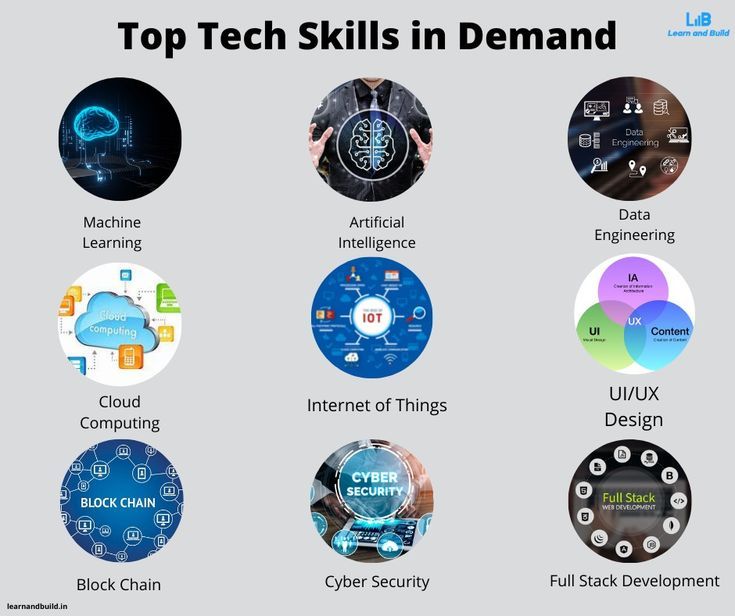
The Top 12 Tech Skills Nigerian Employers Want in 2026

Rank
Skill
Top Nigerian Sectors
1 SQL Banking, fintech, NGO, government
2 Python Fintech, data science, AI, research
3 Power BI Banking, consulting, NGO, government
4 Data Analysis All sectors
5 Excel (Advanced) NGO, banking, consulting, government
6 Machine Learning Fintech, health tech, AgTech
7 JavaScript / React Startups, agencies, fintech
8 Cloud (AWS/Azure) Large fintechs, banks, INGOs
9 Cybersecurity Banks, telecoms, government
10 UI/UX Design Startups, agencies, fintech, health
11 Project Management (PMP/Agile) All tech sectors
12 AI / Prompt Engineering All sectors using AI tools


The 5 Fastest-Growing Tech Skills in Nigeria Right Now

1. SQL: The Foundation Skill of Nigerian Tech

SQL is the most universally required skill in Nigerian tech job ads. Also, it appears in data analyst, data scientist, backend developer, business analyst, and even some NGO M&E roles. Every Nigerian organisation that stores data in a database needs people who can query it. Furthermore, SQL is one of the fastest skills to learn to a job-ready level; most Abuja Data School students can write working queries in 4 weeks. In short, if you learn no other tech skill in 2026, learn SQL.

2. Python: The Power Tool Nigerians Are Racing to Learn

Python went from niche to essential in Nigerian tech between 2022 and 2026. Also, it is the primary language for data science, machine learning, automation, and backend development. Moreover, Nigerian NGOs, fintechs, and health startups all list Python as a preferred or required skill in their data and engineering roles. In short, Python opens more Nigerian tech doors than any other programming language.

3. Power BI: The Dashboard Tool Every Nigerian Sector Uses

Power BI is the dominant business intelligence tool in Nigeria. Also, Nigerian banks, consulting firms, government agencies, and NGOs all use it for reporting and decision-making. Moreover, Power BI skills are faster to acquire than Python and immediately visible in client-facing roles. In short, Power BI is the highest-value 3-to-6-month skill investment for Nigerian professionals in non-developer roles.

4. Machine Learning: Where Nigerian AI Salaries Get Serious

Machine learning is now listed in Nigerian fintech, health tech, and AgTech job ads at scale. Also, Nigeria’s most competitive ML roles pay N1m to N3m per month for experienced engineers. Furthermore, the barrier to entry is real: ML requires Python, statistics, and domain knowledge. In short, ML is the highest-ceiling Nigerian tech skill but requires the most investment to reach a job-ready level.

5. AI and Prompt Engineering: The 2026 Wild Card

AI prompt engineering went from a curiosity to a listed job skill in 18 months. Also, Nigerian firms using ChatGPT, Claude, and Gemini for internal workflows need people who can design reliable, high-output prompts. Moreover, prompt engineering is one of the most accessible AI skills; it requires no coding, only clear thinking and practice. In short, for Nigerian professionals who want an AI career without a programming background, prompt engineering is the fastest entry point.


Skill Combinations That Pay Best in Nigeria

Single skills are good. Skill combinations are where Nigerian salaries get life-changing. Here are the highest-value pairings:

  • SQL + Python + Power BI: The full data analyst stack. This combination appears in most senior Nigerian data analyst job ads.
  • Python + Machine Learning + SQL: The Nigerian data scientist stack. Also, adding cloud (AWS or GCP) takes the ceiling even higher.
  • JavaScript + React + Node.js: The Nigerian full-stack web developer combination. High freelance and startup demand.
  • Power BI + Excel + SQL: The Nigerian business analyst combination. Strong in banking, consulting, and NGO sectors.
  • Cybersecurity + Networking (CCNA): High demand in Nigerian banks and telecoms. Also, Nigerian government agencies are actively building cybersecurity teams.

The most valuable Nigerian tech professionals in 2026 are not one-trick specialists. They are people who master one skill deeply and pair it with one or two strong adjacent skills.


Sector-by-Sector Breakdown: What Each Nigerian Industry Wants


Nigerian Sector Most In-Demand Skills 2026 Most Common Role Title
Banking and fintech SQL, Python, Power BI, Machine Learning, Cybersecurity Data Analyst, ML Engineer, Cybersecurity Analyst
NGOs and INGOs Excel, Power BI, SQL, SPSS, M&E data skills M&E Officer, Data Analyst, Research Analyst
Government and public sector Excel, Power BI, SQL, data management Data Officer, IT Officer, Research Officer
Health and health tech Python, SQL, SPSS, data analysis, AI tools Health Data Analyst, Research Analyst, ML Engineer
E-commerce and retail SQL, Python, Excel, data analysis, UI/UX Data Analyst, Product Analyst, UX Designer
Consulting Excel, Power BI, SQL, project management Business Analyst, Data Consultant, Strategy Analyst
Startups and tech agencies Python, JavaScript, React, UI/UX, cloud Full-Stack Dev, Frontend Dev, UX Designer, Data Eng
Telecoms SQL, Python, network skills, cybersecurity Network Analyst, Data Engineer, Cybersecurity Eng


Skills Nigerian Employers Say Are Missing From Most Applicants

Beyond the technical skills, Nigerian tech hiring managers consistently report these gaps in applicants:

  • Ability to communicate data insights: Many Nigerian candidates can run analysis but cannot explain the results clearly to non-technical managers or donors. Also, this is a career-limiting gap in NGO, government, and consulting roles.
  • Version control (Git and GitHub): Many Nigerian tech applicants have never pushed code or a project to GitHub. Employers notice immediately. In short, every Nigerian tech professional needs a GitHub account with real projects.
  • Problem-solving with real data: Candidates who only know tutorial data sets struggle with real Nigerian data, messy formats, missing values, and local context. Also, this is why Abuja Data School trains on real Nigerian data sets.
  • Business context: Technical skill without business understanding limits your impact and your salary. Nigerian tech professionals who earn the most are those who understand the business problem behind the data task.


Free Resource: LinkedIn Nigeria Jobs Tracker

In addition to Abuja Data School’s live training, Abuja Data School recommends tracking LinkedIn Nigeria job postings weekly as the best free way to monitor which Nigerian tech skills are in demand right now. Search for your target role (e.g. ‘data analyst Nigeria’ or ‘Python developer Abuja’), open 10 recent job ads, and note the skills listed in each. Also, sort the recurring skills by how often they appear. Moreover, doing this exercise once a month keeps your learning focused on what Nigerian employers actually want, not what the internet says they want. As a result, your training choices will always be guided by live Nigerian market data, not guesswork.

Use LinkedIn job tracking to guide your learning choices. Abuja Data School then builds the skills that appear most often in the Nigerian job ads you are targeting.


How Abuja Data School Trains Nigerians in Every Top Skill

Abuja Data School offers live, project-based training in every skill on this list: SQL, Python, Power BI, Machine Learning, Data Analysis, Excel, AI Prompt Engineering, and more. Also, every course uses real Nigerian data sets from banking, NGO, health, and government contexts. Furthermore, every student builds a GitHub portfolio of real projects that demonstrate the skills employers are testing for. In short, Abuja Data School does not teach skills in theory; it builds the demonstrated, employable Nigerian tech skills that appear at the top of this list.

To enrol in the course that targets your next Nigerian tech skill, visit the Abuja Data School Data Analysis page.


Frequently Asked Questions: Nigerian Tech Skills 2026

Q1: Which Tech Skill Should a Nigerian Absolute Beginner Learn First?

SQL. It is the most universally required skill in Nigerian tech, the fastest to learn to a useful level, and it opens doors in data, backend development, and business analysis. Also, it pairs well with every other skill on this list. In short, SQL is the single best first tech skill investment for any Nigerian beginner in 2026.

Q2: Is a Degree Required to Get a Nigerian Tech Job?

Not at most Nigerian tech companies. Also, many of Nigeria’s top fintechs and startups have moved to skill-based hiring. In short, a strong portfolio and demonstrable skills beat a degree every time at most Nigerian tech employers in 2026.

Q3: How Long Does It Take to Be Job-Ready in a Top Nigerian Tech Skill?

SQL: 4 to 6 weeks. Python for data analysis: 8 to 12 weeks. Power BI: 6 to 8 weeks. Machine learning: 6 to 12 months. Also, these timelines assume structured, live training at Abuja Data School; self-study alone takes significantly longer for most Nigerian learners. In short, structured training compresses the timeline dramatically.


Know What the Market Wants; Build It at Abuja Data School

Ultimately, the Nigerian tech market in 2026 is hiring faster than ever. The skills gap is real. Nigerian employers are actively looking for trained, project-ready tech professionals across every sector. The candidates who move fastest are the ones who know exactly which skills to build and build them in a structured, live environment.

To that end, take your next step today. Visit the Abuja Data School Data Analysis page and pick the course that targets the skill your Nigerian tech career needs most. As a result, you will move from curious about tech to qualified, portfolio-ready, and genuinely employable in the Nigerian 2026 market.

Data_Scientist_Skills.

Top Data Science Skills Employers in Abuja Are Looking for Right Now

Abuja is rapidly transforming into one of Nigeria’s most exciting technology hubs. As federal ministries, financial institutions, telecoms giants, and a growing wave of tech startups race to make data-driven decisions, the demand for skilled data science professionals in the FCT has never been stronger. So, what do Abuja employers actually look for when they post those job listings?

Whether you are a fresh graduate entering the job market, a professional pivoting into tech, or an experienced analyst ready to level up, understanding which data science skills employers in Abuja actively seek can make the difference between a rejected application and a job offer. In this article, we break down the most in-demand technical and soft skills you need to thrive in Abuja’s data science landscape right now.


Why Abuja’s Data Science Market Is Booming

Nigeria’s capital city has traditionally carried an association with government and policy work. However, a significant digital shift is now well underway. The federal government’s push toward e-governance, digital public services, and data-driven policymaking has created a surge in demand for data professionals across MDAs (Ministries, Departments, and Agencies). At the same time, Abuja’s expanding private sector particularly in banking, health technology, telecommunications, and real estate continues to invest heavily in analytics and business intelligence.

As a result, Abuja-based employers no longer want candidates who simply know how to run reports. Instead, they seek professionals who can extract actionable insights, build predictive models, and communicate findings clearly to non-technical decision-makers. With that context in mind, here is exactly what the market currently looks for.


1. Python and R Programming

Without question, programming proficiency forms the foundation of any data science role in Abuja. Python continues to lead as the language of choice across most organizations and for good reason. Its versatility, massive library ecosystem, and relatively gentle learning curve make it the go to tool for everything from data cleaning to model deployment. R, on the other hand, remains popular in research heavy environments, particularly in public health, academia, and government statistical departments.

What Abuja employers specifically look for:

  • Proficiency in Python libraries such as Pandas, NumPy, Matplotlib, Seaborn, and Scikit-learn.
  • Experience writing clean, reproducible code that can be shared and maintained by teams.
  • Ability to work with R for statistical computing and data visualization where needed.
  • Familiarity with Jupyter Notebooks or similar environments for exploratory data analysis.

Importantly, candidates who demonstrate real projects through GitHub repositories, portfolio websites, or previous work samples consistently stand out in Abuja’s competitive hiring process. Therefore, building a visible portfolio is no longer optional; it is essential.


2. Data Wrangling and SQL

Raw data is rarely clean, and every hiring manager in Abuja knows this. Data wrangling the process of cleaning, transforming, and preparing data for analysis consistently tops the list of non-negotiable skills. Equally critical is SQL (Structured Query Language), which remains the primary tool for querying relational databases across all major industries in Nigeria.

Key competencies employers expect:

  • Writing complex SQL queries including JOINs, subqueries, window functions, and aggregations.
  • Experience with relational databases such as PostgreSQL, MySQL, or Microsoft SQL Server.
  • Ability to handle missing values, duplicates, outliers, and inconsistent data formats.
  • Familiarity with data pipelines and ETL (Extract, Transform, Load) processes.

In Abuja’s government and banking sectors especially, professionals who can extract meaningful data from large, messy institutional databases deliver enormous value. Consequently, SQL mastery is one of the fastest returns on investment you can make in your skill development journey


3. Machine Learning and Predictive Modelling

Machine learning has shifted from a buzzword to a core expectation in many Abuja data science job descriptions. Organizations in finance, telecommunications, and health now deploy ML models for customer churn prediction, fraud detection, credit scoring, and disease surveillance. Employers want candidates who understand not just how to use machine learning algorithms, but when and why to apply them in a given business context.

In-demand machine learning competencies:

  • Supervised learning: regression, classification, decision trees, random forests, and gradient boosting methods like XGBoost.
  • Unsupervised learning: clustering techniques such as K-Means and hierarchical clustering.
  • Model evaluation: cross-validation, confusion matrices, ROC curves, and avoiding overfitting.
  • Basic knowledge of deep learning frameworks such as TensorFlow or PyTorch is increasingly valued.
  • Experience deploying ML models into production environments, even at a basic level.

Notably, candidates who point to specific models they have built and the measurable business impact those models created consistently earn preference over applicants with purely theoretical knowledge. In short, results matter more than credentials.


4. Data Visualization and Business Intelligence Tools

Technical analysis means little if a professional cannot communicate it effectively. Abuja employers particularly those in the public sector, NGOs, and corporate environments place enormous value on data professionals who can turn complex findings into clear, compelling visual narratives. As a result, tools like Power BI, Tableau, and advanced Excel dashboards now appear routinely in job requirements.

Visualization skills in demand:

  • Proficiency in Power BI, with the ability to create interactive dashboards and reports.
  • Experience with Tableau for both exploratory analysis and executive level reporting.
  • Using Python libraries (Matplotlib, Seaborn, Plotly) for custom visualizations.
  • Storytelling with data structuring insights in a way that drives decision-making.

Furthermore, the ability to present a data story to a room full of policymakers or C-suite executives without drowning them in technical jargon is one of the most sought-after yet underrated skills across all of Abuja’s hiring landscape.

Foundational-job-skills-for-data-scientists.


5. Statistical Analysis and Mathematics Fundamentals

A solid grounding in statistics separates a competent data scientist from a truly exceptional one. Employers in Abuja especially in research institutions, federal agencies, and health organizations want candidates who grasp the mathematics behind the models they run, not just those who execute functions from a library without deeper understanding.

Statistical competencies that matter:

  • Descriptive statistics: mean, median, variance, standard deviation, and common distributions
  • Inferential statistics: hypothesis testing, confidence intervals, p-values, and t-tests
  • Probability theory and Bayesian reasoning for robust decision-making under uncertainty
  • Experimental design and A/B testing methodologies to validate business decisions
  • Time series analysis for financial and operational forecasting — a growing priority in Nigerian banking and telecoms

As a result, candidates with strong quantitative backgrounds particularly those from mathematics, statistics, engineering, or economics often carry a distinct edge in roles that demand rigorous analytical thinking. If your math’s foundation is shaky, addressing it now will pay dividends throughout your career.


6. Big Data Technologies and Cloud Platforms

Nigerian organizations now accumulate larger and more complex datasets than ever before. Because of this, familiarity with big data tools and cloud infrastructure appears more frequently in Abuja job descriptions each quarter. While these skills are not universally mandatory at junior levels, they significantly strengthen mid-level and senior candidates’ profiles and they fast-track promotion timelines.

Technologies gaining traction in Abuja’s job market:

  • Apache Spark and Hadoop for processing and analyzing large-scale datasets efficiently
  • Cloud platforms: Microsoft Azure leads in many Nigerian organizations, followed by Google Cloud Platform (GCP) and Amazon Web Services (AWS)
  • Cloud-based data warehousing tools such as Big Query or Azure Synapse Analytics for scalable storage and querying
  • Basic Docker knowledge for packaging and deploying data applications in consistent environments

Specifically, professionals targeting roles in telecoms, fintech, or large federal agencies managing national-level data will find that big data and cloud skills are fast becoming essential not merely a bonus. Earning a Microsoft Azure or Google Cloud certification, therefore, is a strategic move worth making.


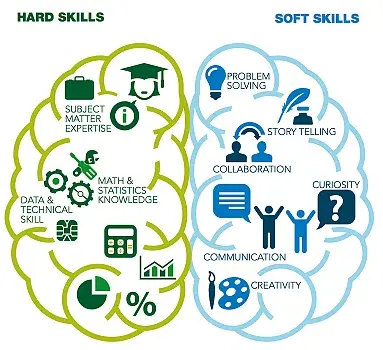
7. Communication and Stakeholder Management

Abuja is a city of institutions, ministries, embassies, multilateral agencies, and corporate headquarters. Data science professionals who work in this environment must feel comfortable interacting with senior officials, project managers, and non-technical stakeholders every day. Employers consistently rank soft skills as a critical differentiator between otherwise equally qualified candidates.

Soft skills Abuja employers rank highly:

  • Written and verbal communication: producing clear reports, polished presentations, and accessible technical documentation
  • Stakeholder management: framing technical constraints and findings in language that resonates with decision-makers rather than data teams
  • Critical thinking and problem-solving: approaching ambiguous business challenges with structured, evidence-based frameworks
  • Teamwork and collaboration: contributing productively within cross-functional teams that combine engineers, policy advisors, and business analysts
  • Adaptability: proactively staying current with rapidly evolving tools, techniques, and methodologies

In practice, many Abuja organizations expect the data scientist to bridge the technical team and senior leadership. Professionals who speak both languages fluently technical and managerial are worth considerably more to employers than those who master only one side of that equation.


8. Domain Knowledge in Key Abuja Sectors

Beyond generic data science skills, employers in Abuja increasingly value candidates with relevant domain expertise. Understanding the specific challenges and data landscapes of key local industries gives candidates a decisive, practical edge that technical skills alone cannot provide.

High-value sectors in Abuja’s data economy:

  • Public Sector and Policy: Experience interpreting government datasets, national surveys, and development indicators is especially valuable inside MDAs and multilateral organizations such as UNDP, the World Bank, and other UN agencies with Abuja offices.
  • Financial Services: Knowledge of credit risk, fraud analytics, anti-money laundering (AML) frameworks, and regulatory compliance data gives candidates a significant advantage with banks and fast-growing fintech firms.
  • Health and Public Health: Familiarity with epidemiological data, DHIS2 (District Health Information Software), and health outcome metrics is a growing priority for organizations operating in Nigeria’s health sector.
  • Telecommunications: Understanding of network analytics, customer behavior data, and churn modelling matters greatly for companies like MTN, Airtel, and Glo, each of which maintains major operations in Abuja.


How to Position Yourself for the Abuja Data Science Market

Breaking into or advancing within Abuja’s data science job market takes a deliberate, well executed strategy. Fortunately, several actions consistently produce results for job seekers at every experience level.

  • First, build a project portfolio that solves real Nigerian problems. Analyze publicly available Nigerian government datasets, create health dashboards from NCDC data, or model economic indicators from the National Bureau of Statistics. Local relevance resonates strongly with Abuja hiring managers.
  • Additionally, earn globally recognized certifications from platforms such as Google, Microsoft, Coursera, or DataCamp. Azure and Google Cloud certifications carry particular weight with employers across the FCT.
  • Meanwhile, network actively within Abuja’s growing data community. Industry events, professional meetups, and LinkedIn connections are powerful tools for reaching hiring managers before roles even go public.
  • Similarly, tailor your CV and cover letter to highlight domain-relevant experience for each specific sector you target government roles require different framing than private sector or NGO positions.
  • Finally, stay updated on Nigeria-specific data challenges: electoral data integrity, public health surveillance, financial inclusion, and agricultural productivity analytics are all areas where skilled professionals remain urgently needed right now.


Final Thoughts

Abuja’s data science job market is expanding at a remarkable pace, and the momentum shows no sign of slowing. Employers across both public and private sectors no longer want people who have simply heard of machine learning. Instead, they want professionals who can roll up their sleeves, work with real-world data, and deliver insights that genuinely change how organizations make decisions.

Ultimately, the professionals who thrive in this market combine strong technical foundations with clear communication, relevant domain knowledge, and a habit of continuous learning. The opportunity in Abuja is real and growing. The only question that remains is whether your skill set is ready to meet it and with focused effort, it absolutely can be.

https://www.abujadataschool.com/data-analysis/

Hi, How Can We Help You?