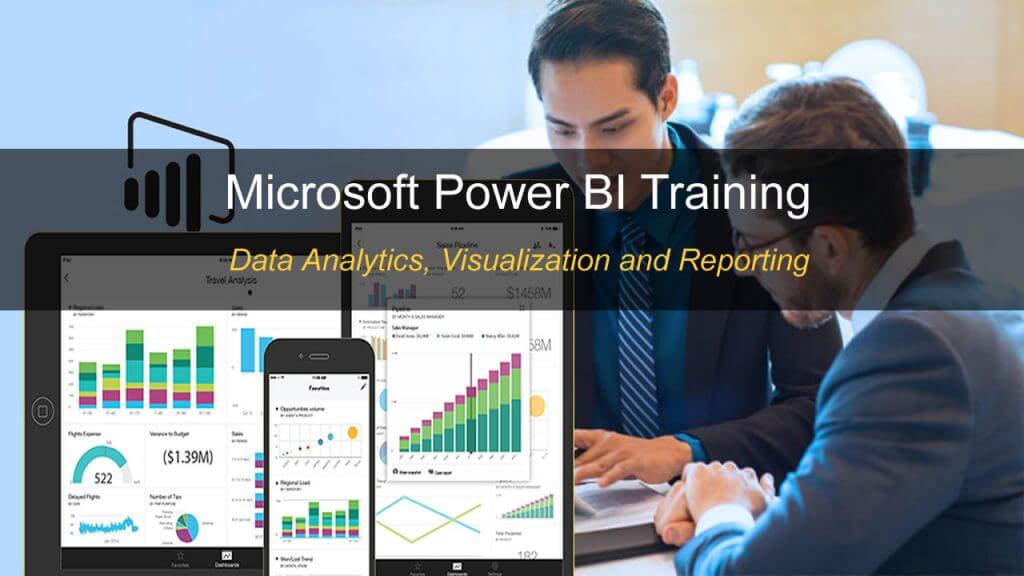
Are you looking for Power BI training in Abuja? If so, your search ends here. Power BI is Nigeria’s most used BI tool. Abuja Data School is the FCT’s top provider of hands-on, career-ready Power BI training. Not only does Abuja Data School teach you how to build dashboards and reports, but it also links every lesson to real Nigerian business data. As a result, you leave the course with skills that Abuja employers need and pay for right now.
So, this guide gives you the full picture on Power BI training in Abuja. It covers what Power BI is and why it is worth learning in 2026. It also explains what you study at Abuja Data School, how long it takes, what it costs, and what you can earn. Furthermore, it answers the most common questions Abuja learners ask before they sign up. By the end, you will have all the facts you need to take your first step toward a well-paid Power BI career in the FCT.
So, Why Learn Power BI in Abuja in 2026?
Simply put, Power BI is the standard tool for business reporting in Nigeria. It is used by data teams at Nigerian banks, telecoms, NGOs, consulting firms, government agencies, and every major employer in the FCT. Managers use it to track KPIs. Finance teams use it to monitor budgets. Sales teams use it to spot trends. In short, Power BI turns raw data into decisions. Every Abuja employer with a data team needs someone who can use it well.
Furthermore, Power BI skills pay well. Entry-level Power BI analysts in Abuja earn N200k to N350k per month. With two to three years of experience, that rises to N400k to N700k per month. Senior Power BI developers and consultants earn N800k to N1.5m per month locally and $2k to $6k per month working remotely with global clients. In addition, Microsoft Power BI is free to learn and runs on most Windows laptops, so there is no hardware barrier to getting started.
Who Should Learn Power BI in Abuja?
In fact, Power BI training at Abuja Data School is open to learners from all walks of life. Here is who gains the most from it:
- Also, finance and accounts staff: Those who already work with Excel and want to upgrade to live dashboards and real-time reporting
- Furthermore, civil servants and government workers: Those who produce monthly performance reports and want to make them faster and more visual
- Additionally, business analysts and consultants: Those who present data to clients and need polished, interactive reports to back their insights
- Moreover, marketers and sales managers: Those who track campaign results, leads, and revenue and want clearer, faster ways to see the numbers
- Also, fresh graduates: Those who want a strong, in-demand data skill before they enter the Abuja job market
- Finally, SQL and Excel analysts: Those who want to add Power BI to their skill set and move into higher-paid senior analyst roles
Abuja Data School: The Home of Power BI Training in Abuja
When Abuja workers search for the best Power BI training in the FCT, one name leads the field, Abuja Data School. It is Abuja’s most trusted data training centre, and its Power BI programme is built from the ground up for Nigerian learners. Unlike generic online courses with no local context, Abuja Data School teaches Power BI with Nigerian banking data, government budgets, and real Abuja business cases.
Furthermore, Abuja Data School was founded on one clear belief: every Nigerian worker deserves world-class data training. It must be low-cost, hands-on, and linked to real job results. To that end, its Power BI programme takes learners from zero knowledge to job-ready in as little as eight weeks. As a result, Abuja Data School Power BI graduates work at Nigerian banks, NGOs, consulting firms, and telecoms. Many also work with global remote employers.
What Makes Abuja Data School the Best Place for Power BI Training in Abuja?
Next, here is exactly what sets Abuja Data School apart from every other Power BI training option in Abuja:
- Also, Nigerian context: All Power BI lessons use Nigerian data and Abuja case studies, not US or UK examples that miss the local market
- Furthermore, hands-on learning: Every session includes live dashboard building, real datasets, and a project you complete and add to your portfolio
- Additionally, small cohorts: Class sizes are kept small so every learner gets direct feedback, mentorship, and real-time support from the instructor
- Moreover, flexible study: Power BI courses run in-person in Abuja and live online. You can learn in the way that fits your schedule
- Also, career support: Every graduate gets CV review, LinkedIn coaching, Power BI portfolio help, mock interviews, and referrals to Abuja Data School’s employer network
- Finally, community: Graduates join a strong network of Abuja data and Power BI professionals who share jobs, datasets, and support long after the course ends
Power BI Courses at Abuja Data School: What You Can Study
Abuja Data School offers a clear set of Power BI courses for learners at every level. Here is what is open to Abuja learners in 2026:
| Course | Key Skills | Duration | Level |
| Power BI Foundations | Interface, visuals, basic reports, filters | 4 weeks | Beginner |
| Power BI for Business | DAX, data models, slicers, live reports | 8 weeks | Beginner–Mid |
| Power BI + SQL Integration | SQL queries, Power BI connectors, joins | 8 weeks | Intermediate |
| Power BI for Finance | Budget tracking, P&L, cash flow dashboards | 6 weeks | Intermediate |
| Power BI for NGOs and Gov | KPI tracking, donor reports, audit dashboards | 6 weeks | All levels |
| Power BI + AI Copilot | AI-powered reports, Copilot, smart insights | 6 weeks | Intermediate |
| Full Data Analyst Programme | Power BI + SQL + Excel + Python + AI | 6 months | Beginner |
What You Learn in Power BI Training at Abuja Data School
Abuja Data School’s Power BI programme builds your skills in clear layers. Each layer adds real power and brings you closer to the level that Abuja employers hire at. Here is what you cover:
Layer 1: Power BI Interface and Basic Reports
First, you learn how Power BI works from the ground up. You connect to data sources, load data, and build your first charts and tables right away. You learn how to use slicers, filters, and drill-throughs to make reports that users can explore on their own. Furthermore, Abuja Data School makes sure you understand how Power BI Desktop, Service, and Mobile all fit together. As a result, you finish the first layer able to build clean, clear reports from real Nigerian data.
Layer 2: DAX and Data Modelling
Next, you learn DAX, Data Analysis Expressions, the formula language that powers everything in Power BI. Specifically, you learn how to write measures and calculated columns for totals, growth rates, year-on-year changes, running sums, and ranked lists. In addition, you learn how to build star schema data models that connect tables cleanly. Furthermore, Abuja Data School uses Nigerian banking and retail data in every DAX exercise. As a result, you practice on the exact calculations that Abuja employers use in their reports every day.
Layer 3: Advanced Visuals and Dashboard Design
In addition, you learn how to build polished, professional dashboards that managers and executives actually use. You work with custom visuals, bookmarks, buttons, and page navigation. Furthermore, Abuja Data School teaches you the design rules that make reports clear, color, layout, label choice, and how to show only what matters. In short, you learn not just how to use Power BI, but how to use it well. As a result, your dashboards look and work like the ones built by senior analysts at top Nigerian firms.
Layer 4: Power BI and SQL Integration
Moreover, you learn how to connect Power BI directly to SQL databases, the setup used at most Nigerian banks and large firms. Specifically, you write SQL queries and pull the results directly into Power BI reports. In addition, you learn how to use Direct Query mode so your dashboards update in real time as the database changes. Furthermore, Abuja Data School’s SQL and Power BI module is one of the few in Abuja that teaches this skill at a working level. As a result, you become a more complete analyst. You can work at the database layer as well as the reporting layer.
Layer 5: Power BI Copilot and AI Features
Finally, Abuja Data School has added a dedicated AI module to its Power BI programme. Specifically, you learn to use Power BI Copilot to generate reports from plain text prompts and automate narrative text in your dashboards. In addition, you learn to combine Power BI with Python visuals when the built-in charts are not enough. As a result, you graduate as a modern, AI-fluent Power BI analyst. This is the type of worker that Abuja’s most forward-looking employers are hiring for right now.
Power BI Salaries in Abuja: What You Can Earn After Training
One of the first questions at Abuja Data School is: what will Power BI skills pay me? Here is a clear salary guide for Power BI roles in Abuja and Nigeria in 2026:
| Role | Experience | Abuja Salary/Month | Remote Pay (USD/Mo) |
| Junior Power BI Analyst | 0–1 year | N200k–N350k | $800–$1,500 |
| Power BI Analyst | 1–3 years | N350k–N600k | $1,500–$3,000 |
| Senior Power BI Analyst | 3–5 years | N600k–N1m | $2,500–$5,000 |
| Power BI Developer | 2–4 years | N450k–N800k | $2,000–$4,500 |
| Power BI Consultant | 3–5 years | N700k–N1.2m | $3,000–$6,000 |
| BI Manager | 5+ years | N1m–N2m | $5,000–$9,000 |
| Data Analyst (Power BI) | 1–3 years | N300k–N650k | $1,500–$3,500 |
Who Hires Power BI Analysts in Abuja?
Furthermore, Abuja Data School Power BI graduates are finding roles across every major sector in the FCT. Here is where they are working right now:
- Also, banking and fintech: Access Bank, Zenith Bank, Stanbic IBTC, and Abuja fintech firms hire Power BI analysts for revenue dashboards and customer reports
- Furthermore, federal ministries and agencies: The Ministry of Finance, CBN, FIRS, and NNPC use Power BI to track budgets, KPIs, and policy outcomes
- Additionally, consulting firms: Deloitte Nigeria, PwC, and KPMG hire Power BI analysts to build client-facing reports for finance, health, and public sector projects
- Moreover, international NGOs: UNICEF, USAID, WHO, and World Bank offices in Abuja use Power BI for donor reports, health data dashboards, and programme monitoring
- Also, telecoms: MTN Nigeria, Airtel, and Glo use Power BI for network performance reports, subscriber analysis, and revenue tracking across regions
- Finally, remote global firms: Abuja Data School Power BI graduates land remote roles with UK, US, and EU clients — earning in dollars and pounds
How to Start Power BI Training at Abuja Data School: 4 Clear Steps
Step 1: Choose Your Power BI Course
First, visit Abuja Data School and look at the full Power BI course list. If you are new to Power BI, start with Power BI for Business. It covers the full tool from basics to DAX in eight weeks. If you already know Excel well or have some data experience, the Power BI and SQL Integration course is a strong next step. Furthermore, Abuja Data School’s admissions team is always on hand to help you pick the right course for your background and goals at no charge.
Step 2: Apply in Under 15 Minutes
Next, apply online or in person at the Abuja Data School office. The process is simple and takes less than 15 minutes. There are no entry tests, Abuja Data School welcomes learners from all study and career backgrounds. In addition, once your place is confirmed, you get access to pre-course reading materials and the Abuja Data School student group. You can start connecting with your cohort before the first class begins.
Step 3: Build Your Power BI Portfolio
In addition, every Abuja Data School Power BI session is built around real data and real dashboards. You build a live project in every module, not just exercises you throw away. Furthermore, your Abuja Data School instructor reviews every dashboard you produce and gives direct, honest feedback. As a result, by the time you finish the course, you have two to four strong Power BI portfolio pieces. These are what Abuja employers and remote clients look at when they decide to hire.
Step 4: Get Hired With Abuja Data School Career Support
Finally, Abuja Data School career support starts the moment your course ends. Every Power BI graduate gets CV review, LinkedIn coaching, portfolio sign-off, mock interviews, and direct referrals to Abuja Data School’s employer partners. Moreover, Abuja Data School runs hiring events where Power BI graduates meet recruiters face to face. As a result, many Abuja Data School Power BI graduates land their first role within 60 to 90 days of finishing.
Frequently Asked Questions (FAQs)
Q1: So, Is Abuja Data School the Best Place for Power BI Training in Abuja?
Yes, without doubt. Abuja Data School is the only Power BI school in the FCT that combines Nigerian data, small cohorts, and full career support in one place. Furthermore, its graduates are working at top Nigerian banks, NGOs, consulting firms, and global remote employers. No other Power BI school in Abuja has that track record. So, if your goal is a real Power BI job in Abuja or beyond, Abuja Data School is the clear first choice.
Q2: Furthermore, Do I Need Any Prior Skills to Join Abuja Data School?
No, you do not. Abuja Data School’s Power BI Foundations course starts from the very beginning. No prior knowledge of Excel, databases, or coding is needed to get started. Furthermore, many of Abuja Data School’s most successful Power BI graduates came from accounting, public admin, marketing, and education backgrounds. In short, if you can use a laptop and are ready to learn, Abuja Data School can take you from zero to job-ready analyst.
Q3: Also, How Long Does Power BI Training Take at Abuja Data School?
It depends on the course you choose. Power BI Foundations takes four weeks. Power BI for Business takes eight weeks. The full Data Analyst Programme which includes Power BI alongside SQL, Excel, Python, and AI takes six months. Furthermore, all Abuja Data School courses run part-time. You can study while you work. In addition, session recordings are open after every class for review at your own pace.
Q4: Additionally, How Much Does Power BI Training at Abuja Data School Cost?
Abuja Data School offers some of the most competitive fees for Power BI training in Abuja. Individual courses start from N80,000. The full six-month Data Analyst Programme is priced to be reachable for working Nigerians. Furthermore, Abuja Data School offers flexible payment plans. You can spread the cost over two to three months with no extra fees. In addition, the school runs scholarship slots for learners who show strong drive but need financial help. So, cost should never be the reason you delay starting.
Q5: Finally, Does Abuja Data School Offer Online Power BI Training?
Yes, Abuja Data School offers fully live online Power BI courses for learners who cannot attend in person. Online students join the same live cohort as in-person students. They build dashboards in real time alongside the class, get the same instructor feedback, and complete the same portfolio projects. Furthermore, session recordings are open after every class for review. In short, whether you are in Abuja, Lagos, Kano, or anywhere in Nigeria, Abuja Data School brings top Power BI training directly to your screen.
Conclusion: Start Your Power BI Journey at Abuja Data School Today
Ultimately, Power BI training in Abuja has never been more valuable or more within reach than it is in 2026. The demand for Power BI skills is high. The salaries are strong. The tool is free to install. And Abuja Data School has built the clearest, most practical path from zero Power BI knowledge to a well-paid data career in the FCT. Whether you want to build dashboards or win remote clients, Abuja Data School has the course and the community to get you there.
Take the First Step Today
To that end, do not wait for the right time or the next intake. Above all, the Abuja workers earning N500k to N1m per month in Power BI roles did not get there by waiting. They got there by starting. So, visit Abuja Data School today, pick your Power BI course, and apply. As a result, your first dashboard and your first data job are just one enrolment at Abuja Data School away.
https://www.abujadataschool.com/data-analysis/