power-BI-4-750x420-1

Power BI Nigeria: The Smarter Way to Run Your Business

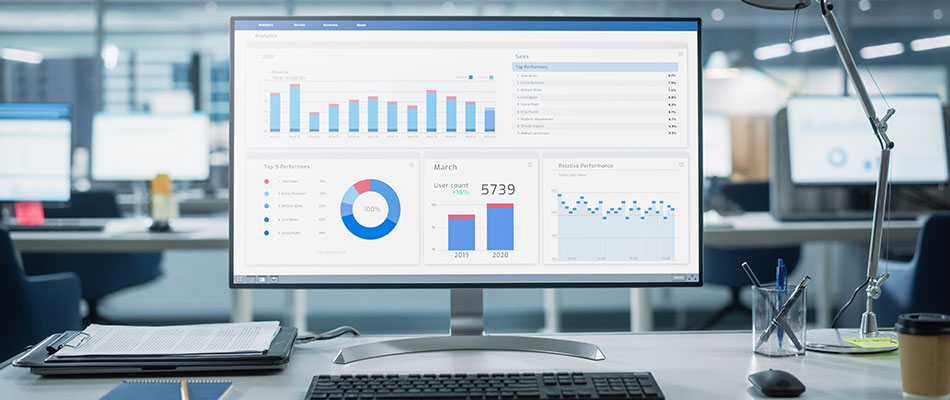
Are you running a business in Nigeria and still making key choices based on gut feel? If so, Power BI can change that. Not only does it turn raw data into clear, visual dashboards, but it also helps you spot trends, track sales, and act fast. In short, Power BI gives Nigerian business owners the edge they need to make smart choices every single day.

Specifically, this guide covers how to build Power BI dashboards that work for Nigerian businesses. Whether you run a shop in Lagos, a firm in Abuja, or a growing startup anywhere in Nigeria, this step-by-step guide will help. Furthermore, it covers the key charts to use, the data to track, and how to set up your first live dashboard from scratch.


So, What Is Power BI and Why Does It Matter for Nigerian Businesses?

Simply put, Power BI is a free business tool from Microsoft that turns spreadsheet data into visual dashboards. It connects to Excel, Google Sheets, SQL databases, and many other data sources. As a result, you can see all your key business numbers in one clean, easy-to-read screen. Plus, it updates in real time when your data changes.

In Nigeria, many small and mid-size businesses still track sales in Excel files and WhatsApp records. While this works for a while, it becomes slow and hard to manage as the business grows. Therefore, Power BI solves this by pulling all that data together and turning it into charts and tables you can act on right away.

Why Nigerian Businesses Need Power BI Right Now

Indeed, the case for Power BI in Nigeria is strong. Here are the main reasons why more Nigerian firms are now adopting it:

  • Naira volatility means margins shift fast — Power BI lets you see profit changes in real time
  • Most Nigerian banks and fintech apps can export data to Excel, which feeds directly into Power BI
  • FIRS and tax bodies now expect cleaner financial records — Power BI helps you stay audit-ready
  • Nigerian investors and partners now ask for data dashboards as part of due diligence
  • Power BI Desktop is free to download and use — no monthly fee required to get started
Power-BI-For-Business-Intelligence.

So, How Do You Get Started With Power BI in Nigeria?

Before you build your first dashboard, you need to set up the tool. Fortunately, this is quick and free. To begin, follow these three simple steps:

Step 1: Download Power BI Desktop

First, go to powerbi.microsoft.com and download Power BI Desktop for free. It works on any Windows PC or laptop. Indeed, most Nigerian business owners use it on a standard office laptop without any issues. Plus, Microsoft releases updates every month, so the tool keeps getting better at no extra cost.

Step 2: Prepare Your Data

Next, your data needs to be clean before Power BI can use it well. Specifically, this means your Excel files should have clear column headers, no merged cells, and no blank rows. In addition, dates should all be in the same format. If you use accounting software like Sage or QuickBooks, both can export clean Excel files that Power BI reads with ease.

Step 3: Connect Your Data Source

Then, open Power BI Desktop and click ‘Get Data’. From there, choose your source — Excel, CSV, SQL, or even a web link. Power BI will load your data and show it in a table view. At this point, you can clean and shape the data using Power Query before you start building charts. Also, you can connect to multiple sources at once, which is useful if your sales and stock data live in separate files.


Key Dashboards Every Nigerian Business Should Build

Now that your data is connected, let us look at the most useful dashboards for Nigerian businesses. Not all dashboards are equal. Therefore, focus on the ones that solve real problems in your business first. Here are the five most impactful ones to build:

1. Sales Performance Dashboard

To start, every Nigerian business needs a clear view of its sales. A sales dashboard shows total revenue, units sold, top products, and sales trends over time. Specifically, it helps you answer questions like: Which product sold most this week? Which sales rep hit their target? As a result, you can reward good work and fix weak spots fast.

Key charts to include in your sales dashboard:

  • Bar chart: Monthly sales by product or region
  • Line chart: Sales trend over the last 12 months
  • Card visual: Total revenue, total units sold, average order size
  • Map visual: Sales by state or city across Nigeria
  • Table: Top 10 customers by spend this month


2. Cash Flow and Finance Dashboard

Furthermore, cash flow is the lifeblood of any Nigerian business. Many firms are profitable on paper but still run out of cash. In fact, this is one of the top reasons small businesses in Nigeria fail. A cash flow dashboard shows money coming in versus money going out, week by week. So, you can see gaps before they become a crisis.

Key charts to include in your finance dashboard:

  • Waterfall chart: Cash inflows versus outflows by month
  • Line chart: Running cash balance over time
  • Pie chart: Expense breakdown by category (salaries, rent, stock, etc.)
  • Card visual: Days of cash remaining, total receivables, total payables
  • Table: Unpaid invoices sorted by how late they are


3. Inventory and Stock Dashboard

In addition, if your business sells physical goods, a stock dashboard will save you time and money. Specifically, it tracks what items are low, what is moving fast, and what is sitting idle. As a result, you can reorder on time and avoid both stockouts and overstock — two costly problems for Nigerian traders.

Key charts to include in your stock dashboard:

  • Bar chart: Stock levels by product SKU
  • Alert card: Items below reorder level (use conditional formatting to flag in red)
  • Line chart: Stock movement over time — which items move fast
  • Table: Dead stock — items with no sales in the last 30 days
  • Gauge visual: Warehouse fill rate as a percentage


4. HR and Staff Performance Dashboard

Equally, if you have a team, an HR dashboard helps you track staff output without relying on verbal reports. Indeed, it shows attendance, targets hit, leave days used, and output per staff member. Plus, it removes bias from performance reviews because the data speaks for itself. This is especially useful for Nigerian businesses with staff across multiple locations.

Key charts to include in your HR dashboard:

  • Bar chart: Output or sales per staff member this month
  • Card visual: Total headcount, absenteeism rate, open roles
  • Table: Staff leave balances and days remaining
  • Line chart: Headcount growth over the last 12 months
  • Slicer: Filter by department, location, or role


5. Customer Insights Dashboard

Finally, a customer dashboard helps you know your buyers better. Specifically, it shows who your top customers are, how often they buy, and which ones are at risk of leaving. In the same vein, it tracks new customers versus returning ones. As a result, you can focus your sales team on the right people and grow your revenue without finding new customers every time.

Key charts to include in your customer dashboard:

  • Bar chart: Top 20 customers by total spend
  • Line chart: New customers acquired per month
  • Scatter chart: Customer value versus purchase frequency
  • Table: Customers with no purchase in the last 60 days (at-risk list)
  • Card visual: Customer retention rate, average order value, lifetime value


How to Build Power BI Dashboards That Actually Drive Decisions

Building a dashboard is one thing. Building one that people actually use to make choices is another. So, here are the key rules that separate a useful dashboard from one that gets ignored:

Use Simple, Clear Visuals

First, resist the urge to add too many charts to one page. A clean dashboard with five key visuals beats a crowded one with twenty. In fact, the best dashboards in Nigerian businesses tend to have one key metric at the top — such as total revenue today — and supporting charts below. This way, the user knows at a glance if the business is on track.

Add Slicers for Filtering

Next, slicers let users filter the dashboard by date, region, product, or staff member. Specifically, a date slicer is the most useful filter for Nigerian businesses because it lets you compare this month to last month with one click. Plus, slicers make one dashboard work for many users without building separate reports for each person.

Use Nigerian Naira Formatting

In addition, always format your currency fields in Nigerian Naira (NGN). Specifically, go to the column settings in Power BI and set the format to custom, then type the Naira symbol before the number. This way, your dashboard looks professional and avoids confusion when sharing with local partners or investors.

Set Up Automatic Data Refresh

Also, a dashboard that does not update is just a static report. Therefore, use Power BI Service (the free online version) to schedule automatic data refreshes. Specifically, if your data lives in a SharePoint folder or OneDrive, Power BI can refresh it daily or even hourly. As a result, your team always sees live numbers without anyone having to update the file by hand.

Build Mobile-Friendly Views

Furthermore, many Nigerian business owners check data on their phones. In Power BI, you can build a phone layout for each dashboard page. Specifically, go to View and select Mobile Layout, then drag your key visuals into a phone-sized canvas. This way, your sales manager in Port Harcourt can check today’s numbers on the road without needing a laptop.

Common Power BI Mistakes Nigerian Businesses Make

Before you build your first dashboard, it helps to know what to avoid. Indeed, these are the most common errors that waste time and produce bad results:

  • Dirty data: Inconsistent date formats, blank rows, and merged cells in Excel will break your Power BI report. Always clean your data first in Excel or Power Query before connecting it.
  • Too many visuals: Cramming 15 charts onto one page makes the dashboard hard to read. Stick to five or six key visuals per page and use separate pages for different topics.
  • No clear goal: Every dashboard should answer a specific question. If you cannot state what question your dashboard answers in one sentence, start over with a clearer brief.
  • Ignoring mobile: Over 70% of Nigerian internet users access content on mobile. Always build a phone layout for your key dashboards so your team can use them on the go.
  • Not sharing the dashboard: Many teams build great dashboards but only one person can see them. Use Power BI Service to publish and share your dashboards with your whole team for free.
  • Skipping DAX formulas: Basic Power BI charts use raw data. But DAX formulas let you calculate growth rates, running totals, and year-on-year changes. Learning even five basic DAX formulas will make your dashboards ten times more powerful.


Five DAX Formulas Every Nigerian Business Owner Should Know

Not only does Power BI let you display data, but it also lets you calculate new metrics using DAX — Data Analysis Expressions. Here are five formulas that solve real Nigerian business problems:

DAX Formula What It Does Nigerian Business Use
CALCULATE Filters a measure by set rules Calculate sales for Lagos only
SUMX Adds a column row by row Total revenue = price × quantity per item
DIVIDE Divides safely (no error on zero) Gross margin % without divide-by-zero crash
DATEADD Shifts a date by a set period Compare this month sales to last month
RANKX Ranks items in a list Rank top 10 products or sales reps by revenue


Free Power BI Learning Resources for Nigerian Users

In addition to building dashboards, you need to keep growing your Power BI skills. Fortunately, most of the best learning resources are free. Here are the top ones to use right now:

  • Microsoft Learn (learn.microsoft.com): Free, self-paced Power BI courses direct from Microsoft. The Power BI learning path covers everything from basics to DAX and takes about 10 hours to complete.
  • Guy in a Cube (YouTube): One of the best free Power BI YouTube channels. Their videos cover real business use cases and DAX tricks in plain English.
  • com: The best free resource for learning DAX formulas in depth. Their DAX Guide is a free reference for every DAX function.
  • Power BI Community (community.powerbi.com): A free forum where you can post questions and get answers from Power BI experts worldwide — including many African users.
  • org: Covers Excel and Power BI together, which is useful for Nigerian business owners who already know Excel well.
  • Abuja Tech Hub and Lagos Data Community: Local Nigerian tech groups that run free Power BI workshops from time to time. Follow them on LinkedIn and Twitter for event updates.


Frequently Asked Questions (FAQs)

Q1: So, Is Power BI Free for Nigerian Businesses?

Yes, Power BI Desktop is fully free to download and use. You can build dashboards and share them as PDF or PowerPoint files at no cost. However, if you want to publish live dashboards online and share them with your team, you need Power BI Pro, which costs about $10 per user per month. Plus, many Nigerian firms find the free version more than enough to start with.

Q2: Furthermore, Can Power BI Work With Nigerian Accounting Software?

Yes, it can. Most Nigerian accounting tools — including Sage, QuickBooks, and Odoo — can export data to Excel or CSV. Power BI reads both formats with ease. In addition, some tools like Zoho Books and FreshBooks have direct Power BI connectors. So, your financial data can flow straight into your dashboards without any manual export.

Q3: Also, Do I Need to Know Coding to Use Power BI?

No, you do not need to code to build basic dashboards. Power BI is a drag-and-drop tool at its core. However, learning DAX formulas will make your dashboards far more powerful. In fact, most Nigerian business owners pick up the five key DAX formulas in a single weekend. Also, Microsoft Learn offers free, guided DAX tutorials that require no coding background.

Q4: Additionally, How Do I Share My Power BI Dashboard With My Team?

To share a live dashboard, publish it to Power BI Service using your free Microsoft account. Then send the link to your team. Specifically, anyone with a Power BI Pro licence can view and interact with the dashboard in their browser or on the Power BI mobile app. Also, you can export any dashboard page as a PDF or PowerPoint slide and share it via email or WhatsApp.

Q5: Finally, How Long Does It Take to Build a Power BI Dashboard?

That depends on how clean your data is. Generally, a basic sales dashboard with clean Excel data takes two to four hours to build for the first time. Once your data model is set up, adding new dashboard pages takes much less time — often under an hour. So, invest time in cleaning your data well at the start, and every dashboard after that will be fast to build.


Conclusion

Ultimately, Power BI is one of the most useful tools a Nigerian business owner can learn in 2025. Whether you want to track sales, cut waste, or impress investors, a well-built dashboard puts the right data in front of the right people at the right time. In addition, it is mostly free, works with data you already have, and does not require a data science degree to use.

Your First Step Starts Today

To that end, download Power BI Desktop today and connect it to one Excel file you already have. Then build one simple chart. As a result, you will see how fast raw data can become a clear, useful visual. Once you see it work, the rest comes naturally. Above all, remember that the best dashboard is not the most complex one — it is the one your team looks at every day to make better choices.


pexels-shkrabaanthony-5475750

Data Science & AI Training in Abuja – Learn & Get Hired

pexels-mikhail-nilov-6963944

Are you looking for data science jobs in Abuja? If so, you are in the right place. Not only does this guide name the top firms hiring right now, but it also shows you what they pay. Furthermore, it covers the skills you need, the roles on offer, and how to position yourself to get hired fast. In short, this is the only guide you need to launch or grow your data science career in Abuja right now.

Why Data Science is Booming in Nigeria Right Now

Indeed, data science has become one of the most valuable skills in Nigeria’s job market today. According to recent sector data, data science roles in Nigeria have grown by over 45% in the last three years. Notably, Abuja leads this growth because of its large concentration of state groups, global bodies, and banks and firms. Therefore, if you live in Abuja or plan to relocate, now is the best time to pursue a data science career here.


So, Why is Abuja a Strong Market for Data Science Jobs?

Simply put, Abuja is not just a political capital. In fact, it is more and more a hub for data driven decision making across multiple sectors. For this reason, firms in Abuja need data scientists more than ever before. As a result, the city offers some of the most strong data science pay in Nigeria. So, experts who build strong data skills here enjoy great career growth. Below are the key sectors now driving data science hiring in Abuja:

  • Federal government ministries and agencies: Using data to guide state policy and resource allocation
  • International development organizations: The World Bank, UNDP, USAID, and UN groups all run data heavy programmes in Abuja
  • Financial institutions: Banks and fintech firms use data science for credit scoring, fraud detection, and customer analytics
  • Telecoms companies: MTN, Airtel, and Glo use data science to optimize networks and understand customers
  • Healthcare and NGOs: Data scientists support disease surveillance, public health research, and programme evaluation
  • Consulting firms: Local and international consulting firms hire data scientists to serve clients across all sectors


Government Bodies and International Organizations Drive Hiring

In addition, the NBS, CBN, and NITDA are all based in Abuja. This creates steady, long term demand for data science talent. Notably, these institutions offer structured roles with strong job security and strong pay. Furthermore, many of these employers offer training and career growth, which makes Abuja mostly attractive for early career data scientists.


So, What Data Science Roles Are Available in Abuja?

Before listing companies, it helps to understand the main role types. This way, your job search will be far more focused. Indeed, data science in Abuja covers several job titles. Each one needs a slightly different skill set. Therefore, here are the most common roles you will see advertised in Abuja:

1. Data Scientist

To start, the data scientist role is the most well known position in the field. Specifically, data scientists build predictive models, run stats work, and generate insights that guide fast choices. Moreover, firms in Abuja typically require Python or R, machine learning knowledge, and strong skills skills for this role. As a result, it is one of the highest-paying data roles in the city.

2. Data Analyst

Similarly, the data analyst role focuses on reading existing data rather than building models. Indeed, analysts clean data, create dashboards, and produce reports for business teams. Furthermore, tools like Excel, SQL, Power BI, and Tableau are central to this role. Notably, data analyst positions are the most common entry point into the data science field in Abuja.

3. Machine Learning Engineer

Additionally, machine learning engineers build and deploy the models that data scientists design. In particular, they work closely with software engineers to put AI and ML solutions into production. Moreover, this role demands strong Python skills, background with ML frameworks like TensorFlow or PyTorch, and cloud computing knowledge. As a result, it commands some of the highest pay in Abuja’s data sector.

4. Business Intel (BI) Analyst

Equally important, BI analysts focus on turning raw data into clear business reports and dashboards. Specifically, they use tools like Power BI, Tableau, and Looker to help running teams make faster choices. Because many Abuja bodies mostly banks and state groups run on Microsoft tools, Power BI skills are mostly valuable here. Therefore, BI analysts with strong Power BI skills are always in high demand in Abuja.

5. Data Engineer

Furthermore, data engineers build the data flows and systems that allow data scientists and analysts to do their work. In other words, they set up and maintain data stores and data stores, and ETL flows. Notably, this is one of the fastest growing data roles globally. Abuja firms are now hiring more data engineers as their data work grows. So, this role offers strong long-term career prospects in the city.

6. Research Analyst / Statistician

Finally, research analysts and statisticians work primarily in state groups, NGOs, and global bodies in Abuja. Specifically, they design surveys, analyze datasets, and produce reports that inform policy choices. Moreover, the NBS, CBN, and international growth bodies like the World Bank often hire for these roles. As a result, this is one of the most stable data career paths available in Abuja.


Top Companies Hiring Data Scientists in Abuja

Now that you know the key roles, let us look at which firms are now hiring in Abuja. Notably, these employers span gov, private firms, and global bodies. Furthermore, each one offers different pay, benefits, and career paths. Therefore, read through and pick the ones that fit your goals:

1. Central Bank of Nigeria (CBN)

First and foremost, the CBN is one of the top employers of data experts in Abuja. Specifically, the bank uses data science for econ modelling, financial sector surveillance, fraud detection, and monetary policy data work. Moreover, the CBN regularly recruits data scientists, statisticians, and analysts through its graduate trainee and background hire programmes. As a result, landing a role here offers both strong pay and excellent job security.

  • Roles: Data Scientist, Statistician, Research Analyst, BI Analyst
  • Pay: N400,000 — N900,000 per month
  • Skills: Python, R, SQL, data visuals
  • Apply: Visit the CBN careers portal at cbn.gov.ng


2. National Bureau of Stats Bureau (NBS)

In addition, the NBS is Nigeria’s primary govt agency for data collection and stats work. Notably, it produces the economic and social statistics that guide state policy. Furthermore, the NBS often hires statisticians, data analysts, and survey researchers. Because the NBS operates at the core of Nigeria’s data systems, working here provides unmatched exposure to large-scale datasets and research.

  • Roles: Statistician, Data Analyst, Research Officer, Survey Expert
  • Pay: N250,000 — N600,000 per month
  • Skills: SPSS, Stata, R, Excel, survey design
  • Apply: Monitor the NBS website and federal government job portals


3. World Bank Nigeria

Similarly, the World Bank has a large office in Abuja. It often hires data experts for its growth work. These roles cover poverty data work, econ research, and impact review. Plus, World Bank roles pay in dollars. This makes them among the best paid data jobs in Abuja. As a result, rivalry is high. Strong credentials and real background are both essential.

  • Roles: Data Scientist, Economist, Research Analyst, M&E Expert
  • Pay: $2,000 — $6,000 USD per month (varies by grade)
  • Skills: Python, R, Stata, econometrics, impact review methods
  • Apply: Visit worldbank.org/careers for open positions


4. MTN Nigeria

Furthermore, MTN Nigeria is one of Africa’s largest telecoms firms. It is also a major employer of data talent in Abuja. Notably, MTN uses data science for network improvement, churn prediction, and targeted marketing. In addition, MTN offers clear career paths, good training, and strong pay. Therefore, MTN is a great choice for those who want private sector background with a global brand.

  • Roles: Data Scientist, Data Analyst, BI Dev, Machine Learning Engineer
  • Pay: N350,000 — N800,000 per month
  • Skills: Python, SQL, Power BI, machine learning, big data tools
  • Apply: Visit mtnonline.com/careers


5. United Nations Agencies (UNDP, UNICEF, WHO, UNODC)

Equally important, many UN groups have offices in Abuja. They often hire data scientists and analysts. Specifically, UNDP, UNICEF, WHO, and UNODC all run large data programmes in Abuja. Plus, UN roles pay in dollars and come with strong benefits. They also offer exposure to high-impact global work. So, these are among the most respected and best-paid data roles in Abuja.

  • Roles: Data Analyst, M&E Expert, Research Officer, Data Visuals Expert
  • Pay: $1,500 — $5,000 USD per month depending on grade
  • Skills: Data analysis, visualization, report writing, M&E frameworks
  • Apply: Search for Nigeria-based roles at careers.un.org and undp.org/jobs


6. Stanbic IBTC Bank

Also, Stanbic IBTC is one of Nigeria’s top banks. It is also a steady employer of data talent in Abuja. Specifically, the bank uses data science for credit risk, fraud detection, and customer data work. Plus, Stanbic IBTC offers clear structure, good training, and strong pay. As a result, it is a top choice for data scientists in Nigeria’s finance sector.

  • Roles: Data Scientist, Credit Risk Analyst, BI Analyst, Data Engineer
  • Pay: N350,000 — N750,000 per month
  • Skills: Python, SQL, SAS, Power BI, risk modelling
  • Apply: Visit stanbicibtc.com/careers


7. USAID Nigeria

Beyond that, USAID runs one of the largest aid offices in Abuja. It often hires data experts. Specifically, USAID uses data science to track its health and aid projects across Nigeria. Furthermore, most USAID roles pay in dollars and come with strong benefits. Notably, local hire roles are often open to Nigerian experts with the right skills.

  • Roles: Data Analyst, M&E Advisor, Research Expert, Database Manager
  • Pay: $1,200 — $4,000 USD per month for local hires
  • Skills: DHIS2, Power BI, Excel, Stata, data quality management
  • Apply: Visit usaid.gov/Nigeria and ng.usembassy.gov/embassy/jobs


8. Andela

In the same vein, Andela is a global tech company. It places African data scientists with global clients. Notably, it recruits data scientists in Nigeria for remote roles with global firms. Plus, placed talent earns in dollars while working from home in Nigeria. As a result, Andela is ideal for Abuja data scientists who want global work without moving abroad.

  • Roles: Data Scientist, Machine Learning Engineer, Data Engineer
  • Pay: $2,000 — $7,000 USD per month for placed talent
  • Skills: Python, machine learning, SQL, cloud platforms (AWS, GCP, Azure)
  • Apply: Visit andela.com and apply through their talent network


9. Deloitte Nigeria

Likewise, Deloitte Nigeria runs a strong consulting practice in Abuja. It hires data scientists to serve clients in govt, finance, and growth. Specifically, Deloitte uses data science for client advice, automation, and data projects. Also, working at Deloitte builds a broad network across many sectors. So, a role at Deloitte is a great career springboard in Abuja.

  • Roles: Data Analyst, Analytics Consultant, BI Dev, Data Scientist
  • Pay: N300,000 — N700,000 per month
  • Skills: Python, SQL, Power BI, Tableau, Excel, consulting skills
  • Apply: Visit deloitte.com/ng/careers


10. Nigerian National Petroleum Company (NNPC) / Upstream Oil & Gas

Finally, NNPC and upstream oil and gas companies operating in Abuja hire data scientists for reservoir modelling, production fine tuning, and business intel. In fact, oil sector data roles pay some of the highest pay in Nigeria. Plus, these roles often include housing, health insurance, and annual bonuses. So, if you have an engineering or geoscience background plus data skills, target the oil and gas sector.

  • Roles: Data Scientist, Reservoir Data Analyst, BI Analyst, Geospatial Analyst
  • Pay: N500,000 — N1,200,000 per month
  • Skills: Python, SQL, geospatial tools, reservoir simulation software
  • Apply: Visit nnpcgroup.com/careers and check LinkedIn for upstream operators


Data Science Salary Guide for Abuja 2025

To help you negotiate, here is a salary summary by role and background level. Notably, salaries vary based on the sector global bodies and oil and gas companies generally pay the most. Also, dollar based roles at UN groups and global NGOs often represent the highest total pay packages available in Abuja:

Role Entry Level Mid Level Senior Level
Data Scientist N250,000–N400,000 N450,000–N700,000 N750,000–N1,200,000
Data Analyst N150,000–N280,000 N300,000–N500,000 N550,000–N800,000
Machine Learning Engineer N300,000–N450,000 N500,000–N800,000 N850,000–N1,500,000
BI Analyst N180,000–N300,000 N320,000–N550,000 N600,000–N900,000
Data Engineer N250,000–N380,000 N400,000–N650,000 N700,000–N1,100,000
Research Analyst N150,000–N250,000 N280,000–N450,000 N500,000–N750,000


Notably, staff at the World Bank, UN groups, and USAID often earn far more than these naira figures suggest. Also, remote roles through platforms like Andela can also push total pay well above local market rates. So, always consider the full package not just the base salary when evaluating a data science job offer in Abuja.


Key Skills Employers Look for in Abuja Data Science Jobs

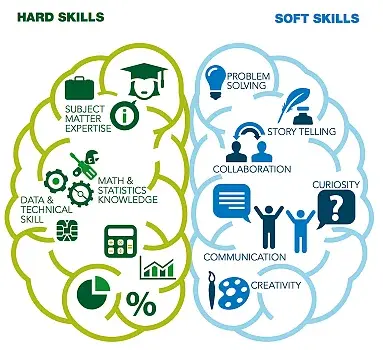
Before applying, you need to know what skills these companies actually test for. Specifically, Abuja firms want both tech skills and clear skills. Indeed, the best paid data scientists code well and speak clearly. They explain findings to non tech teams with ease. Here are the skills that matter most right now:

Technical Skills

  • Python: The top coding language for data roles in Abuja
  • SQL: A must for data queries needed in most data roles
  • R: Important for stats work roles, mostly in government and research organizations
  • Power BI and Tableau: The top data visuals tools requested by Abuja firms
  • ML tools: Scikit-learn, TensorFlow, and PyTorch for senior roles
  • Excel: Still widely used in govt and NGO roles
  • Cloud platforms: AWS, Google Cloud, or Azure experience is increasingly valued
  • Stats tools: SPSS, Stata, SAS for research roles


Soft Skills

  • Data storytelling: The ability to turn complex data into clear, useful insights
  • Business communication: Writing reports and sharing findings with non-tech teams
  • Problem-solving: Solving business problems with a data-first approach
  • Attention to detail: Catching data errors before they affect decisions
  • Project skills: Running many data projects at the same time, mostly in consulting


How to Land a Data Science Job in Abuja

Now that you know who is hiring and what they pay, let us cover how to get hired. Standing out in Abuja requires more than just tech skills. Also, how you present yourself online and in interviews matters a lot. So, follow these steps to boost your chances of landing a role:

Six Steps to Get Hired Faster

  • First, build a strong portfolio: Create 3-5 projects using Nigerian or African datasets. Notably, local data projects resonate strongly with Abuja firms who want to see relevant, context-aware analysis.
  • Next, get certified: Google, Microsoft, and IBM certs signal credibility to hiring managers. Plus, certs show that you have committed to structured learning beyond self-study.
  • Next, update your LinkedIn profile: Include your skills, projects, and certifications. Indeed, recruiters at CBN, MTN, Deloitte, and UN groups now source candidates on LinkedIn in Abuja.
  • Also, use the right job platforms: Check LinkedIn, Jobberman, MyJobMag, NgCareers, and the careers pages of specific target firms. Also, follow NITDA and NBS on social media for government job announcements.
  • At the same time, network actively: Attend Abuja Tech Hub events, GDG Abuja meetups, and data science webinars. So, many data science roles in Abuja are filled through referrals before they are even advertised publicly.
  • Above all, tailor your applications: Match your CV keywords to each job description. Use the exact tools listed in the job post to pass applicant tracking systems.


Best Job Platforms to Find Data Science Jobs in Abuja

In addition to company websites, several job platforms list data science roles in Abuja. So, here are the best platforms to check each week:

  • LinkedIn Nigeria: The most top platform for data science job listings in Abuja set alerts for data science roles
  • Nigeria’s biggest job board has a tech and data section
  • Lists data roles from Nigerian firms and NGOs
  • A solid Nigerian job board with govt and private roles
  • Indeed Nigeria (ng.indeed.com): Pulls listings from many sources and firm sites
  • Andela Talent Network (andela.com): For remote data science roles with global clients
  • int: The top platform for data roles at UN groups, INGOs, and development bodies in Abuja
  • com: Great for USAID, World Bank, and donor-funded data roles


Frequently Asked Questions (FAQs)

Q1: So, Are Data Science Jobs in Demand in Abuja?

Yes, absolutely. Specifically, data science demand in Abuja grows fast. This is due to its large number of state groups, global bodies, and banks. Also, digital change across all sectors creates new data roles every quarter. As a result, skilled data scientists in Abuja face less rivalry than in most cities.

Q2: Additionally, Do I Need a Degree to Get a Data Science Job in Abuja?

Not necessarily. Many firms prefer a degree in statistics or computer science. However, others care more about skills than formal credentials. In fact, a strong portfolio plus a Google, IBM, or Microsoft cert can open doors even without a degree. Plus, bootcamp graduates and self-taught learners are landing junior data roles in Abuja too.

Q3: Furthermore, What is the Average Salary for a Data Scientist in Abuja?

Generally speaking, entry-level data scientists earn N250,000 to N400,000 per month in Abuja. However, mid level experts earn N450,000 to N700,000. Senior data scientists, mostly at global bodies, earn N750,000 and above. Plus, UN and NGO roles often pay in dollars. This means total pay is much higher in practice.

Q4: Also, Which Companies Pay the Most for Data Science Roles in Abuja?

To start, global bodies like the World Bank, UN groups, and USAID tend to offer the highest pay because of their dollar based pay structures. Also, oil and gas companies like NNPC and upstream operators also pay very well. Also, Andela placements offer strong dollar pay for remote data scientists in Abuja.

Q5: Finally, How Long Does it Take to Get a Data Science Job in Abuja?

That depends on where you start, but the timeline is manageable. However, most people are ready to apply after 6-12 months of steady study. Getting one certificate and building 3-5 projects helps a lot. Notably, junior analyst roles are the easiest entry point. Many people then move into full data science roles within 1-2 years. So, start with a clear goal and build from there.


Conclusion

Ultimately, Abuja offers some of the best data science chances in Nigeria right now. Strong data science skills can take you far in Abuja. This holds true whether you target the CBN, World Bank, MTN, or Stanbic IBTC. In addition, many sectors are hiring. This means you can find a role that fits both your skills and your interests.

Your Next Step Starts Today

To that end, pick one or two target firms from this list. Then study their needs, close skill gaps, and build a portfolio that fits their needs. Also, set up job alerts on LinkedIn and Jobberman so you never miss a new role. As a final thought, consistency beats speed. A focused, tailored application always beats dozens of generic CVs. In today’s Abuja, data science is more than a career. Above all, it is one of the fastest routes to financial freedom and real impact.

https://www.abujadataschool.com/data-analysis/

Data-Analytics-Courses-in-Nigeria-Explore-the-Best-Course-Options

From Zero to Data Scientist in Abuja | Abuja Data School

5c90d49e-e57d-4789-a729-334980458fe0-cc522b69c4f7

Are you searching for data analytics courses in Abuja? If so, you are in the right place. Not only does this guide list the best free and paid courses, but it also gives you real salary data. Furthermore, it helps you pick the right programme for your goals. In short, you will find everything you need right here.

Specifically, data analytics is one of the fastest-growing fields in Nigeria today. Notably, according to reports, demand for data professionals has grown by over 40% in three years. In addition, Abuja has become a top hub for government and corporate data roles. Therefore, learning data analytics here gives you a strong career edge. Above all, the job market in Abuja rewards data skills very well right now.


So, Why Learn Data Analytics in Abuja?

Simply put, Abuja is more than Nigeria’s capital city. In fact, it is also a growing tech and business hub. For this reason, data skills are in high demand here. As a result, employers compete to hire trained analysts. Consequently, salaries are rising fast. Below are the top reasons to build data analytics skills in Abuja:

  • Federal ministries and agencies need data experts to guide policy decisions
  • The World Bank, UN, and USAID all have offices in Abuja and hire data professionals
  • Fintech, healthtech, and edTech startups create new data roles every quarter
  • NITDA actively promotes digital skills training across the FCT
  • Entry-level data analyst salaries in Abuja start from N150,000 to N300,000 per month

In short, Abuja offers great conditions for data analytics careers. Whether you learn online or in a classroom, good options exist for every budget.


So, What Does a Data Analytics Course Cover?

Before you pick a course, it helps to know what to expect. This way, you can choose with confidence. To begin with, most good courses cover these core skills. As you progress, furthermore, each skill builds on the last. That means the learning process becomes much more manageable over time:

  • Data types, statistics, and basic probability
  • Data collection and cleaning
  • Microsoft Excel for analysis
  • SQL for querying databases
  • Power BI and Tableau for data visualization
  • Python or R for advanced analytics
  • Machine learning basics (in advanced courses)
  • Business intelligence and data storytelling
  • Real projects and portfolio building


Top Free Data Analytics Courses for Abuja Learners

You do not need money to start learning data analytics. In fact, many top platforms offer free courses right now. Consequently, there is no reason to wait. Therefore, here are the best free options available to you today:

1. Google Data Analytics Certificate (Coursera)

To start, the Google Data Analytics Certificate is one of the most popular courses in the world. Specifically, Google built it for complete beginners, so you go from zero to job ready step by step. In addition, Google updates the course often. As a result, the skills you learn stay current with what employers want.

  • Duration: About 6 months at 10 hours per week
  • Cost: Free to audit; financial aid is available for the full certificate
  • Skills: Spreadsheets, SQL, R, Tableau, data visualization
  • Best for: Complete beginners
  • Access: coursera.org open to all Abuja learners

Specifically, this certificate is well known in Nigeria. Moreover, Abuja employers in tech and finance now ask for it during hiring. Therefore, it gives you one of the best returns on your time.

2. Microsoft Power BI for Beginners (Microsoft Learn)

Equally important, Microsoft Learn offers a free Power BI learning path. Indeed, Power BI is one of the most wanted tools in Nigerian companies. Because many Abuja firms use Microsoft products, this skill adds value fast. In addition, the path links directly to a paid certification exam. As a bonus, Microsoft adds new lessons often to keep the content fresh.

  • Cost: Free
  • Duration: 8-12 hours
  • Platform: learn.microsoft.com
  • Next step: Leads to the Microsoft PL-300 exam

3. IBM Data Analyst Certificate (Coursera)

As another great option, the IBM Data Analyst Certificate covers Excel, Python, SQL, and data visualization. Moreover, IBM certificates are well known in Nigeria’s fintech and telecoms sectors. For this reason, this course can open doors that other free courses may not. Furthermore, you build a real portfolio through hands on labs as you study.

  • Duration: About 3 months at 10 hours per week
  • Tools: Excel, Cognos Analytics, Python, SQL, Jupyter Notebooks
  • Cost: Free to audit; financial aid available for the full certificate

4. Data Analysis with Python (freeCodeCamp)

Similarly, freeCodeCamp delivers free, project-based analytics training. Naturally, it suits self motivated learners very well. Specifically, you learn NumPy, Pandas, Matplotlib, and Seaborn at your own pace. As a result, you can study around work or family life. Additionally, the community forums give you peer support when you get stuck.

  • Cost: 100% free
  • Duration: 300 hours
  • Output: A verified certificate after completing all projects
  • Best for: Hands-on learners who prefer practice over theory

5. NITDA / 3MTT Digital Skills Program

Just as importantly, the Nigerian Government runs the 3MTT programme through NITDA. Notably, it trains Nigerians in data and digital skills completely for free. In particular, Abuja residents get faster access because of their location in the FCT. Therefore, if you qualify, this is one of the smartest free moves you can make right now.

  • Cost: Free or heavily subsidized
  • Coverage: Data analysis, cloud computing, AI basics, and more
  • How to apply: Check NITDA’s website and social media for open enrollment windows
  • Note: Abuja residents often get priority access


Best Paid Data Analytics Courses and Certifications in Abuja

On the other hand, paid courses offer more structure and support. While free courses give you a good base, paid programmes add mentorship, feedback, and job placement help. With that in mind, here are the top paid options worth your investment:

1. ExploreAI Academy

First and foremost, ExploreAI Academy offers strong online data science programmes across Africa. Notably, their cohorts suit Nigerian professionals particularly well. In addition to the technical content, they focus heavily on career readiness. As a result, many graduates land jobs faster than self-taught peers.

  • Format: Online, cohort-based
  • Duration: 12-18 months
  • Cost: Varies; scholarships available for African applicants
  • Outcome: Certificate, mentorship, and career placement support

2. Side Hustle Internship (Data Analytics Track)

In addition, Side Hustle is a Nigerian founded learning community. Specifically, it runs data analytics internships for young professionals across Nigeria, including Abuja. Moreover, the cohort model creates a strong peer network. Consequently, many graduates say this network was their most valuable career asset.

  • Cost: Typically under N30,000 per cohort
  • Duration: 8 weeks
  • Skills: Excel, SQL, Power BI, data storytelling
  • Feature: Real business projects and peer collaboration
  • Certificate: Awarded on successful completion

3. Jobberman Data and Soft Skills Training

Beyond that, Jobberman Nigeria offers data skills training for job seekers in Abuja. Importantly, their courses combine data analysis with communication skills. As a result, graduates can contribute to teams from day one. Furthermore, Jobberman’s employer network can speed up your job search in Nigeria.

  • Cost: Free to low cost depending on cohort
  • Benefit: Direct links to job placement in Nigeria

4. Microsoft PL-300: Power BI Data Analyst Associate

Alternatively, the Microsoft PL-300 is a globally recognized certification. Indeed, it carries strong value in Nigeria’s banking, telecoms, and government sectors. in particular, it tells employers you can use Power BI at a pro level from day one. You can prepare using free Microsoft Learn content, then sit the exam at a Pearson VUE center in Abuja. Additionally, this cert is one of the most requested credentials by top Abuja employers.

  • Exam cost: About $165 USD
  • Prep: Free on Microsoft Learn; paid prep also on Udemy
  • Test center: Pearson VUE in Abuja
  • Value: Banks, telecoms, and government agencies actively seek this certification

5. Google Data Analytics Certificate (Paid via Coursera)

In the same vein, you can unlock the full Google certificate by subscribing to Coursera at about $49 per month. Notably, finishing in 3-4 months keeps the cost low. Moreover, this certificate now earns strong respect from Nigerian employers. As a result, it delivers a good return on investment for most learners.

  • Cost: About $49/month on Coursera (roughly N60,000-N80,000)
  • Duration: 3-6 months
  • Outcome: A shareable Google certificate for your LinkedIn profile

6. DataCamp

Furthermore, DataCamp focuses entirely on data skills. Specifically, it covers Python, SQL, R, Power BI, and Tableau through structured tracks. Beyond the courses, you also get real projects and skill tests. Consequently, many professionals use DataCamp to keep growing even after they land their first job.

  • Cost: About $25 USD/month (annual plans are cheaper)
  • Content: 400+ courses, projects, and skill assessments
  • Certificate: Awarded on track completion
  • Advantage: Practical, real-world curriculum

7. Local Training Institutes in Abuja

To round out the list, several Abuja institutes offer classroom-based data analytics training. Indeed, these are great if you learn better with face to face instruction. Moreover, local classes give you structure that online platforms often lack. In addition, local institutes run networking events that online platforms cannot offer. As a result, they suit learners who want community and accountability:

  • NIIT Abuja: Data analytics and business intelligence with physical classes
  • Aptech Abuja: Data science training with recognized certification paths
  • Roducate: Affordable online data analytics courses from a Nigerian platform
  • Digital Bridge Institute (DBI): Affordable digital skills training right in Abuja


Comparison Table: Best Data Analytics Courses in Abuja

Course Provider Cost Duration Best For
Google Data Analytics Coursera/Google Free (audit) 6 months Beginners
IBM Data Analyst Coursera/IBM Free (audit) 3 months Beginners
Power BI (Microsoft Learn) Microsoft Free 8-12 hours All levels
freeCodeCamp Data Analysis freeCodeCamp Free 300 hours Self-learners
3MTT/NITDA Program Nigerian Govt Free Varies Nigerian residents
Side Hustle Internship Side Hustle NG ~N30,000 8 weeks Young professionals
Microsoft PL-300 Microsoft/Pearson ~$165 exam Self-paced Working professionals
DataCamp Analytics Track DataCamp ~$25/month 3-6 months All levels
ExploreAI Academy ExploreAI Varies 12-18 months Career changers
NIIT/Aptech Abuja Local Institutes Varies 3-6 months Classroom learners


How to Choose the Right Data Analytics Course in Abuja

With so many choices, it is easy to feel lost. However, a few simple questions can point you in the right direction. To simplify things, consider these key factors before you enroll. Keep in mind that the best course depends on your personal situation:

  • Skill level: Do you know Excel or SQL already? For instance, if you do, skip the beginner courses and jump straight to SQL or Power BI.
  • Learning style: Do you prefer videos, reading, or practice tasks? For example, DataCamp and freeCodeCamp are very hands-on. Coursera, on the other hand, mixes video and reading.
  • Budget: Start with free courses first. Then invest in paid certs once you know you enjoy the work.
  • Career goal: Government roles in Abuja need Excel and Power BI. On the flip side, tech startups prefer Python and SQL.
  • Time: freeCodeCamp is self-paced. Side Hustle, however, runs on a fixed 8-week schedule.
  • Certificate value: Google and Microsoft certs carry the most weight in Nigeria’s job market right now.


Data Analytics Career Opportunities in Abuja

Once you finish a data analytics course, many career doors open in Abuja. As a result of strong demand, salaries keep rising each year. In addition, you can choose a role that fits your strengths — whether that is numbers, visuals, or storytelling. Here are the top roles to aim for:

  • Data Analyst: N150,000-N500,000/month based on experience
  • Business Intelligence Analyst: common in banks, telecoms, and government agencies
  • Data Visualization Specialist: high demand in NGOs and international organizations
  • Database Administrator: needed in both public and private sectors
  • Research Analyst: valued in think tanks and consulting firms
  • Marketing Data Analyst: growing in Abuja’s digital marketing sector


Top Employers Hiring Data Analysts in Abuja

Notably, major employers in Abuja include the CBN, NBS, World Bank, MTN Nigeria, Stanbic IBTC, and various federal ministries. For example, the NBS hires dozens of data professionals each year. Similarly, USAID and UNDP regularly post data roles in Abuja. Moreover, these international roles often come with dollar salaries a major earning advantage in today’s market.


Tips to Maximize Your Data Analytics Learning in Abuja

Beyond just enrolling, you need a plan to stand out. In other words, a certificate alone is not enough. Therefore, here are the steps that will get employers to notice you:

  • First, start a personal project: Use Nigerian datasets from NBS or data.gov.ng. Specifically, local data impresses local employers far more than generic practice datasets.
  • Next, build a portfolio: Upload projects to GitHub. Notably, Abuja employers increasingly ask for this during interviews, so this step carries real weight.
  • Additionally, network actively: Join She Code Africa Abuja, Abuja Tech Hub, and GDG Abuja to meet employers and peers face to face.
  • At the same time, update LinkedIn: Add your certs, skills, and project links. Indeed, many Abuja recruiters search LinkedIn daily, so a complete profile dramatically boosts your visibility.
  • Moreover, take free courses first: Confirm your interest before spending money on paid certs.
  • Above all, combine tools: Learn both Excel/Power BI and Python/SQL. As a result, versatility makes you far more hireable and gives you stronger salary negotiation power.


Why a Portfolio Matters More Than a Certificate

Furthermore, many hiring managers in Abuja say a strong portfolio outweighs a certificate on its own. In addition, projects show that you can solve real problems not just pass tests. Therefore, build at least two or three projects before you start applying for jobs. As a result, you will stand out from most other candidates who only list their certificates.


Frequently Asked Questions (FAQs)

Q1: So, Which Course is Best for Beginners in Abuja?

A: The Google Data Analytics Certificate on Coursera is the best place to start. Not only is it beginner-friendly, but it is also free to audit. Furthermore, Google’s name carries weight with Nigerian employers. Therefore, it is hard to beat as a first step.

Q2: Furthermore, Can I Get a Data Job in Abuja Without a Degree?

A: Yes, you can. While a degree helps, many Abuja employers now care more about skills than qualifications. In fact, a good portfolio plus a Google or Microsoft cert can replace a degree in many hiring situations. As a result, self-taught professionals enter the data analytics field in Abuja every year.

Q3: Also, How Long Does it Take to Learn Data Analytics?

A: Generally, most people build job ready skills in 3-6 months at 5-10 hours per week. However, advanced topics like machine learning take 12-18 months to master. In the meantime, you can apply for junior roles after just 3-4 months of solid practice.

Q4: Additionally, Are There Physical Classes in Abuja?

A: Yes. Specifically, NIIT Abuja, Aptech Abuja, and Digital Bridge Institute all run physical or hybrid classes. In addition, training centers in Wuse 2, Garki, and Maitama offer bootcamps throughout the year. Consequently, you have local options no matter where in Abuja you live.

Q5: Finally, What Does a Data Analyst Earn in Abuja?

A: To start, entry level analysts typically earn between N150,000 and N350,000 per month. Furthermore, mid level professionals with 2-4 years of experience earn N400,000-N700,000. Moreover, senior analysts at international organizations often earn in dollars. As a result, data analytics is one of the best paying entry paths in Abuja today.


Conclusion

Ultimately, there has never been a better time to learn data analytics in Abuja. Whether you start free with Google or Coursera, use the 3MTT programme, or join a local institute, the path is open to you. Moreover, the sheer variety of options means cost and experience level are no longer barriers. Therefore, your only real obstacle is getting started.

To that end, pick one course today. Then complete it, build a project, and start networking. As final thought, remember that daily practice beats occasional long sessions every time. Ultimately, data analytics is not just a skill, it is, above all, your competitive edge in today’s Nigeria.

https://www.abujadataschool.com/data-analysis/

Data_Scientist_Skills.

Top Data Science Skills Employers in Abuja Are Looking for Right Now

Abuja is rapidly transforming into one of Nigeria’s most exciting technology hubs. As federal ministries, financial institutions, telecoms giants, and a growing wave of tech startups race to make data-driven decisions, the demand for skilled data science professionals in the FCT has never been stronger. So, what do Abuja employers actually look for when they post those job listings?

Whether you are a fresh graduate entering the job market, a professional pivoting into tech, or an experienced analyst ready to level up, understanding which data science skills employers in Abuja actively seek can make the difference between a rejected application and a job offer. In this article, we break down the most in-demand technical and soft skills you need to thrive in Abuja’s data science landscape right now.


Why Abuja’s Data Science Market Is Booming

Nigeria’s capital city has traditionally carried an association with government and policy work. However, a significant digital shift is now well underway. The federal government’s push toward e-governance, digital public services, and data-driven policymaking has created a surge in demand for data professionals across MDAs (Ministries, Departments, and Agencies). At the same time, Abuja’s expanding private sector particularly in banking, health technology, telecommunications, and real estate continues to invest heavily in analytics and business intelligence.

As a result, Abuja-based employers no longer want candidates who simply know how to run reports. Instead, they seek professionals who can extract actionable insights, build predictive models, and communicate findings clearly to non-technical decision-makers. With that context in mind, here is exactly what the market currently looks for.


1. Python and R Programming

Without question, programming proficiency forms the foundation of any data science role in Abuja. Python continues to lead as the language of choice across most organizations and for good reason. Its versatility, massive library ecosystem, and relatively gentle learning curve make it the go to tool for everything from data cleaning to model deployment. R, on the other hand, remains popular in research heavy environments, particularly in public health, academia, and government statistical departments.

What Abuja employers specifically look for:

  • Proficiency in Python libraries such as Pandas, NumPy, Matplotlib, Seaborn, and Scikit-learn.
  • Experience writing clean, reproducible code that can be shared and maintained by teams.
  • Ability to work with R for statistical computing and data visualization where needed.
  • Familiarity with Jupyter Notebooks or similar environments for exploratory data analysis.

Importantly, candidates who demonstrate real projects through GitHub repositories, portfolio websites, or previous work samples consistently stand out in Abuja’s competitive hiring process. Therefore, building a visible portfolio is no longer optional; it is essential.


2. Data Wrangling and SQL

Raw data is rarely clean, and every hiring manager in Abuja knows this. Data wrangling the process of cleaning, transforming, and preparing data for analysis consistently tops the list of non-negotiable skills. Equally critical is SQL (Structured Query Language), which remains the primary tool for querying relational databases across all major industries in Nigeria.

Key competencies employers expect:

  • Writing complex SQL queries including JOINs, subqueries, window functions, and aggregations.
  • Experience with relational databases such as PostgreSQL, MySQL, or Microsoft SQL Server.
  • Ability to handle missing values, duplicates, outliers, and inconsistent data formats.
  • Familiarity with data pipelines and ETL (Extract, Transform, Load) processes.

In Abuja’s government and banking sectors especially, professionals who can extract meaningful data from large, messy institutional databases deliver enormous value. Consequently, SQL mastery is one of the fastest returns on investment you can make in your skill development journey


3. Machine Learning and Predictive Modelling

Machine learning has shifted from a buzzword to a core expectation in many Abuja data science job descriptions. Organizations in finance, telecommunications, and health now deploy ML models for customer churn prediction, fraud detection, credit scoring, and disease surveillance. Employers want candidates who understand not just how to use machine learning algorithms, but when and why to apply them in a given business context.

In-demand machine learning competencies:

  • Supervised learning: regression, classification, decision trees, random forests, and gradient boosting methods like XGBoost.
  • Unsupervised learning: clustering techniques such as K-Means and hierarchical clustering.
  • Model evaluation: cross-validation, confusion matrices, ROC curves, and avoiding overfitting.
  • Basic knowledge of deep learning frameworks such as TensorFlow or PyTorch is increasingly valued.
  • Experience deploying ML models into production environments, even at a basic level.

Notably, candidates who point to specific models they have built and the measurable business impact those models created consistently earn preference over applicants with purely theoretical knowledge. In short, results matter more than credentials.


4. Data Visualization and Business Intelligence Tools

Technical analysis means little if a professional cannot communicate it effectively. Abuja employers particularly those in the public sector, NGOs, and corporate environments place enormous value on data professionals who can turn complex findings into clear, compelling visual narratives. As a result, tools like Power BI, Tableau, and advanced Excel dashboards now appear routinely in job requirements.

Visualization skills in demand:

  • Proficiency in Power BI, with the ability to create interactive dashboards and reports.
  • Experience with Tableau for both exploratory analysis and executive level reporting.
  • Using Python libraries (Matplotlib, Seaborn, Plotly) for custom visualizations.
  • Storytelling with data structuring insights in a way that drives decision-making.

Furthermore, the ability to present a data story to a room full of policymakers or C-suite executives without drowning them in technical jargon is one of the most sought-after yet underrated skills across all of Abuja’s hiring landscape.

Foundational-job-skills-for-data-scientists.


5. Statistical Analysis and Mathematics Fundamentals

A solid grounding in statistics separates a competent data scientist from a truly exceptional one. Employers in Abuja especially in research institutions, federal agencies, and health organizations want candidates who grasp the mathematics behind the models they run, not just those who execute functions from a library without deeper understanding.

Statistical competencies that matter:

  • Descriptive statistics: mean, median, variance, standard deviation, and common distributions
  • Inferential statistics: hypothesis testing, confidence intervals, p-values, and t-tests
  • Probability theory and Bayesian reasoning for robust decision-making under uncertainty
  • Experimental design and A/B testing methodologies to validate business decisions
  • Time series analysis for financial and operational forecasting — a growing priority in Nigerian banking and telecoms

As a result, candidates with strong quantitative backgrounds particularly those from mathematics, statistics, engineering, or economics often carry a distinct edge in roles that demand rigorous analytical thinking. If your math’s foundation is shaky, addressing it now will pay dividends throughout your career.


6. Big Data Technologies and Cloud Platforms

Nigerian organizations now accumulate larger and more complex datasets than ever before. Because of this, familiarity with big data tools and cloud infrastructure appears more frequently in Abuja job descriptions each quarter. While these skills are not universally mandatory at junior levels, they significantly strengthen mid-level and senior candidates’ profiles and they fast-track promotion timelines.

Technologies gaining traction in Abuja’s job market:

  • Apache Spark and Hadoop for processing and analyzing large-scale datasets efficiently
  • Cloud platforms: Microsoft Azure leads in many Nigerian organizations, followed by Google Cloud Platform (GCP) and Amazon Web Services (AWS)
  • Cloud-based data warehousing tools such as Big Query or Azure Synapse Analytics for scalable storage and querying
  • Basic Docker knowledge for packaging and deploying data applications in consistent environments

Specifically, professionals targeting roles in telecoms, fintech, or large federal agencies managing national-level data will find that big data and cloud skills are fast becoming essential not merely a bonus. Earning a Microsoft Azure or Google Cloud certification, therefore, is a strategic move worth making.


7. Communication and Stakeholder Management

Abuja is a city of institutions, ministries, embassies, multilateral agencies, and corporate headquarters. Data science professionals who work in this environment must feel comfortable interacting with senior officials, project managers, and non-technical stakeholders every day. Employers consistently rank soft skills as a critical differentiator between otherwise equally qualified candidates.

Soft skills Abuja employers rank highly:

  • Written and verbal communication: producing clear reports, polished presentations, and accessible technical documentation
  • Stakeholder management: framing technical constraints and findings in language that resonates with decision-makers rather than data teams
  • Critical thinking and problem-solving: approaching ambiguous business challenges with structured, evidence-based frameworks
  • Teamwork and collaboration: contributing productively within cross-functional teams that combine engineers, policy advisors, and business analysts
  • Adaptability: proactively staying current with rapidly evolving tools, techniques, and methodologies

In practice, many Abuja organizations expect the data scientist to bridge the technical team and senior leadership. Professionals who speak both languages fluently technical and managerial are worth considerably more to employers than those who master only one side of that equation.


8. Domain Knowledge in Key Abuja Sectors

Beyond generic data science skills, employers in Abuja increasingly value candidates with relevant domain expertise. Understanding the specific challenges and data landscapes of key local industries gives candidates a decisive, practical edge that technical skills alone cannot provide.

High-value sectors in Abuja’s data economy:

  • Public Sector and Policy: Experience interpreting government datasets, national surveys, and development indicators is especially valuable inside MDAs and multilateral organizations such as UNDP, the World Bank, and other UN agencies with Abuja offices.
  • Financial Services: Knowledge of credit risk, fraud analytics, anti-money laundering (AML) frameworks, and regulatory compliance data gives candidates a significant advantage with banks and fast-growing fintech firms.
  • Health and Public Health: Familiarity with epidemiological data, DHIS2 (District Health Information Software), and health outcome metrics is a growing priority for organizations operating in Nigeria’s health sector.
  • Telecommunications: Understanding of network analytics, customer behavior data, and churn modelling matters greatly for companies like MTN, Airtel, and Glo, each of which maintains major operations in Abuja.


How to Position Yourself for the Abuja Data Science Market

Breaking into or advancing within Abuja’s data science job market takes a deliberate, well executed strategy. Fortunately, several actions consistently produce results for job seekers at every experience level.

  • First, build a project portfolio that solves real Nigerian problems. Analyze publicly available Nigerian government datasets, create health dashboards from NCDC data, or model economic indicators from the National Bureau of Statistics. Local relevance resonates strongly with Abuja hiring managers.
  • Additionally, earn globally recognized certifications from platforms such as Google, Microsoft, Coursera, or DataCamp. Azure and Google Cloud certifications carry particular weight with employers across the FCT.
  • Meanwhile, network actively within Abuja’s growing data community. Industry events, professional meetups, and LinkedIn connections are powerful tools for reaching hiring managers before roles even go public.
  • Similarly, tailor your CV and cover letter to highlight domain-relevant experience for each specific sector you target government roles require different framing than private sector or NGO positions.
  • Finally, stay updated on Nigeria-specific data challenges: electoral data integrity, public health surveillance, financial inclusion, and agricultural productivity analytics are all areas where skilled professionals remain urgently needed right now.


Final Thoughts

Abuja’s data science job market is expanding at a remarkable pace, and the momentum shows no sign of slowing. Employers across both public and private sectors no longer want people who have simply heard of machine learning. Instead, they want professionals who can roll up their sleeves, work with real-world data, and deliver insights that genuinely change how organizations make decisions.

Ultimately, the professionals who thrive in this market combine strong technical foundations with clear communication, relevant domain knowledge, and a habit of continuous learning. The opportunity in Abuja is real and growing. The only question that remains is whether your skill set is ready to meet it and with focused effort, it absolutely can be.

https://www.abujadataschool.com/data-analysis/

best ai tools for productivity in Nigeria

AI Automation Tools for Workflow Optimization

In today’s rapidly evolving digital landscape, artificial intelligence (AI) has become a cornerstone for business innovation, efficiency, and competitiveness, and as Artificial Intelligence Automation Training in Abuja for professionals is helping build highly skilled AI practitioners, AI From automating mundane tasks to gaining valuable insights from massive datasets, AI tools are transforming how companies operate. For any business aiming to stay ahead, leveraging key AI technologies is not just an advantage- it’s a necessity. This article explores must-have AI tools that every business should consider integrating into their workflow.


ai training in abuja nigeria


  1. Chatbots and Virtual Assistants: Enhancing Customer Experience

Artificial Intelligence Training in Abuja of AI-powered chatbots, such as ChatGPT by OpenAI or Drift, are revolutionizing customer service. These tools enable businesses to off 24/7 support, reduce response times, and increase customer satisfaction. Unlike traditional bots, modern AI assistants understand natural language and context, allowing for more personalized and intelligent interactions. According to Gartner (2022), businesses that implement AI chatbots experiences a 25% reduction in call and email inquiries. This not only cuts operational costs but also frees up human agents to focus on more complex issues.


  1. AI-Powered Analytics: Making Data-Driven Decisions

Data is the new oil, and tools like Google Cloud AI, IBM Watson Analytics, and Tableau with AI capabilities help businesses extract meaningful insights from vast datasets. These tools use machine learning to analyze trends, predict outcomes, and suggest actions. Abuja Data School trains on how to utilize data science tools for predictive analytics and artificial intelligence training in Abuja Nigeria.

For example, a retail company can use predictive analytics to forecast demand, optimize inventory, and improve supply chain efficiency. The ability to act on real-time insights can be the difference between profit and loss in competitive markets.


  1. AI for Marketing Automation: Smarter Campaigns

Artificial Intelligence Training at Abuja Data School is a top tier course for market intelligence. Marketing departments are increasingly turning AI tools like HubSpot, Salesforce Einstein, and Persado to streamline campaign management, segment audiences, and personalize content. These platforms use machine learning algorithms to predict customer behavior and optimize email campaigns, social media posts, and ads.

A report by McKinsey & Company (2023) found that AI-enhanced marketing tools can improve ROI by up to 30% due to better targeting and personalization. This level of precision is crucial in capturing and retaining customer attention in saturated digital spaces.


best ai tools for productivity in abuja nigeria

  1. AI in Human Resources: Smarter Hiring and Engagement

AI is reshaping HR functions through tools like HireVue, Pymetrics, and Linkedin Talent Insights. These platforms aids in screening resumes, analyzing video interviews, and predicting candidate success based on behavioral data.

Moreover, AI-driven employee engagement tools can monitor workplace sentiment and suggest ways to boost morale and productivity. According to Deloitte’s Human Capital Trends (2023), organizations using AI in HR report higher levels of employee satisfaction and lower turnover rates.


  1. AI in Cybersecurity: Proactive Protection

With cyber threats becoming more sophisticated, businesses must protect their digital assets. AI cybersecurity tools such as Darktrace, CrowdStrike, and Cylance can detect anomalies, flag unusual behavior, and respond to threats in real time.

These systems learn from each interaction, continually improving their ability to detect and respond to new threats faster than traditional security methods. This proactive approach significantly reduces the risk of data breaches and ensures compliance with data protection regulations.


Understanding AI Tools Will Improve Productivity

The integration of AI into core business functions is no longer a luxury-it’s a strategic imperative. From improving customer engagement to securing sensitive data, AI tools are streamlining operations and driving smarter decisions. Businesses that embrace these technologies stand to gain a competitive edge, improved efficiency, and greater innovation potential.

However, it’s essential for businesses to choose AI tools that align with their specific needs and ensure ethical use of data. By doing so, they can harness the full potential of artificial intelligence to thrive in the modern economy.


Enroll in our class sessions for Artificial Intelligence Automation Training in Abuja, Nigeria.


Hi, How Can We Help You?