Are you searching for the best data analytics courses in Abuja? Whether you are a fresh graduate, a working professional who wants to upskill, or an entrepreneur chasing smarter business decisions, this guide is exactly what you need. Not only does it walk you through free online resources, but it also spotlights premium certifications that top employers across Nigeria and beyond now actively seek. Furthermore, it gives you honest salary data and career guidance so that you can make a fully informed decision before you spend a single naira.
Data analytics ranks among the fastest growing career fields in Nigeria today. According to industry reports, demand for data professionals in Nigeria has surged by over 40% in just three years. In addition, Abuja as the nation’s capital has emerged as a key hub for government, NGO, and corporate data roles. Therefore, the sections below help you find the right course, understand real costs, and set clear career expectations before you commit to a programme. Above all, this guide saves you the hours of research you would otherwise spend comparing dozens of options on your own.
Why Learn Data Analytics in Abuja?
Abuja is not just Nigeria’s political capital, it is steadily growing into a technology and innovation hub as well. For this reason, data analytics skills carry exceptional value for professionals who live and work here. As a result, demand for trained analysts continues to outpace supply across every major sector in the city. Consequently, employers now offer higher salaries and more flexible work arrangements to attract skilled data professionals. Below are the key reasons why building data analytics skills in Abuja makes strong career sense right now:
- High demand from federal ministries, agencies, and parastatals for data-driven policy decisions
- Strong presence of multinational organizations, NGOs, and development agencies such as the World Bank, UN, and USAID, all of which rely heavily on data analysis
- Expanding fintech, healthtech, and edtech startups that actively create new data roles every quarter
- Nigeria’s National Information Technology Development Agency (NITDA) actively promotes digital skills training across the FCT
- Competitive salaries for data analysts — entry-level positions in Abuja often start from N150,000 to N300,000 per month
whether you prefer in person training at a physical center in Abuja or flexible online learning, a data analytics course exists that fits your schedule and budget perfectly.
What Does a Data Analytics Course Cover?
Before you explore the specific courses below, take a moment to understand what a quality programme includes. This way, you can compare options with confidence and pick the one that truly matches your goals. To begin with, most reputable data analytics courses teach the following core skills:
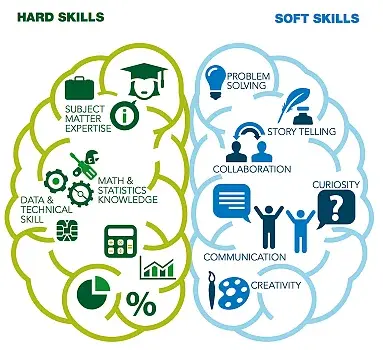
- Foundations of data analysis: data types, statistics, and probability
- Data collection and cleaning techniques
- Microsoft Excel for data analysis
- SQL (Structured Query Language) for querying databases
- Data visualization tools such as Power BI and Tableau
- Python or R programming for advanced analytics
- Machine learning fundamentals (in advanced courses)
- Business intelligence and storytelling with data
- Real-world projects and portfolio development
Top Free Data Analytics Courses Available to Abuja Learners
You do not always need to spend money to launch your data analytics journey. In fact, several reputable platforms offer free or low cost courses that Abuja residents can access online right now. Here are the best free options to consider:
1. Google Data Analytics Certificate (Coursera , Free Audit)
To start, the Google Data Analytics Professional Certificate on Coursera ranks among the most popular entry level programmes worldwide. Google designed it to take learners from zero experience to job ready skills, covering data cleaning, analysis, visualization, and R programming step by step.
- Duration: Approximately 6 months at 10 hours per week
- Cost: Free to audit; Google and Coursera offer financial aid so you can earn the full certificate at no cost
- Skills covered: Spreadsheets, SQL, R programming, Tableau, data visualization
- Ideal for: Absolute beginners with no prior experience
- Access: Available online at coursera.org fully accessible to all Abuja learners
Specifically, Google’s certificate carries strong brand recognition, and employers across Nigeria including companies in Abuja’s tech and finance sectors now actively request it during hiring.
2. Microsoft Power BI for Beginners (Microsoft Learn)
Equally important, Microsoft Learn provides a free, self paced learning path dedicated entirely to Power BI one of the most in demand data visualization tools in Nigerian corporate environments. Because many Abuja based organizations run on Microsoft ecosystems, Power BI skills deliver immediate workplace value for anyone who completes this path.
- Cost: Completely free
- Duration: 8-12 hours depending on pace
- Platform: learn.microsoft.com
- Certification pathway: This path leads directly to the paid Microsoft PL-300 exam
3. IBM Data Analyst Professional Certificate (Coursera, Free Audit)
As another strong option, IBM’s data analyst programme on Coursera covers Excel, Python, SQL, and data visualization in a structured sequence. Moreover, IBM certificates earn strong recognition in Nigeria’s fintech and telecoms sectors, both of which maintain major offices in Abuja.
- Duration: About 3 months at 10 hours per week
- Tools covered: Excel, Cognos Analytics, Python, SQL, Jupyter Notebooks
- Certification: You can earn the full certificate upon payment, and financial aid options exist for Nigerian applicants
4. Data Analysis with Python (freeCodeCamp)
Similarly, freeCodeCamp a nonprofit learning platform delivers completely free, project based data science and analytics training. Its Data Analysis with Python certification costs nothing and teaches NumPy, Pandas, Matplotlib, and Seaborn through hands-on exercises that you complete entirely at your own pace.
- Cost: 100% free, no hidden fees
- Duration: 300 hours of coursework
- Output: You earn a verified certification upon completing all required projects
- Best for: Learners who prefer hands-on, project-based learning over passive video watching
5. NITDA/3MTT Digital Skills Program
Just as importantly, Nigeria’s Federal Government, through NITDA and the 3 Million Technical Talent (3MTT) programme, actively trains Nigerians including Abuja residents in digital and data skills. This initiative delivers free or heavily subsidized training through partnerships with tech companies and training institutes across the country.
- Cost: Free or highly subsidized for eligible Nigerians
- Coverage: Data analysis, cloud computing, AI basics, and more
- How to apply: Monitor NITDA’s official website and social media channels for enrollment windows
- Note: Abuja residents often gain faster access because of their proximity to the Federal Capital Territory
Best Paid Data Analytics Courses and Certifications in Abuja
On the other hand, if you want structured, instructor-led training complete with mentorship, networking, and career support, several paid options stand out both locally in Abuja and through globally recognized online platforms. Here is a detailed look at each one:
1. ExploreAI Academy Data Science Programs
First and foremost, ExploreAI Academy (formerly EXPLORE Data Science Academy) has expanded its programs across Africa and now delivers data science and analytics training entirely online. Their structured cohorts suit Nigerian professionals well, particularly those in Abuja who want a long term, career focused learning path with ongoing mentorship.
- Format: Online, cohort-based
- Duration: 12-18 months for full programmes
- Cost: Varies; the academy offers scholarships for African applicants
- Outcome: You graduate with an industry-recognized certificate, mentorship, and career placement support
2. Side Hustle Internship Program Data Analytics Track
In addition to that, Side Hustle is a Nigerian founded tech learning community that runs data analytics internship programmes for young professionals across Nigeria, including Abuja. The programme delivers practical, mentorship-driven training at a price point that most learners can afford without financial strain.
- Cost: Affordable (typically under N30,000 per cohort)
- Duration: 8 weeks
- Skills covered: Excel, SQL, Power BI, data storytelling
- Unique feature: Real-world business projects and structured peer collaboration
- Certificate: You receive a certificate upon successful completion of all projects
3. Jobberman Soft Skills and Data Training
Beyond that, Jobberman Nigeria, through partnerships with various organizations, delivers data skills training that directly benefits job seekers in Abuja. Their programmes focus on workplace ready skills, combining data analysis with communication and professional development so that graduates can contribute to teams from day one.
- Cost: Free to low cost (varies by cohort and sponsor)
- Relevance: Jobberman directly connects graduates to active job placement opportunities in Nigeria
4. Microsoft Certified: Power BI Data Analyst Associate (PL-300)
Alternatively, professionals who want a globally recognized credential should seriously consider the Microsoft PL-300 certification. Nigeria’s corporate sector values this credential highly, and you can prepare using free Microsoft Learn resources before you sit the exam at a Pearson VUE test center in Abuja.
- Exam cost: Approximately $165 USD (subject to change)
- Preparation: Microsoft Learn offers free prep resources; Udemy also hosts paid prep courses
- Test centers: Pearson VUE test centers in Abuja administer this exam
- Recognition: Banks, telecoms, and government agencies in Nigeria actively seek candidates who hold this certification
5. Google Professional Data Analytics Certificate (Paid)
In the same vein, if you want the full Google Data Analytics certificate beyond the free audit you can subscribe to Coursera at approximately $49 USD per month. Completing the programme in 3-4 months keeps the total investment manageable, and Google certificates now earn increasing recognition from Nigerian employers who value structured, skills-based credentials.
- Cost: ~$49/month on Coursera (roughly N60,000-N80,000 at current exchange rates)
- Duration: 3-6 months depending on pace
- Outcome: You receive a shareable Google certificate to display on your LinkedIn profile
6. DataCamp Subscriptions
Furthermore, DataCamp dedicates its entire platform to data skills, making it one of the most focused learning environments available to Abuja learners. It offers analyst tracks covering Python, SQL, R, Power BI, and Tableau. An annual subscription unlocks unlimited access to all courses and career tracks at a reasonable monthly cost.
- Cost: Approximately $25 USD/month (discounts apply to annual plans)
- Content: 400+ courses, real-world projects, and skill assessments
- Certificate: DataCamp awards career track certificates upon completion of each track
- Advantage: A highly practical curriculum built around real-world datasets
7. Local Training Institutes in Abuja
To round out the list, several physical and hybrid training institutes in Abuja deliver instructor led data analytics courses for learners who prefer face to face interaction and a structured classroom environment. These institutes serve as valuable alternatives when you want local support alongside your online studies:
- NIIT Abuja: Delivers data analytics and business intelligence programmes with physical classes
- Aptech Abuja: Offers data science and analytics training with well recognized certification pathways
- Roducate: A Nigerian ed-tech platform that offers affordable data analytics courses online
- Digital Bridge Institute (DBI): NITDA’s training arm, which runs affordable digital skills training right in Abuja
Comparison Table: Best Data Analytics Courses in Abuja
| Course | Provider | Cost | Duration | Best For |
| Google Data Analytics | Coursera/Google | Free (audit) | 6 months | Beginners |
| IBM Data Analyst | Coursera/IBM | Free (audit) | 3 months | Beginners |
| Power BI (Microsoft Learn) | Microsoft | Free | 8-12 hours | All levels |
| freeCodeCamp Data Analysis | freeCodeCamp | Free | 300 hours | Self-learners |
| 3MTT/NITDA Program | Nigerian Govt | Free | Varies | Nigerian residents |
| Side Hustle Internship | Side Hustle NG | ~N30,000 | 8 weeks | Young professionals |
| Microsoft PL-300 (Power BI) | Microsoft/Pearson | ~$165 exam | Self-paced prep | Working professionals |
| DataCamp Analytics Track | DataCamp | ~$25/month | 3-6 months | All levels |
| ExploreAI Academy | ExploreAI | Varies | 12-18 months | Career changers |
| NIIT/Aptech Abuja | Local Institutes | Varies | 3-6 months | Classroom learners |
How to Choose the Right Data Analytics Course in Abuja
With so many options on the table, choosing the right course can feel overwhelming at first. However, narrowing down your choice becomes much easier when you apply a few clear criteria. To simplify your decision, consider the following factors before you enroll:
- Your current skill level: Do you already know Excel or SQL, or do you start from scratch? For instance, if you already use Excel at work, skip beginner spreadsheet courses and move directly to SQL or Power BI.
- Your learning style: Do you prefer video lectures, reading, or hands on practice? Platforms like DataCamp and freeCodeCamp lean heavily practical, while Coursera blends video and reading in a more balanced way.
- Your budget: Start with free resources if cost is a concern. Build a solid foundation first, and then invest in paid certifications once you confirm your genuine interest in the field.
- Your career goal: If you target roles in Abuja’s government sector, Microsoft tools like Excel and Power BI are essential. On the flip side, if you aim for startups or tech companies, Python and SQL carry more weight during hiring.
- Time availability: Some programmes like freeCodeCamp are fully self paced and flexible; others like Side Hustle run in structured 8 week cohorts that require weekly commitment throughout.
- Certificate recognition: Google and Microsoft certifications currently carry the most weight in Nigeria’s job market, so prioritize them when you are ready to invest.
Data Analytics Career Opportunities in Abuja
Completing a data analytics course opens the door to a wide range of career paths right here in Abuja. As a result of this growing demand, salaries for data professionals in the city continue to rise each year. Here are the most common roles and their typical salary ranges:
- Data Analyst: typically N150,000-N500,000/month depending on experience and sector
- Business Intelligence Analyst: Banks, telecoms, and government agencies across the FCT actively hire for this role
- Data Visualization Specialist: NGOs and international development organizations place high demand on this skill
- Database Administrator: Both the public and private sectors actively recruit for this position
- Research Analyst: Think tanks, policy organizations, and management consulting firms prize this role highly
- Marketing Data Analyst: This role grows steadily in Abuja’s expanding digital marketing and e-commerce ecosystem
Notably, major employers of data analytics talent in Abuja include the Central Bank of Nigeria (CBN), National Bureau of Statistics (NBS), World Bank Nigeria offices, United Nations agencies, MTN Nigeria, Stanbic IBTC, and various federal ministries. For example, the NBS alone hires dozens of data professionals annually to support national statistics reporting.
Tips to Maximize Your Data Analytics Learning in Abuja
Beyond enrolling in a course, you need a clear strategy to stand out in a competitive job market. Here are practical steps you can take right now to accelerate your growth and catch the attention of employers:
- First, start a personal project: Use publicly available Nigerian datasets from NBS or data.gov.ng to practice your skills on real, local data that Nigerian employers find immediately relevant.
- Next, build a portfolio: Create a GitHub account and upload your analysis projects. Employers in Abuja increasingly ask for portfolio links during interviews, so this step carries significant weight.
- Additionally, network actively: Join Abuja-based tech communities such as She Code Africa Abuja, Abuja Tech Hub meetups, and Google Developer Groups (GDG Abuja) to meet potential employers and collaborators.
- At the same time, get LinkedIn ready: Update your LinkedIn profile with your certifications, skills, and project links. Many Abuja-based recruiters search LinkedIn daily to find candidates for data roles.
- Take free courses first: Validate your interest and commitment before you invest in paid certifications. This approach saves money and ensures you stay motivated throughout the learning process.
- Above all, combine tools: Employers value professionals who can use both Excel/Power BI and Python/SQL. Do not limit yourself to just one tool, because versatility dramatically increases your employability.
Frequently Asked Questions (FAQs)
Q: Which data analytics course is best for beginners in Abuja?
A: The Google Data Analytics Professional Certificate on Coursera is the best starting point for most beginners. Not only is it beginner friendly and comprehensive, but the free audit option also makes it accessible to anyone in Abuja regardless of budget.
Q: Can I get a data analytics job in Abuja without a degree?
A: Yes. While a degree offers some advantages, many employers in Abuja especially startups and NGOs now prioritize demonstrated skills over formal qualifications. In fact, a strong project portfolio alongside a Google or Microsoft certification can substitute for a traditional degree in many hiring situations.
Q: How long does it take to learn data analytics?
A: With consistent effort of 5-10 hours per week, most learners build job ready data analytics skills in 3-6 months. However, advanced skills like machine learning or data engineering typically require 12-18 months of dedicated study to master properly.
Q: Are there physical data analytics classes in Abuja?
A: Yes. NIIT Abuja, Aptech Abuja, and Digital Bridge Institute (DBI) all offer physical or hybrid data analytics training. In addition, private training centers in Wuse 2, Garki, and Maitama run bootcamps and short courses throughout the year for working professionals.
Q: What is the salary of a data analyst in Abuja?
A: Entry level data analysts in Abuja typically earn between N150,000 and N350,000 per month. Mid level analysts with 2-4 years of experience can expect N400,000-N700,000 per month. Senior analysts who work with international organizations in Abuja often earn even more, with some roles offering dollar denominated salaries.
Conclusion
Ultimately, Abuja’s technology and data landscape is evolving rapidly, and there has never been a better time to invest in data analytics skills. Whether you start with the free Google Data Analytics Certificate on Coursera, leverage Nigeria’s 3MTT programme, or enroll in a local training institute in Abuja, a rewarding data career now sits within your reach.
To that end, the key is to start today. Pick one free course, complete it, build your first project, and begin networking within Abuja’s growing tech community. In today’s Nigeria, data analytics is not just a career path it is a decisive competitive advantage that separates candidates who get hired from those who do not.