
Are you looking for Figma training in Abuja, Nigeria? If so, you have come to the right place. Figma is the world’s most used UI and UX design tool. It runs in your browser and works on any laptop. Design teams use it at firms of every size, from Abuja startups to global tech giants. Abuja Data School is the FCT’s top provider of hands-on, career-ready Figma training built for Nigerian designers who want well-paid, creative tech careers in 2026.
So, this guide covers all you need to know about Figma training in Abuja. It explains what Figma is and why it is worth learning in Nigeria. It also covers what you study, how long it takes, what it costs, and what you can earn. Furthermore, it answers the top questions Abuja learners ask before they sign up. By the end, you will have a clear plan to start your design career at Abuja Data School, the FCT’s top Figma school.
So, What Is Figma and Why Should Abuja Designers Learn It in 2026?
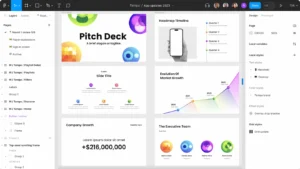
Simply put, Figma is a design tool that lets you build and share user interface designs in your browser. You use it to design the screens, buttons, and flows of apps, websites, and digital products. Furthermore, Figma is not just a drawing tool. It is a full team tool. You can share files, leave comments, show a prototype, and hand off specs to developers all in one place.
Indeed, Figma has become the standard design tool for most Nigerian product teams. Indeed, fintech firms like Flutterwave and Paystack use it. Nigerian e-commerce brands use it. Abuja-based government digital projects use it. In short, if you want to be a UI/UX designer in Nigeria, Figma is the tool you must know well. Furthermore, it is free to start with. There is no cost barrier to getting your first project done.
What Jobs Can You Get With Figma Skills in Abuja?
In fact, strong Figma skills open many doors in the Abuja and Nigerian tech job market. Here are the most common roles:
- Also, UI/UX designer: Designs the look, feel, and flow of apps and websites, one of the most in-demand roles in Nigerian tech
- Furthermore, product designer: Works across the full product lifecycle from user research to final UI at Nigerian startups and tech firms
- Additionally, a web designer creates web page layouts and visual designs using Figma before handing off to developers
- Moreover, design team lead: Manages a team of designers, sets standards, reviews work, and owns the design system for a product
- Also, freelance UI/UX designer: Takes on Figma design projects for clients in Nigeria and globally, a top way to earn in dollars
- Finally, design researcher: Uses Figma prototypes to test ideas with real users before the product is built a fast-growing role in Nigerian fintech and health tech
Abuja Data School: The Home of Figma Training in Abuja, Nigeria
When Abuja learners search for the best Figma training in the FCT, Abuja Data School leads every other option. It is Abuja’s most trusted tech training centre, and its Figma and UI/UX design programme is built for Nigerian learners from the ground up. Unlike generic online courses, Abuja Data School teaches you to design for Nigerian users. Think Nigerian banking apps, e-commerce flows, and real Abuja digital product case studies.
Furthermore, Abuja Data School was built on one belief: every Nigerian creative worker deserves world-class design training. It must be low-cost, hands-on, and tied to real career results. To that end, the Figma programme takes you from zero design knowledge to a job-ready UI/UX designer on a clear path. As a result, Abuja Data School Figma graduates work as UI designers, product designers, and freelance design leads for Nigerian firms and global clients.
What Makes Abuja Data School the Best Place to Learn Figma in Abuja?
Next, here is what sets Abuja Data School apart from every other Figma training option in Abuja:
- Also, Nigerian product context: All design tasks use Nigerian app scenarios, fintech flows, e-commerce checkouts, and government service UIs
- Furthermore, live design sessions: Every class is a hands-on Figma session where you design real screens, build real prototypes, and get real feedback
- Additionally, small cohorts: Class sizes are kept small so every learner gets direct mentor time and personal feedback on their design work
- Moreover, flexible study: Courses run both in-person in Abuja and as live online sessions, so you can study while keeping your job
- Also, portfolio focus: Every module produces a portfolio piece you can show to employers or clients, and you graduate with a strong design portfolio
- Finally, career support: Every graduate gets CV review, LinkedIn coaching, portfolio feedback, mock interviews, and referrals to Abuja Data School’s employer network
Figma and UI/UX Courses at Abuja Data School: What You Can Study
Abuja Data School offers a full set of Figma and UI/UX design courses for learners at every level. Here is what is open in 2026:
| Course | Key Skills | Duration | Level |
| Figma Foundations | Interface, frames, components, auto layout | 4 weeks | Beginner |
| UI Design with Figma | Colour, type, grids, screen design, icons | 6 weeks | Beginner–Mid |
| UX Design and Research | User flows, wireframes, usability testing | 8 weeks | Beginner–Mid |
| Figma Prototyping | Interactions, animations, hand-off to dev | 4 weeks | Intermediate |
| Design Systems in Figma | Component libraries, tokens, style guides | 6 weeks | Intermediate |
| Product Design for Nigeria | End-to-end product design, Nigerian UX | 8 weeks | Intermediate |
| Full UI/UX Designer Path | All tracks above complete career path | 5 months | Beginner |
What You Learn in Figma Training at Abuja Data School
Abuja Data School’s Figma programme builds your skills in clear layers. Each layer adds real design power and gets you closer to the job market. Here is what you cover:
Layer 1: Figma Foundations
First, you learn how Figma works from the ground up. Specifically, you set up your workspace, learn the interface, and build your first frames. You learn how to create shapes, use grids, and work with layers. In addition, you learn how to build reusable components, the building blocks of any large design system. Furthermore, Abuja Data School uses Nigerian app examples in every lesson, so you always practise in a context that feels real and relevant. As a result, you finish the first layer, able to open Figma and start designing right away.
Layer 2: UI Design Screens, Colour, and Type
Next, you learn the core rules of good UI design. Specifically, you study colour theory, typography, spacing, and grid systems, the four pillars of any clean, professional screen design. You design real app screens: a Nigerian mobile banking home page, an e-commerce product page, and a food delivery order flow. Furthermore, Abuja Data School’s design review sessions give you honest, direct feedback on your work from day one. As a result, your designs improve fast, and you develop the eye of a trained designer.
Layer 3: UX Design User Flows and Wireframes
In addition, you learn to think like a UX designer. You learn not just how to make things look good, but how to make them easy and clear to use. Specifically, you learn to map user journeys, draw wireframes, and run simple usability tests. You apply these skills to real Nigerian problems. For example, you design for a first-time user in Abuja opening a mobile banking app. Furthermore, Abuja Data School’s UX module shows you how to present your design thinking clearly. Employers and clients can then see the reasoning behind every screen.
Layer 4: Prototyping and Developer Hand-Off
Moreover, you learn how to turn your static screens into live, clickable prototypes in Figma. Specifically, you add interactions, set up flows, and create animations that show how the product feels. In addition, you learn how to prepare a hand-off file for developers with clear specs, exported assets, and well-named components. Furthermore, Abuja Data School’s prototyping module teaches you how to present a prototype to a client in a way that gets buy-in fast. As a result, you leave this layer with skills that cover the full design-to-developer bridge.
Layer 5: Design Systems and Portfolio Building
Finally, Abuja Data School teaches you how to build and manage a design system in Figma. Specifically, you create a full component library with colour tokens, text styles, and reusable UI parts. Indeed, this is the skill that separates mid-level designers from senior ones. In addition, the final module is a portfolio project. You design a full Nigerian digital product from brief to final prototype. As a result, you graduate with a strong portfolio piece that shows employers exactly what you can do as a Figma designer.
External Resource: Learn More About Figma for Free
Specifically, Figma offers its own free learning resources at Figma’s official learning centre. It includes tutorials, best practice guides, and design tips from the Figma team. It is a strong free supplement to use alongside your Abuja Data School training, especially for reviewing specific Figma features between classes.
Furthermore, using Figma’s own guides alongside your Abuja Data School programme helps you build a habit of self-directed learning. This is one of the key traits that distinguishes strong Nigerian designers in the job market. In short, Abuja Data School gives you structured training in the Nigerian context. Figma’s own resources give you the depth and the detail.
Who Hires Figma Designers in Abuja and Nigeria?
Furthermore, Abuja Data School Figma graduates are finding roles across every key sector in Nigeria. Here is where the demand is strongest:
- Also, fintech firms: Flutterwave, Paystack, Kuda, Moniepoint, and Abuja-based fintech startups hire Figma designers to design their apps and digital products
- Furthermore, e-commerce and retail brands: Jumia and Nigerian DTC brands hire Figma designers to build product pages, checkout flows, and mobile shopping experiences
- Additionally, health tech and agritech startups: Fast-growing Nigerian startups need Figma designers to make complex data and health tools simple and easy to use
- Moreover, consulting and digital agencies: Abuja-based digital agencies hire Figma designers to work on client websites, apps, and brand identity projects
- Also, government digital services: FCT agencies and federal digital projects hire UI/UX designers to make public-facing services clearer and more useful for Nigerian citizens
- Finally, remote global clients: Abuja Data School Figma graduates win remote design work with UK, US, and EU firms. They earn in dollars on Upwork and Toptal
How to Start Figma Training at Abuja Data School: 4 Steps
Step 1: Choose Your Figma Course
First, visit Abuja Data School and look at the full design course list. If you are new to design, start with Figma Foundations, the four-week beginner course, which gives you a solid base fast. If you already have some design experience, go straight to the UI Design or UX Research tracks. Furthermore, Abuja Data School’s admissions team will help you pick the right starting point for your level and goals at no charge.
Step 2: Apply in Under 15 Minutes
Next, apply online or in person at the Abuja Data School office. The sign-up process is simple and takes less than 15 minutes. There are no entry tests. Abuja Data School welcomes learners from all backgrounds. In addition, once your place is set, you get access to pre-course reading and the Abuja Data School student group. You can start connecting with your cohort before the first class begins.
Step 3: Design in Live Sessions and Build Your Portfolio
In addition, every Abuja Data School Figma session is a live design class. You open Figma in every class and design real screens. Your instructor reviews your work and gives direct feedback on layout, colour, and flow. Furthermore, every module produces a portfolio piece you can show to employers and clients. As a result, by the time you finish the course, you have a strong design portfolio, real proof of your skills, not just a cert.
Step 4: Get Hired or Win Clients With Career Support
Finally, Abuja Data School career support begins when your course ends. Every Figma graduate gets portfolio review, CV coaching, LinkedIn help, and direct referrals to Abuja Data School’s employer and client network. Moreover, Abuja Data School runs hiring events. Design graduates meet recruiters and founders from across the FCT. As a result, many Abuja Data School Figma graduates land their first design role or first freelance client within 60 days of finishing the course.
Frequently Asked Questions (FAQs)
Q1: So, Do I Need Any Design or Tech Background to Join Abuja Data School’s Figma Training?
No, you do not need any prior design or tech background for the beginner Figma Foundations course. Abuja Data School accepts learners from all walks of life. Specifically, the course starts from the very basics of how to open Figma, how to create a frame, and how to think about design. Furthermore, many of Abuja Data School’s best Figma graduates came in with no design experience at all from accounting, law, and teaching backgrounds. In short, if you can use a laptop and are ready to learn, Abuja Data School can take you from zero to job-ready Figma designer.
Q2: Furthermore, Is Figma Free to Use for Training?
Yes, Figma has a free plan that works well for learning and building your portfolio. Specifically, the free plan gives you three active design files, full access to all core Figma features, and the ability to share and present prototypes. Furthermore, Abuja Data School’s training is fully compatible with the Figma free plan. You do not need to pay for Figma to complete any course module. In addition, if you go pro, Figma’s paid plans start at around $15 per month. That is a small cost compared to the income your design skills will generate.
Q3: Also, How Long Does Figma Training Take at Abuja Data School?
Specifically, the Figma Foundations course takes four weeks. The UI Design course takes six weeks. The full UI/UX Designer Path, which covers all design tracks, takes five months part-time. Furthermore, all Abuja Data School courses run on evenings and weekends. You can keep your current job while you learn. In addition, session recordings are available after every class so you can catch up or review anything at your own pace.
Q4: Additionally, How Much Does Figma Training at Abuja Data School Cost?
Abuja Data School offers some of the most competitive fees for Figma training in Abuja. Specifically, individual courses start from N80,000. The full five-month UI/UX Designer Path is priced to be reachable for working Nigerians. Furthermore, Abuja Data School offers flexible payment plans that you can spread the cost over two to three months with no added fees. In addition, the school runs scholarship slots for learners who show strong drive but need financial help. So, cost should never stop you from starting your design career.
Q5: Finally, Can I Get a Remote Figma Design Job From Nigeria After Abuja Data School?
Yes, and this is one of the biggest reasons Nigerian creatives choose Abuja Data School. Specifically, design is one of the most remote-friendly careers in tech. You design screens, build prototypes, and share files online, tasks that work just as well from Abuja as from New York. Furthermore, Abuja Data School’s portfolio module helps you build a case study-style portfolio that remote design employers want to see. As a result, many Abuja Data School Figma graduates now earn $2k to $5k per month from remote design roles and freelance contracts.
Conclusion: Start Your Figma Career at Abuja Data School Today
Ultimately, Figma training in Abuja, Nigeria, has never been more valuable or more within reach than it is in 2026. Nigerian tech firms need trained Figma designers. The salaries are strong. The tool is free. And Abuja Data School has built the clearest, most practical path from design beginner to job-ready Figma designer in the FCT. Whether you want to design apps for Nigerian fintech or win a remote role in dollars, Abuja Data School has what you need.
Your Next Step
To that end, do not wait for the perfect moment. Above all, the Nigerian designers now earning N600k to N1.2m per month in UI/UX roles got there by starting, not waiting. So, visit Abuja Data School today, pick your Figma course, and apply. As a result, your first screen design, your first client, and your first design role are just one enrolment at Abuja Data School away.